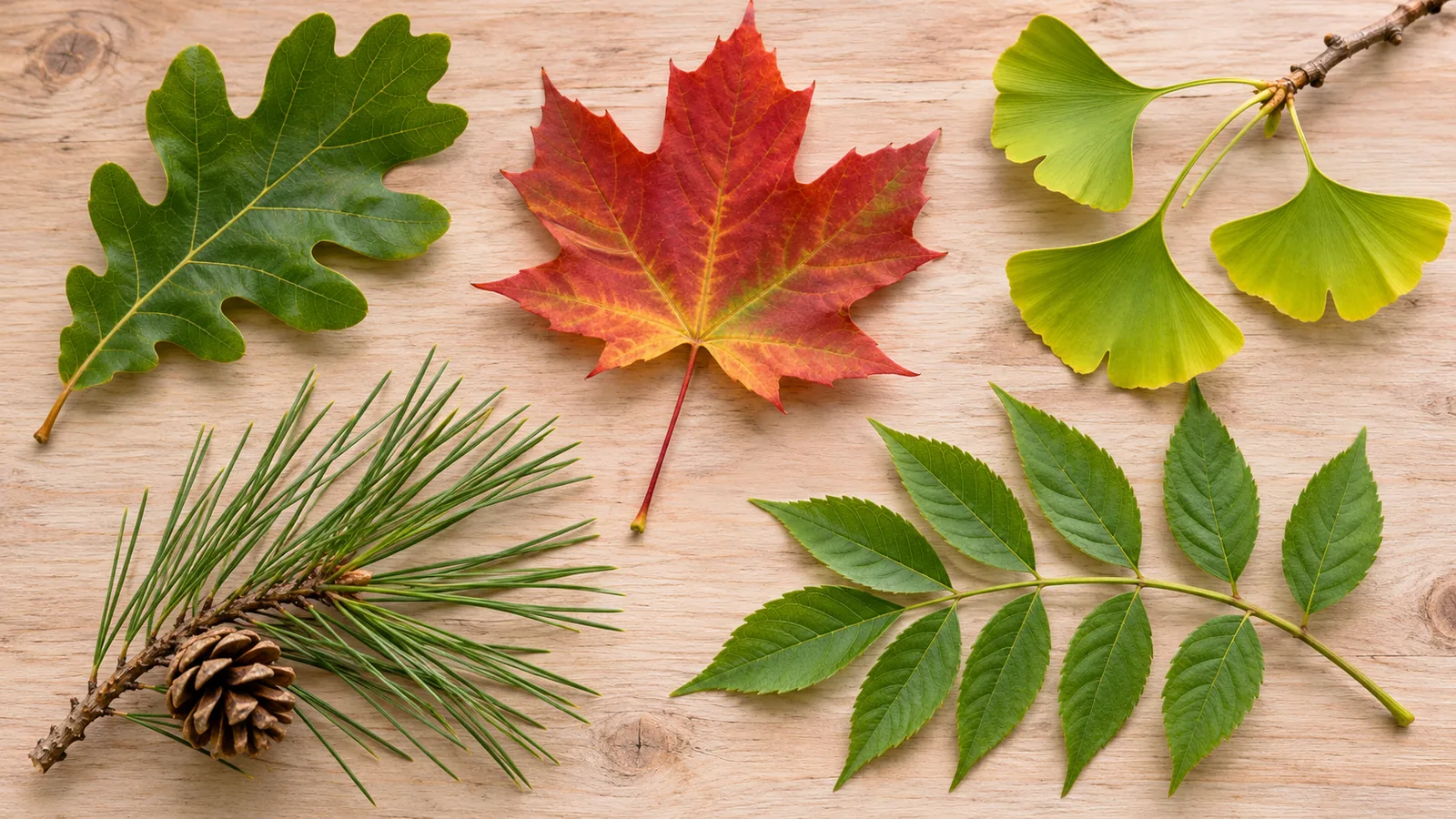
A leaf is a strong first clue, but a tree is more than a leaf. Start by noting whether the leaf is a single blade or several leaflets, then where it attaches to the twig.
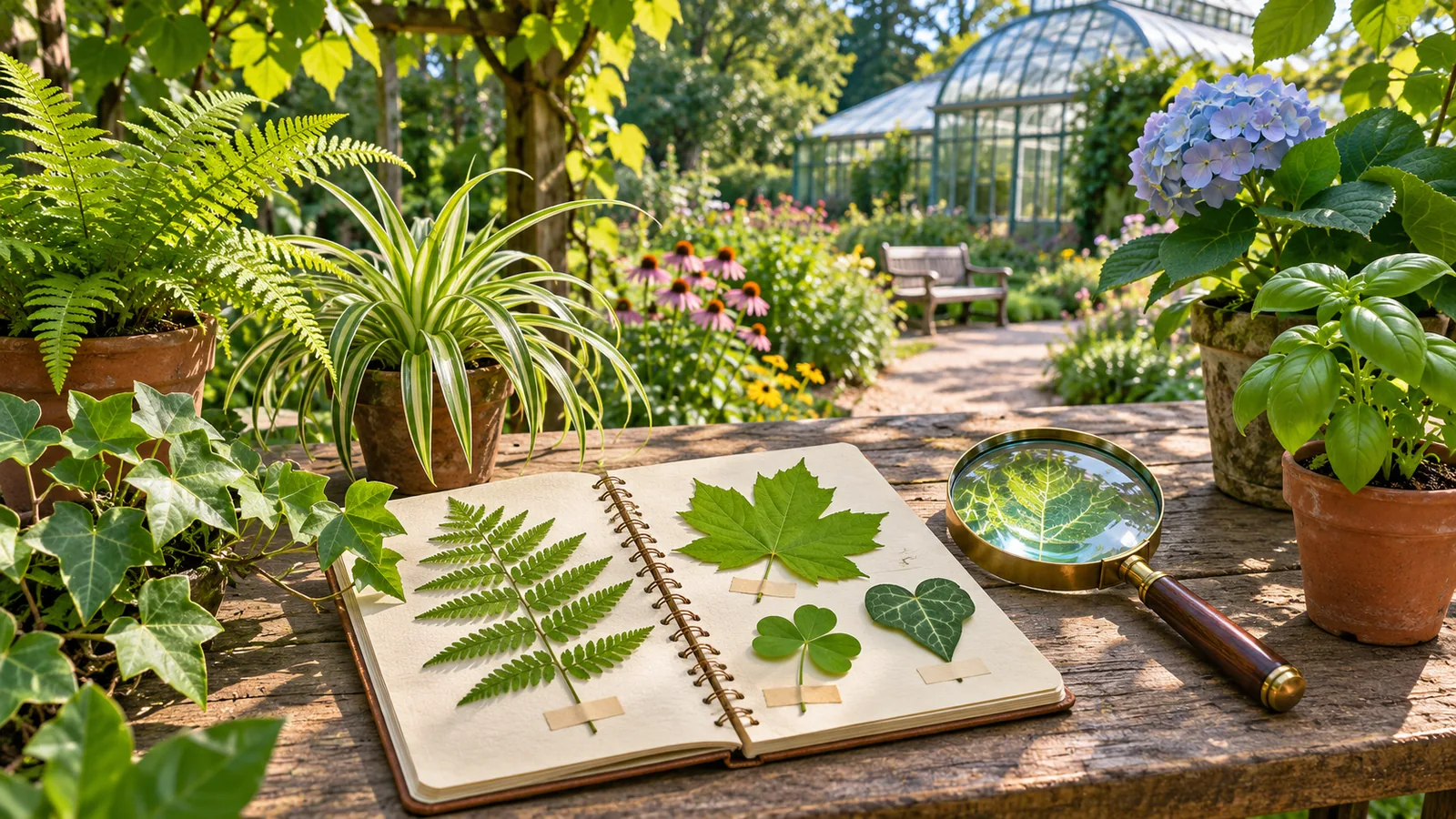
Kew's tree identification material encourages comparing leaf shapes with bark, seeds and flowers. That broader view matters when two trees share a similar outline.
Decide whether the leaf is simple or compound
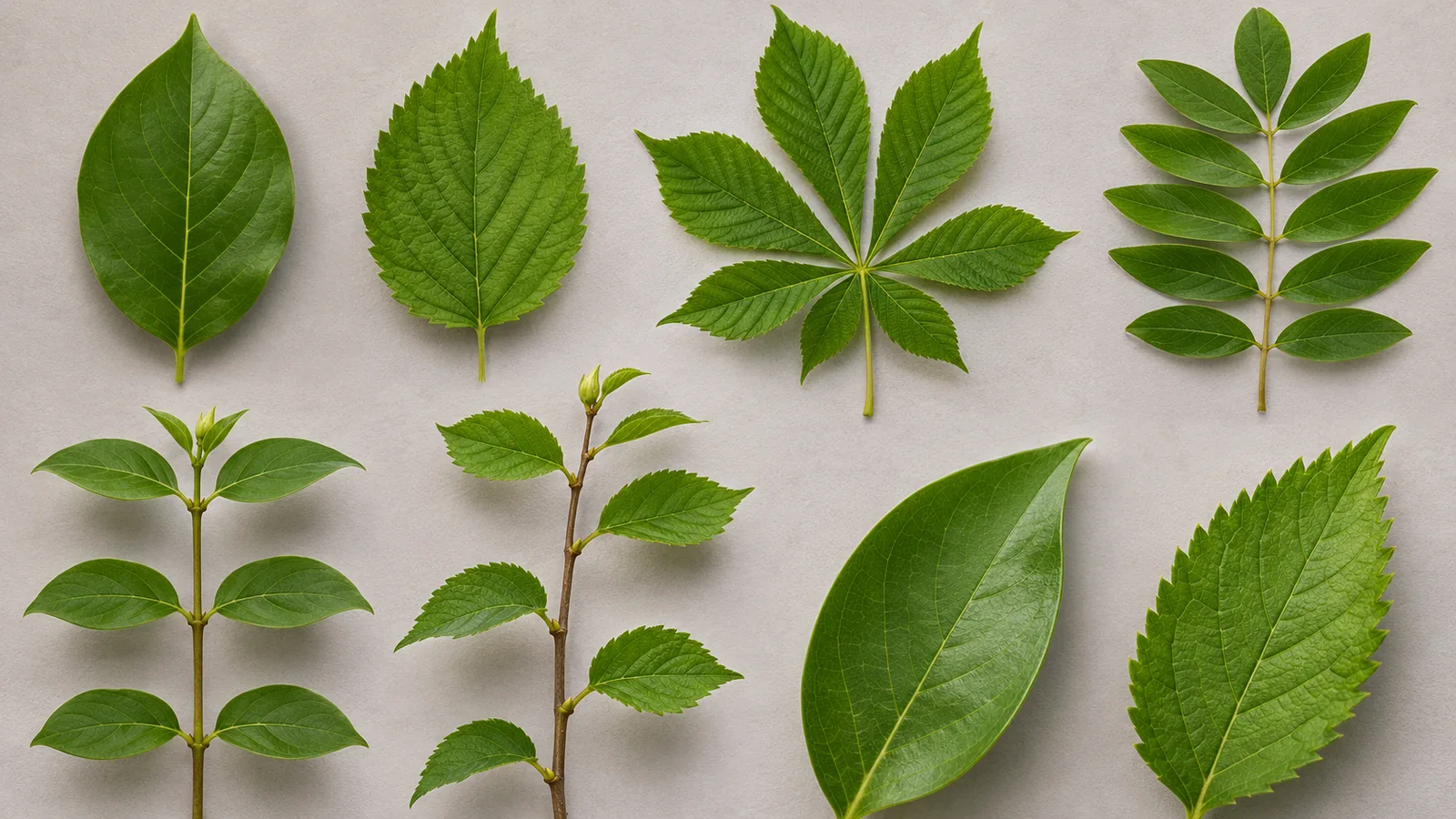
A simple leaf has one blade, even if that blade is deeply lobed. A compound leaf is divided into distinct leaflets on a common stalk. This is why a maple leaf can have several lobes and still be simple, while an ash leaf is often compound.
Look for the bud at the base of the whole leaf stalk; individual leaflets generally do not have a bud there.
Read the twig, not just the blade
Opposite leaves occur in pairs at a node; alternate leaves appear one at a time along the twig. That pattern can narrow possibilities before you examine the margin.
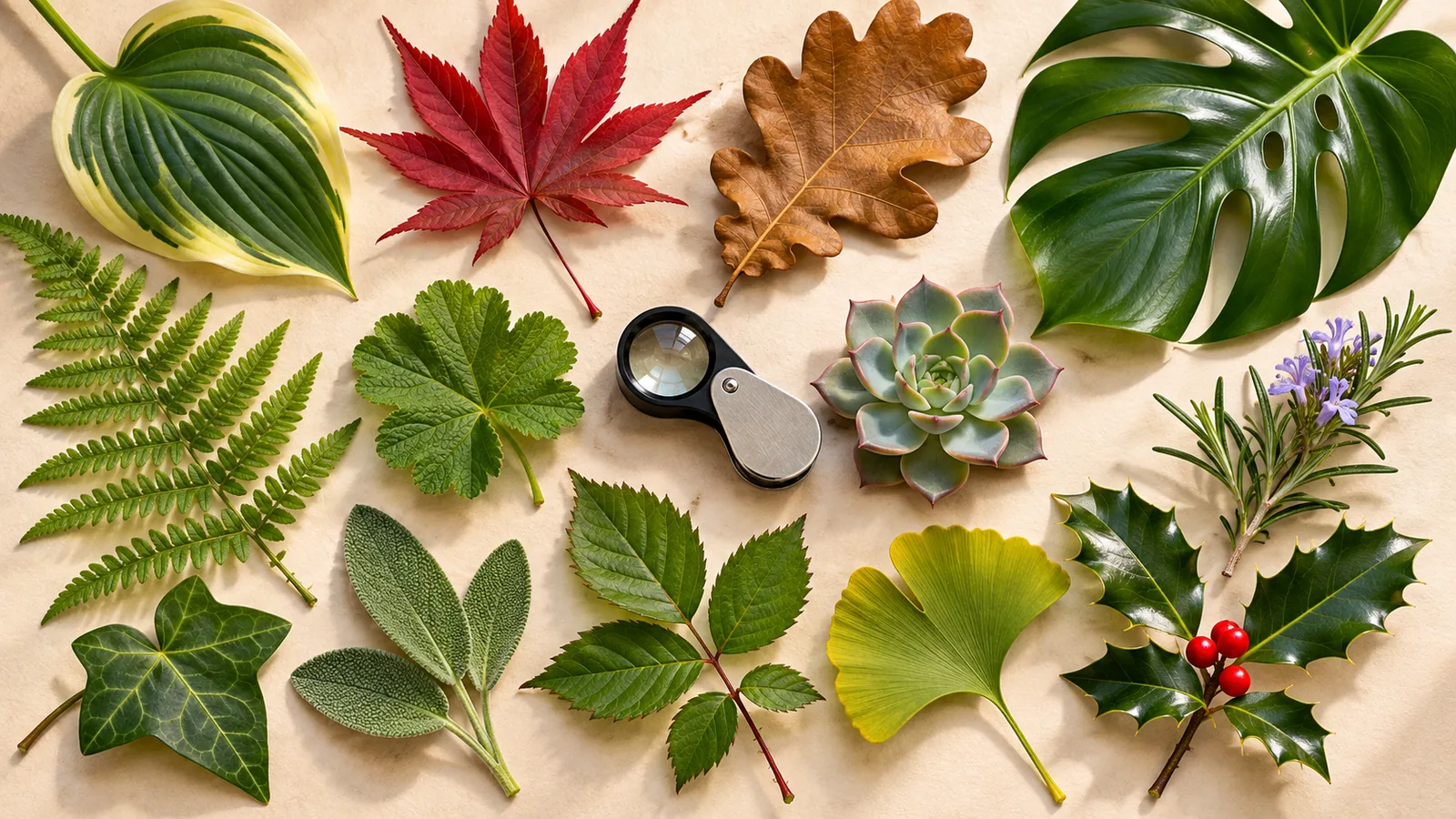
Leaf margins may be smooth, toothed or lobed. Some oaks have rounded lobes, some have pointed lobes, and some have nearly unlobed leaves; the word 'oak' covers many species.
Confirm with another season's clue
Acorns support an oak identification; paired winged seeds support many maples; a ginkgo leaf is fan-shaped. Bark, buds and fruit help when leaves are damaged or absent.
Take several photographs in natural light and note the region. A single leaf that fell from an unknown tree may have traveled from elsewhere.
| First clue | Possible tree | Confirm with |
|---|---|---|
| Fan-shaped simple leaf | Ginkgo | Branch and fruit context |
| Lobed leaf and acorn | Oak | Bud and acorn cup |
| Paired winged seeds | Maple | Leaf arrangement |
| Compound leaves | Ash or others | Buds and bark |
Read the leaf
0 / 4 answered
1Is a lobed maple leaf simple or compound?
Answer: Simple. Lobes remain part of one blade.2What fruit supports an oak identification?
Answer: Acorn. Oaks produce acorns.3Which tree is famous for a fan-shaped leaf?
Answer: Ginkgo. Ginkgo leaves have a distinctive fan form.4What helps confirm a leaf-only guess?
Answer: Buds, bark and fruit. Independent features increase identification confidence.
Frequently asked questions
Can I identify a tree in winter?
Often yes. Bud arrangement, bark, branching, fruit and old leaves can provide clues when fresh leaves are absent.
Use a sequence
Simple or compound, opposite or alternate, margin and shape, then buds or fruit. Record the clues instead of jumping to a name.
Check the evidence behind the guide
Use these references to check terminology and pursue a topic in more depth. Photo quizzes help you practise observation; a single picture rarely proves a difficult identification.
When a source describes a broad group, compare its details with the exact species, model or specimen you are studying. Record the feature that supports your answer rather than relying on a name alone.