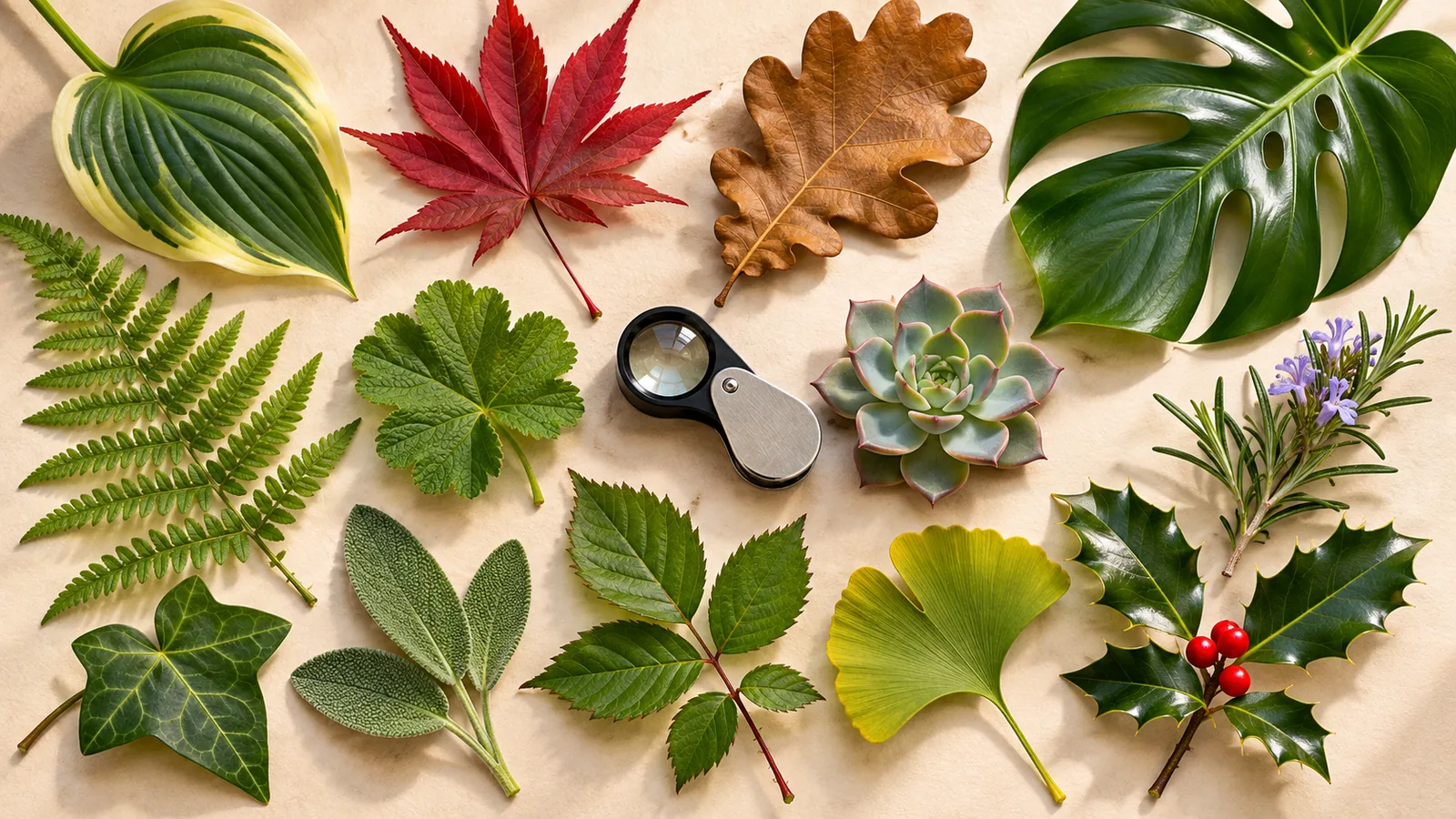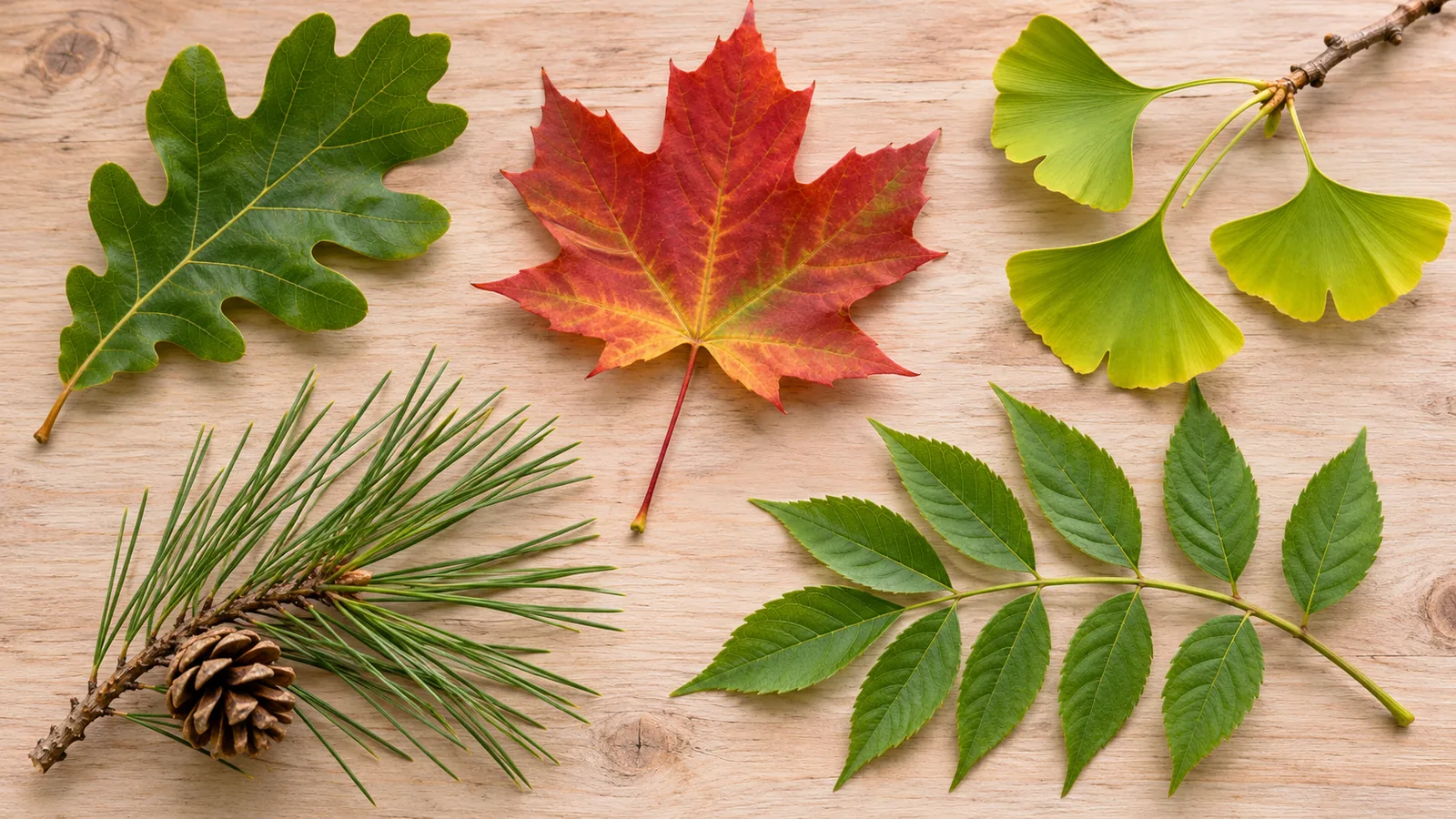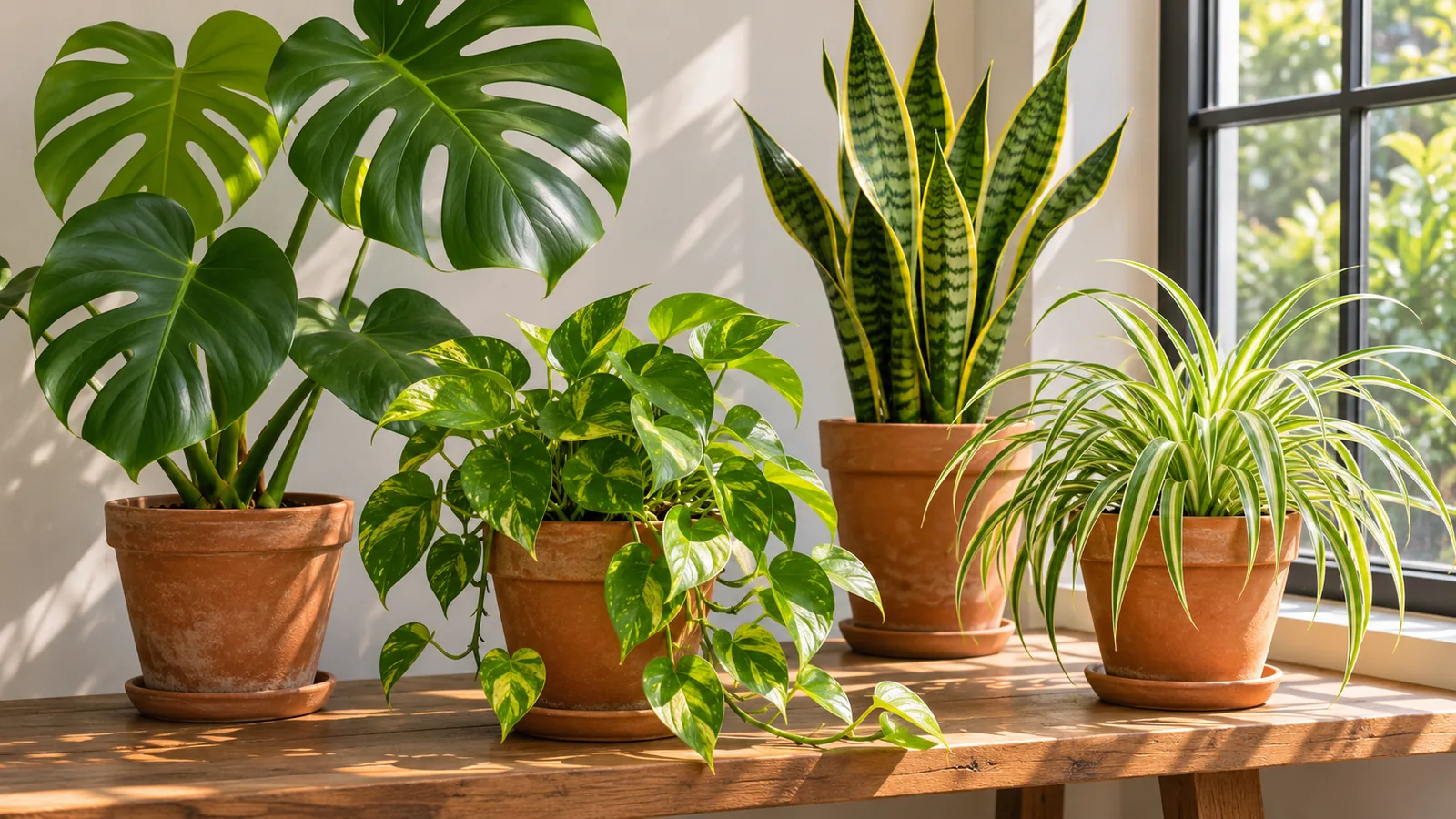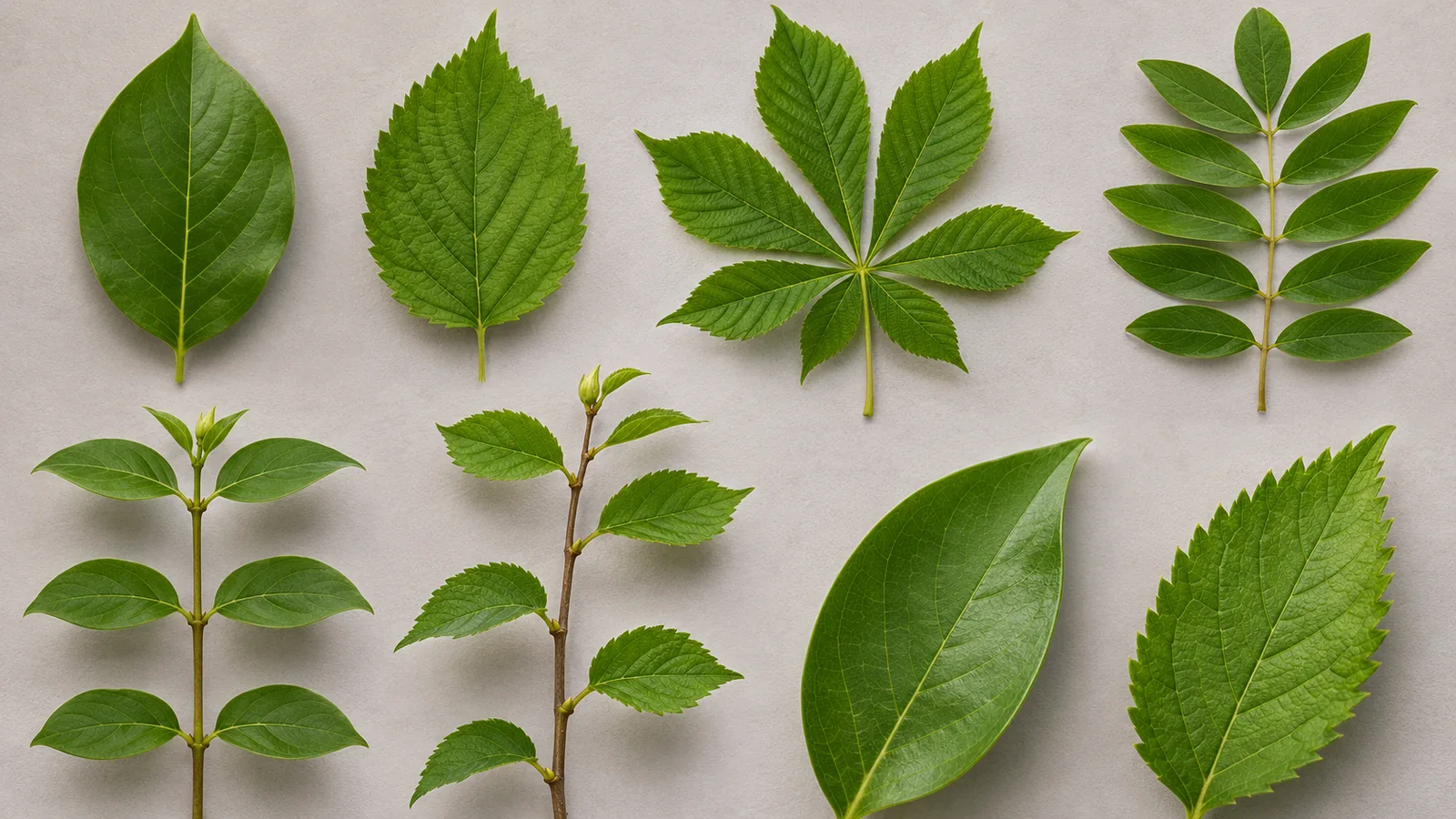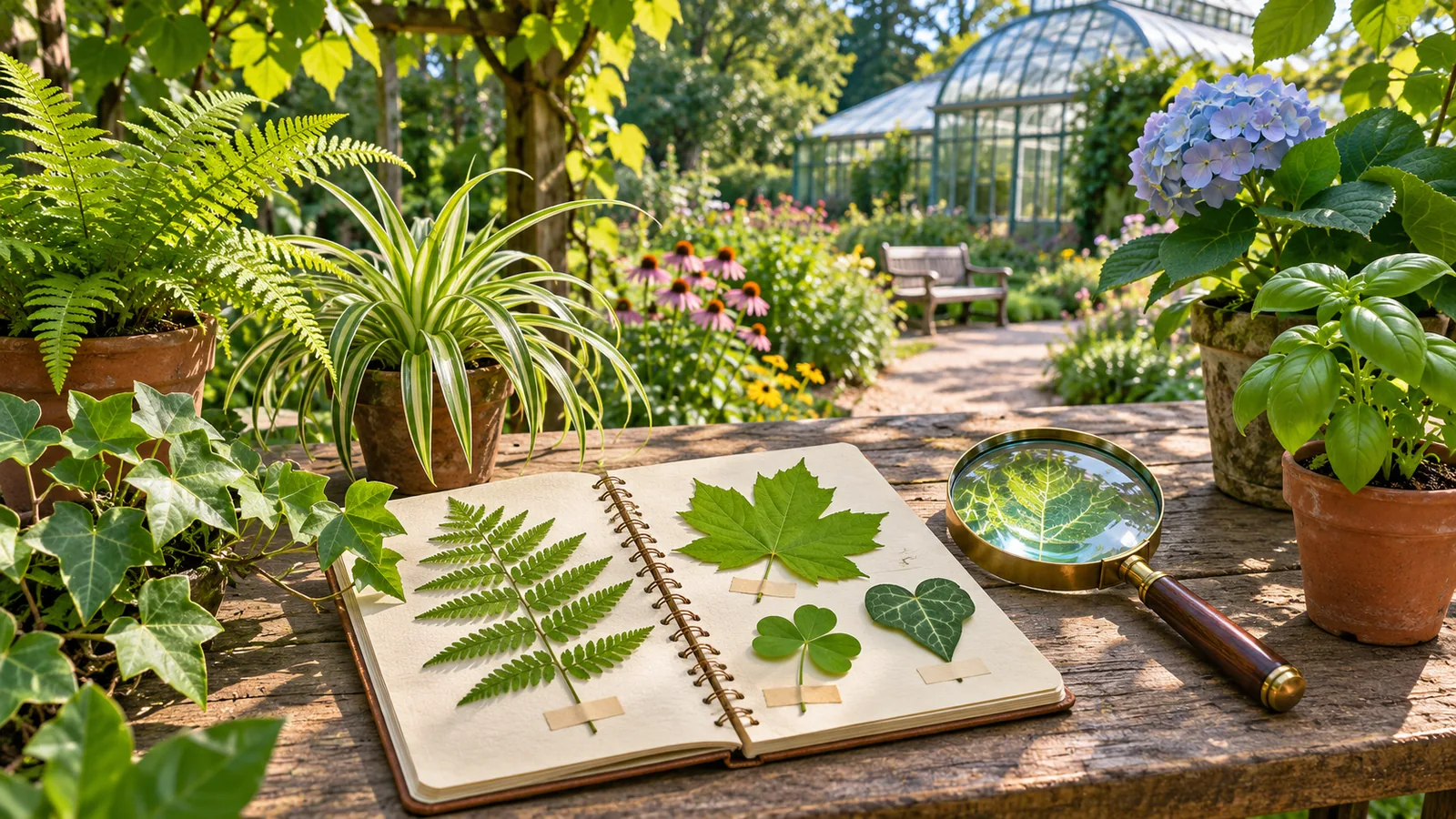
Answering a picture question once is easy to forget. The useful moment comes after the answer, when you identify the clue you missed and look for it in a second image.
This method works with Plants Quiz or any reliable photo collection. Use it for learning, not for deciding whether a wild plant is safe to eat or use.
First pass: describe before naming
Look at the whole plant: tree, shrub, vine, herb or succulent? Then inspect a leaf, flower, fruit or cone. Write two visible traits before choosing an answer. That short pause stops a familiar color from taking over the decision.
If a photo is cropped so tightly that growth habit is hidden, note the missing evidence. A quiz answer may still be possible, but your confidence should be lower.
Turn feedback into a contrast
After seeing the correct answer, write one sentence that distinguishes it from the option you chose: 'Ginkgo has fan-shaped leaves; maple leaves are lobed.' A contrast is easier to retrieve than an isolated label.
Use a second photo of the same species from another angle. If you can identify only the original image, you may have memorized the photograph rather than the plant.
Review a small mixed set
Return to a few missed species after a day or two. Mix them with older examples so you must choose between similar candidates. Keep a short error log with the species, mistaken option and deciding clue.
When a question depends on fine details, compare a regional botanical source. Cultivars, seasons and juvenile growth can alter appearance, so an app result is a practice prompt, not a final authority.
| Step | Action | Result |
|---|---|---|
| Observe | Name two visible traits | A reasoned first guess |
| Contrast | Compare with missed option | A memorable difference |
| Transfer | Use a new photograph | Recognition beyond one image |
| Review | Revisit mixed examples | Longer retention |
Practice the method
0 / 4 answered
1What should you do before choosing a plant name?
Answer: Describe visible traits. A short description makes the decision checkable.2Why use a second photo of the same plant?
Answer: Test transfer beyond one image. Recognizing new views is stronger than remembering one picture.3What belongs in an error log?
Answer: Mistaken option and deciding clue. The deciding clue tells you what to look for next time.4Can a quiz identify a wild plant as safe to eat?
Answer: No. Lookalikes can be dangerous; specialist confirmation is needed.
Frequently asked questions
How many plants should I learn at once?
Start with a small group you can contrast clearly. Add more when you can recognize earlier species from different photographs.
Make every miss useful
Write the clue you missed, find another view and retry it later among similar plants.
Check the evidence behind the guide
Use these references to check terminology and pursue a topic in more depth. Photo quizzes help you practise observation; a single picture rarely proves a difficult identification.
When a source describes a broad group, compare its details with the exact species, model or specimen you are studying. Record the feature that supports your answer rather than relying on a name alone.