Memorising a long list of dates rarely works. Dates stick when they are connected to each other and to a story.
The techniques below work for school exams, competitive exams and quiz apps alike. Combine two or three of them for the best results.
Start with anchor dates
Learn a small set of dates very well, then place everything else relative to them. Good anchors include 1492, 1776, 1789, 1914, 1945 and 1989.
When you meet a new event, ask whether it came before or after the nearest anchor and by roughly how much. Over time the gaps fill in.
Link causes and results
Events are easier to remember as chains. The Treaty of Versailles (1919) follows World War I (1914–1918) and feeds into tensions before World War II (1939). Once you see the chain, the order becomes logical rather than arbitrary.
Draw your own timeline on one page, with centuries spaced evenly. Seeing events side by side shows which ones overlapped, such as the American and French revolutions.
Mnemonics and spaced practice
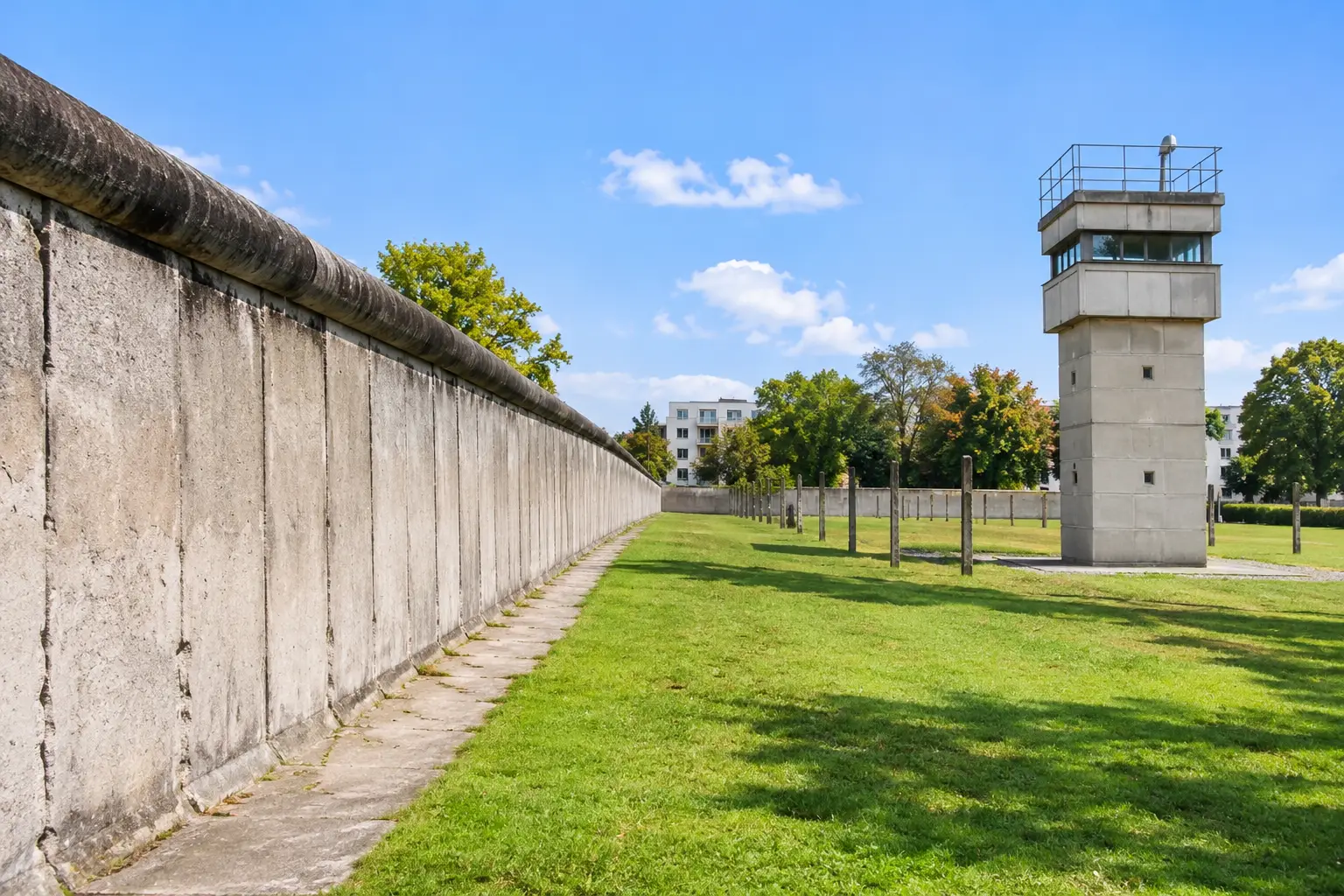
Short rhymes and patterns help with stubborn dates. 'In 1492 Columbus sailed the ocean blue' is a classic example. Number patterns help too: the Cuban Missile Crisis in 1962 came almost exactly a year after the Berlin Wall went up in 1961.
Test yourself rather than just rereading. Quizzes force you to recall the answer, which strengthens memory. Review after a day, then a few days, then a week; this spacing helps facts last.
| Technique | How to use it | Example |
|---|---|---|
| Anchor dates | Learn a few dates very well | 1789: French Revolution |
| Cause and effect | Link events into chains | WWI → Versailles → WWII |
| Timeline | Draw events to scale | Revolutions of 1776 and 1789 |
| Spaced quizzes | Recall after growing gaps | Day 1, day 3, day 7 |
Test the techniques
0 / 4 answered
1What is an anchor date?
Answer: A well-known date used to place other events. Anchors give you fixed points on a mental timeline.2Why is self-testing better than rereading?
Answer: It forces you to recall the answer. Active recall strengthens memory.3What does spaced practice mean?
Answer: Reviewing after gradually longer gaps. Spacing reviews helps facts last longer.4Which pair is a useful cause-and-effect chain?
Answer: World War I and the Treaty of Versailles. The treaty was the peace settlement after World War I.
Frequently asked questions
Do I need to know exact dates?
It depends on the exam. Many questions only need the century or the order of events, but some competitive exams ask for exact years, so check the syllabus.
Connect, then test
Anchor dates and cause-and-effect chains give dates meaning; regular quizzes make them stick.
Check the evidence behind the guide
Use these references to check terminology and pursue a topic in more depth. Photo quizzes help you practise observation; a single picture rarely proves a difficult identification.
Dates and causes are often simplified in summaries. Compare two sources for any event you need to remember, and note where historians still disagree.