The first cities grew up beside great rivers, where farming could feed large populations. Writing, kings, temples and laws followed.
The dates below are approximate. Historians and archaeologists revise them as new evidence emerges, so treat them as guides rather than exact years.
River valley civilisations
Sumer, in southern Mesopotamia between the Tigris and Euphrates, had cities such as Uruk by about 3500 BC. Writing in cuneiform appeared around 3200 BC.
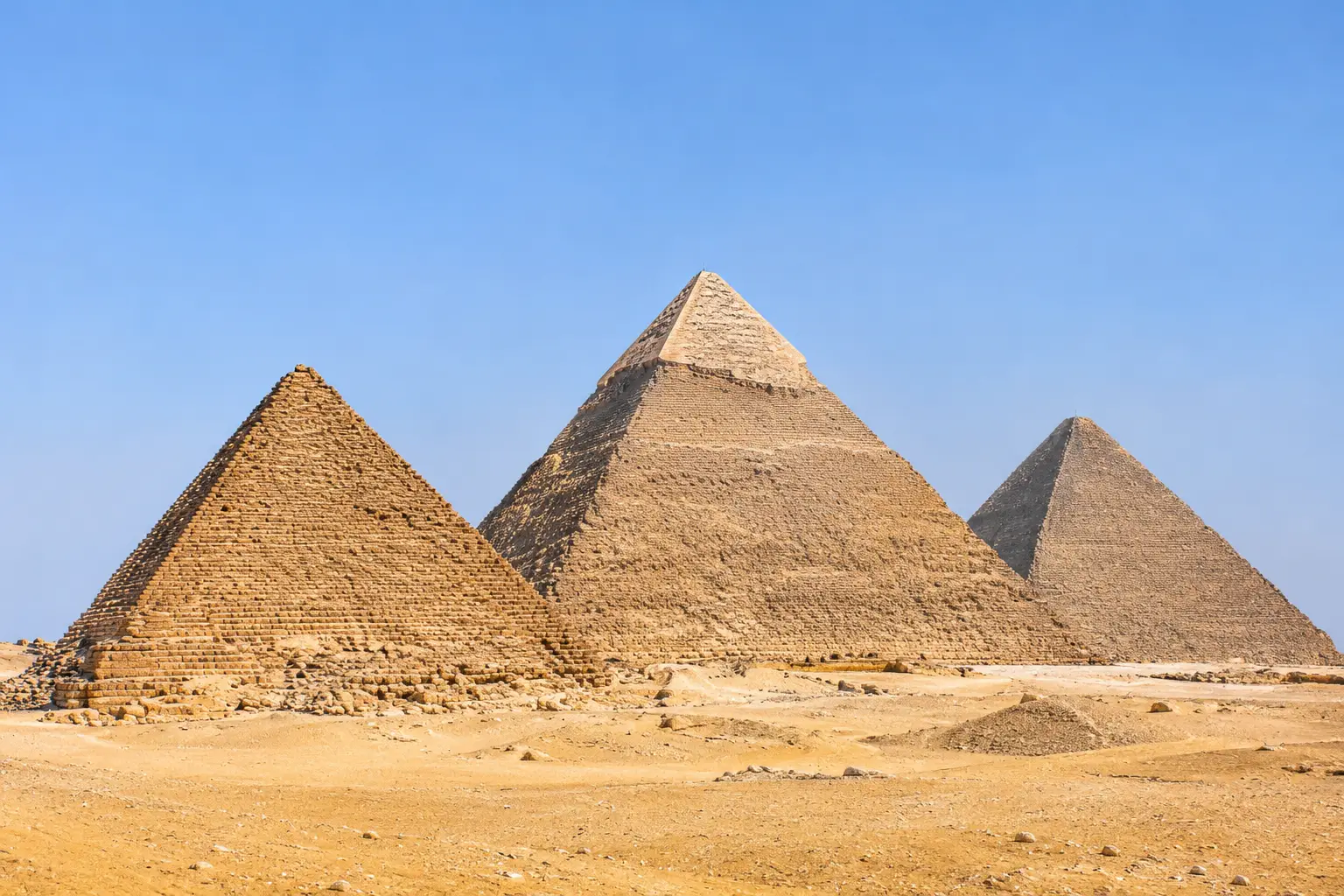
Egypt was unified along the Nile around 3100 BC. The great pyramids of Giza date from about 2600 to 2500 BC. The Indus Valley civilisation, with cities such as Harappa and Mohenjo-daro, flourished from about 2600 to 1900 BC.
China and Greece
In China the Shang dynasty ruled along the Yellow River from about 1600 to 1046 BC. Shang oracle bones carry the earliest known Chinese writing. In 221 BC Qin Shi Huang unified China as its first emperor.
Classical Greece reached its height in the 5th century BC, when Athens developed democracy and built the Parthenon. Alexander the Great later spread Greek culture as far as Egypt and north-west India.
Rome and the Americas
Rome became a republic in 509 BC by tradition and an empire under Augustus in 27 BC. The Western Roman Empire ended in AD 476, while the Eastern, or Byzantine, Empire lasted until 1453.
In the Americas, Maya cities such as Tikal flourished in the Classic period, from about AD 250 to 900. The Maya developed a full writing system and an advanced calendar.
| Civilisation | Region | Approximate peak |
|---|---|---|
| Sumer | Mesopotamia | c. 3500–2000 BC |
| Ancient Egypt | Nile valley | c. 3100–30 BC |
| Indus Valley | Pakistan and north-west India | c. 2600–1900 BC |
| Shang dynasty | Yellow River, China | c. 1600–1046 BC |
| Classical Greece | Greece and Aegean | 5th–4th century BC |
| Rome | Mediterranean | 509 BC–AD 476 (West) |
| Classic Maya | Central America | c. AD 250–900 |
Put them in order
0 / 4 answered
1Which civilisation is the oldest on this list?
Answer: Sumer. Sumerian cities date back to about 3500 BC.2What is the earliest known Chinese writing found on?
Answer: Oracle bones. Shang diviners carved questions on bones and shells.3Who became Rome's first emperor in 27 BC?
Answer: Augustus. Julius Caesar was assassinated in 44 BC; his heir Augustus became emperor.4Which river was ancient Egypt built along?
Answer: The Nile. The Nile's floods made farming possible in the desert.
Frequently asked questions
Why are ancient dates approximate?
Many dates come from archaeology, king lists and radiocarbon dating, which give ranges rather than exact years. Different sources may give slightly different dates.
Rivers first, then empires
Early civilisations grew along the Tigris, Euphrates, Nile, Indus and Yellow rivers. Later empires such as Greece and Rome built on their ideas.
Check the evidence behind the guide
Use these references to check terminology and pursue a topic in more depth. Photo quizzes help you practise observation; a single picture rarely proves a difficult identification.
Dates and causes are often simplified in summaries. Compare two sources for any event you need to remember, and note where historians still disagree.