World War I began in the summer of 1914 and lasted until November 1918. Millions of soldiers and civilians died. Historians still debate how much each country was to blame.
Students often remember the long-term causes with the acronym MAIN: militarism, alliances, imperialism and nationalism. The assassination in Sarajevo was the spark that set them off.
Long-term causes: MAIN
Militarism: the great powers built up large armies, and Britain and Germany raced to build battleships. Alliances: Europe split into two blocs, the Triple Entente of France, Russia and Britain and the Triple Alliance of Germany, Austria-Hungary and Italy.
Imperialism: competition for colonies and influence created rivalry and suspicion. Nationalism: pride in one's nation, and the desire of peoples such as the South Slavs for their own state, created tension, especially in the Balkans.
The spark: Sarajevo
On 28 June 1914, Gavrilo Princip, a young Bosnian Serb nationalist, shot Archduke Franz Ferdinand, heir to the throne of Austria-Hungary, and his wife Sophie in Sarajevo.
Austria-Hungary blamed Serbia and, with German support, issued a harsh ultimatum. The weeks of diplomacy and threats that followed are called the July Crisis.
From local war to world war
Austria-Hungary declared war on Serbia on 28 July 1914. Russia mobilised to support Serbia, and Germany declared war on Russia and then France.
Germany's plan to attack France went through neutral Belgium. Britain had promised to protect Belgian neutrality and declared war on Germany on 4 August 1914. Italy later joined the Allies in 1915, and the United States entered the war in 1917.
| Date | Event |
|---|---|
| 28 June 1914 | Assassination of Franz Ferdinand in Sarajevo |
| 28 July 1914 | Austria-Hungary declares war on Serbia |
| 1 August 1914 | Germany declares war on Russia |
| 4 August 1914 | Britain declares war on Germany |
| 11 November 1918 | Armistice ends the fighting |
Check the causes
0 / 4 answered
1What does the M in the MAIN acronym stand for?
Answer: Militarism. MAIN stands for militarism, alliances, imperialism and nationalism.2Which countries formed the Triple Entente?
Answer: France, Russia and Britain. The Triple Entente faced the Triple Alliance.3Why did Britain declare war on Germany in August 1914?
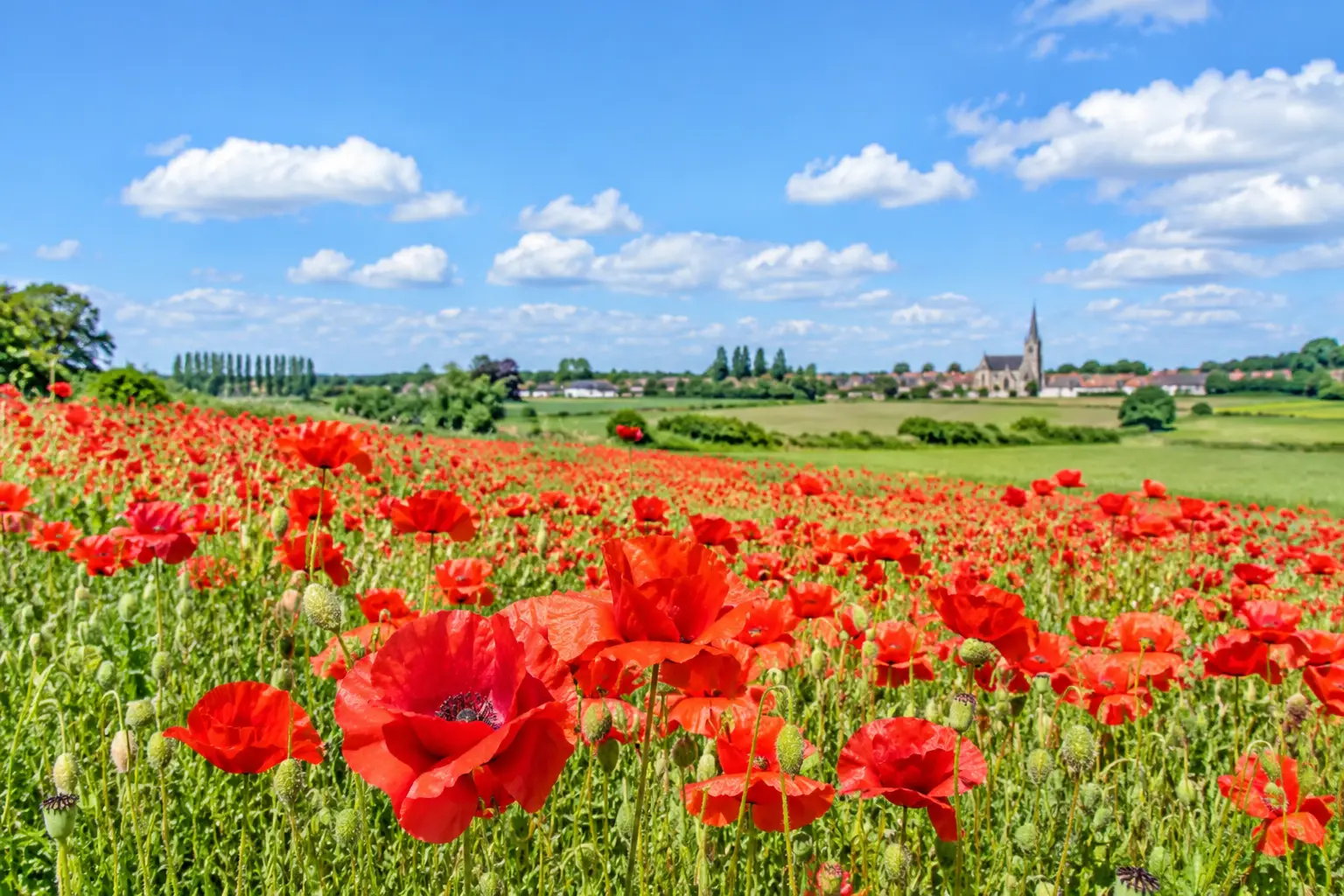
Answer: Germany invaded neutral Belgium. Britain had guaranteed Belgian neutrality.4Why are red poppies linked with World War I?
Answer: They grew on the battlefields of Flanders. John McCrae's poem 'In Flanders Fields' made them a symbol of remembrance.
Frequently asked questions
Was one country to blame for World War I?
Historians disagree. The Treaty of Versailles placed responsibility on Germany and its allies, but many historians now stress the shared decisions and miscalculations of several powers.
Long-term causes, short-term spark
MAIN explains why Europe was ready for war; the Sarajevo assassination and July Crisis explain why it started in 1914.
Check the evidence behind the guide
Use these references to check terminology and pursue a topic in more depth. Photo quizzes help you practise observation; a single picture rarely proves a difficult identification.
Dates and causes are often simplified in summaries. Compare two sources for any event you need to remember, and note where historians still disagree.