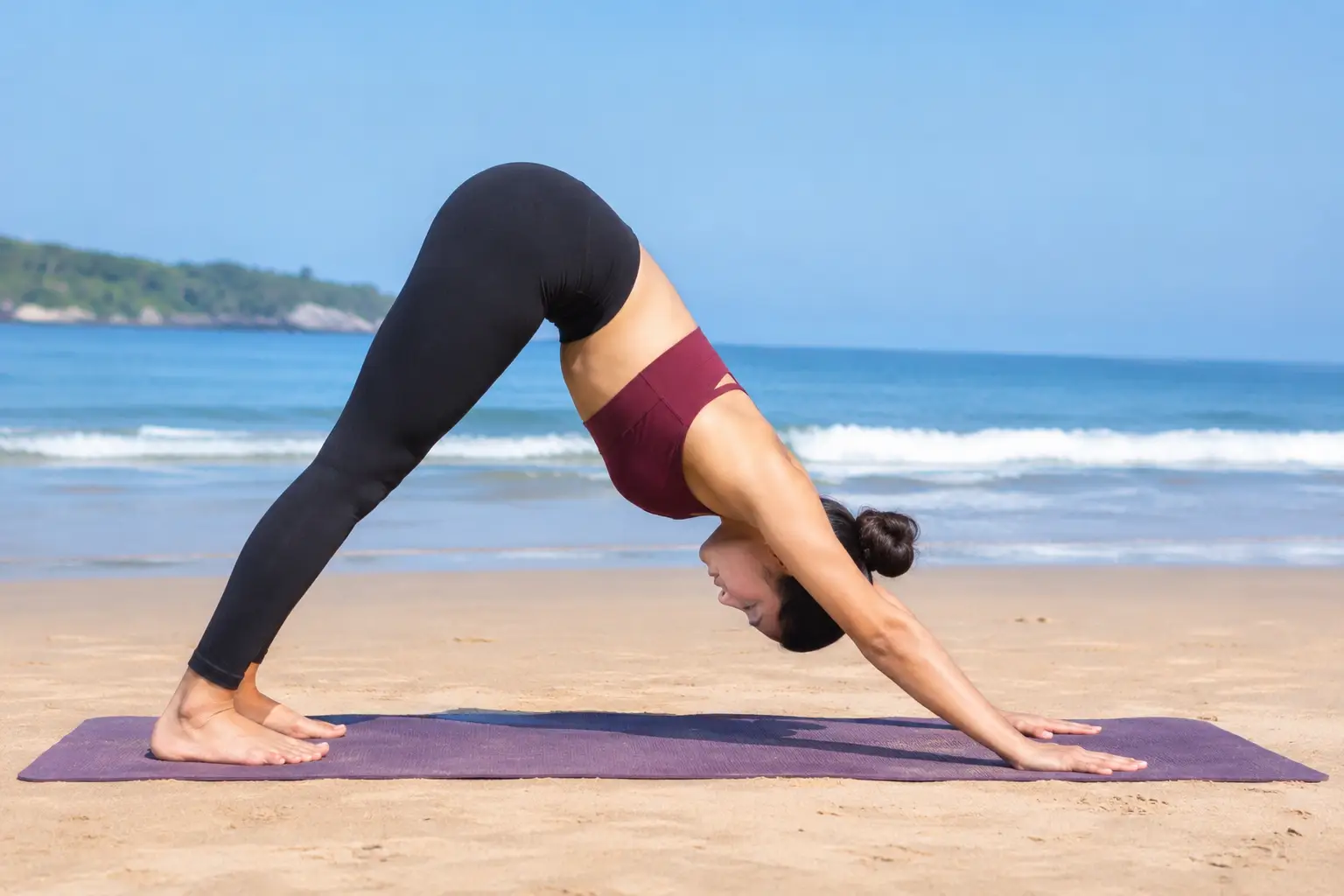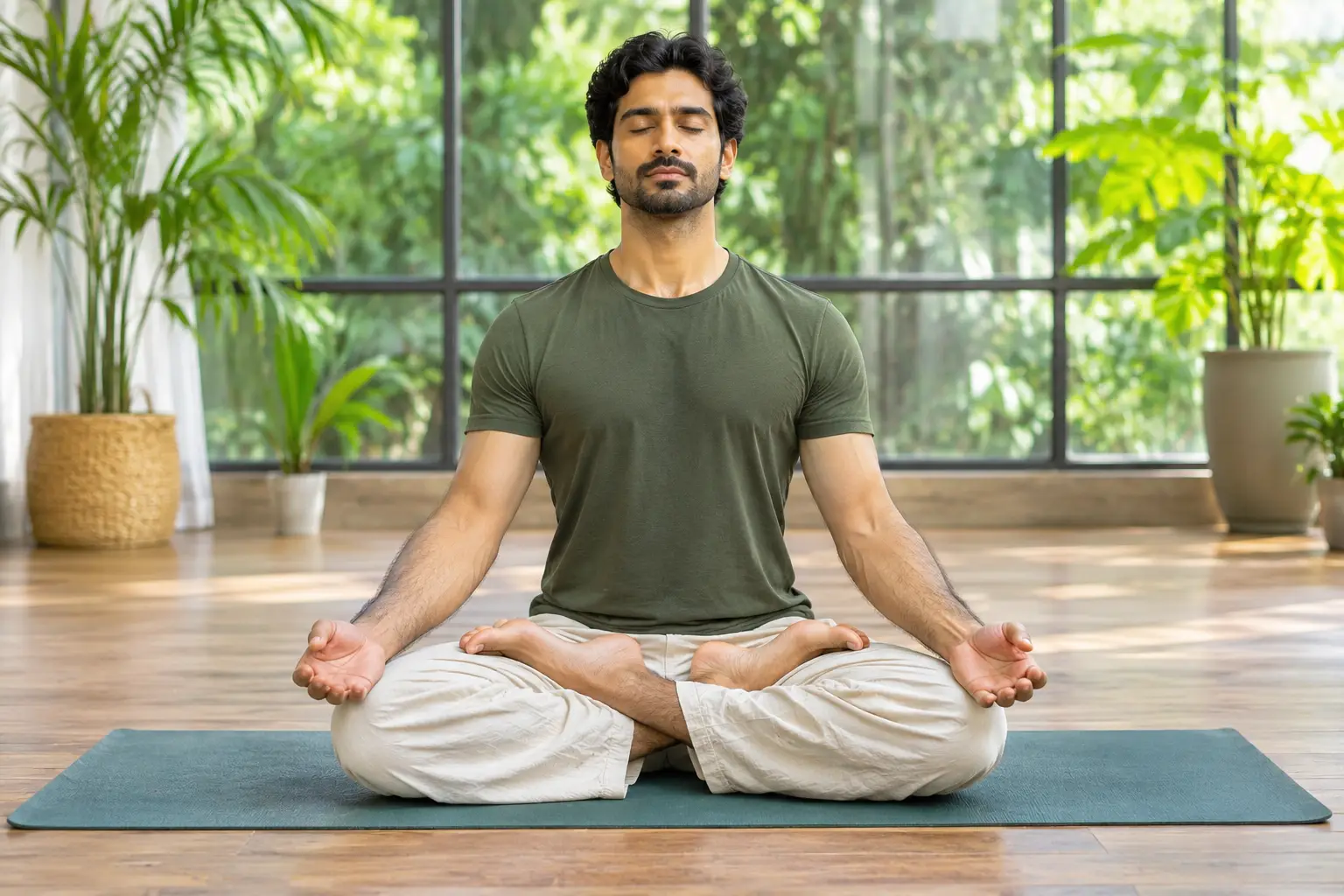
Teachers and books group yoga poses into families based on the shape or direction of the movement. Knowing the families helps you understand why a class is ordered the way it is.
The groups overlap. Tree pose is both a standing pose and a balance, and Bridge pose is both a backbend and a mild inversion.
Standing poses and balances
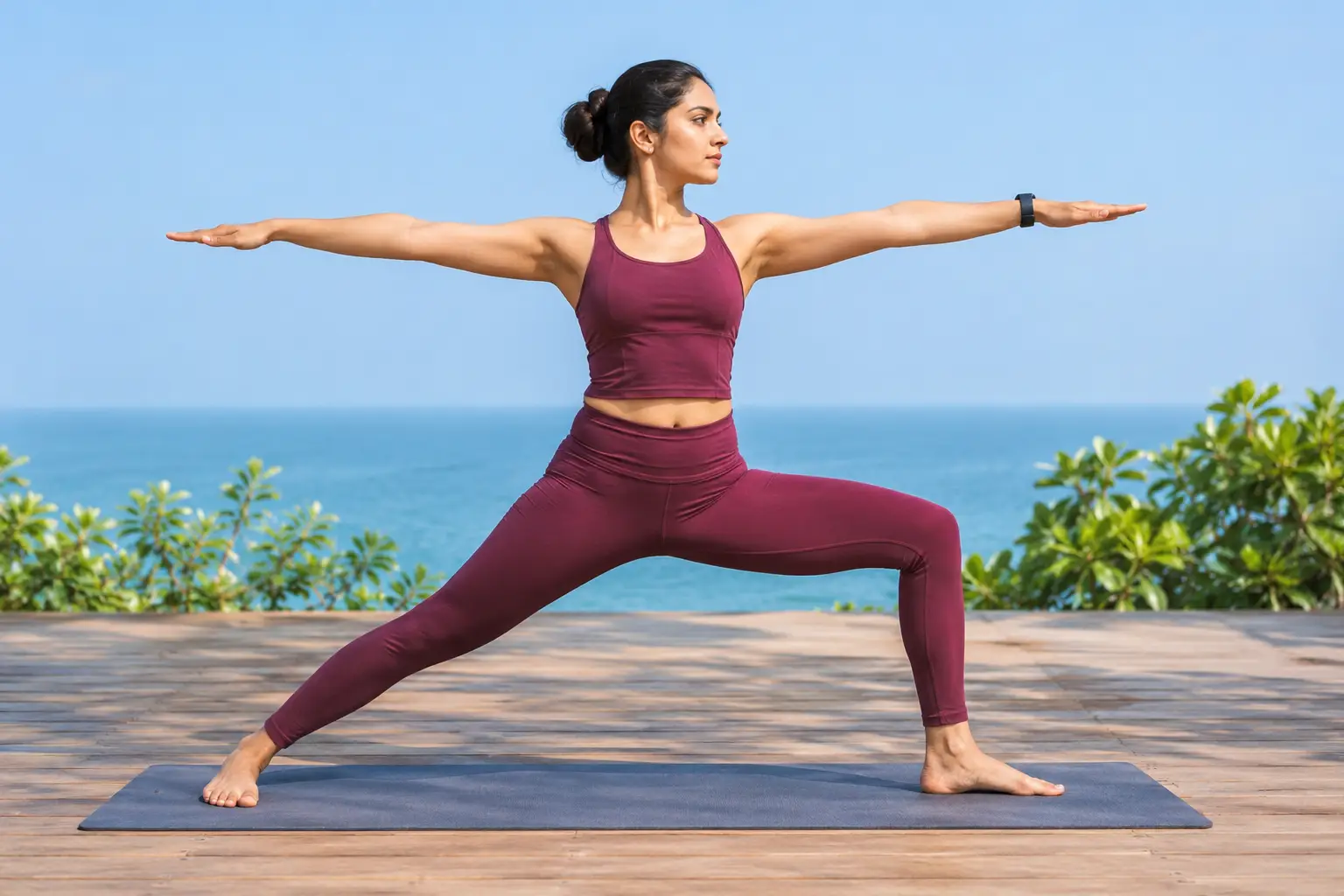
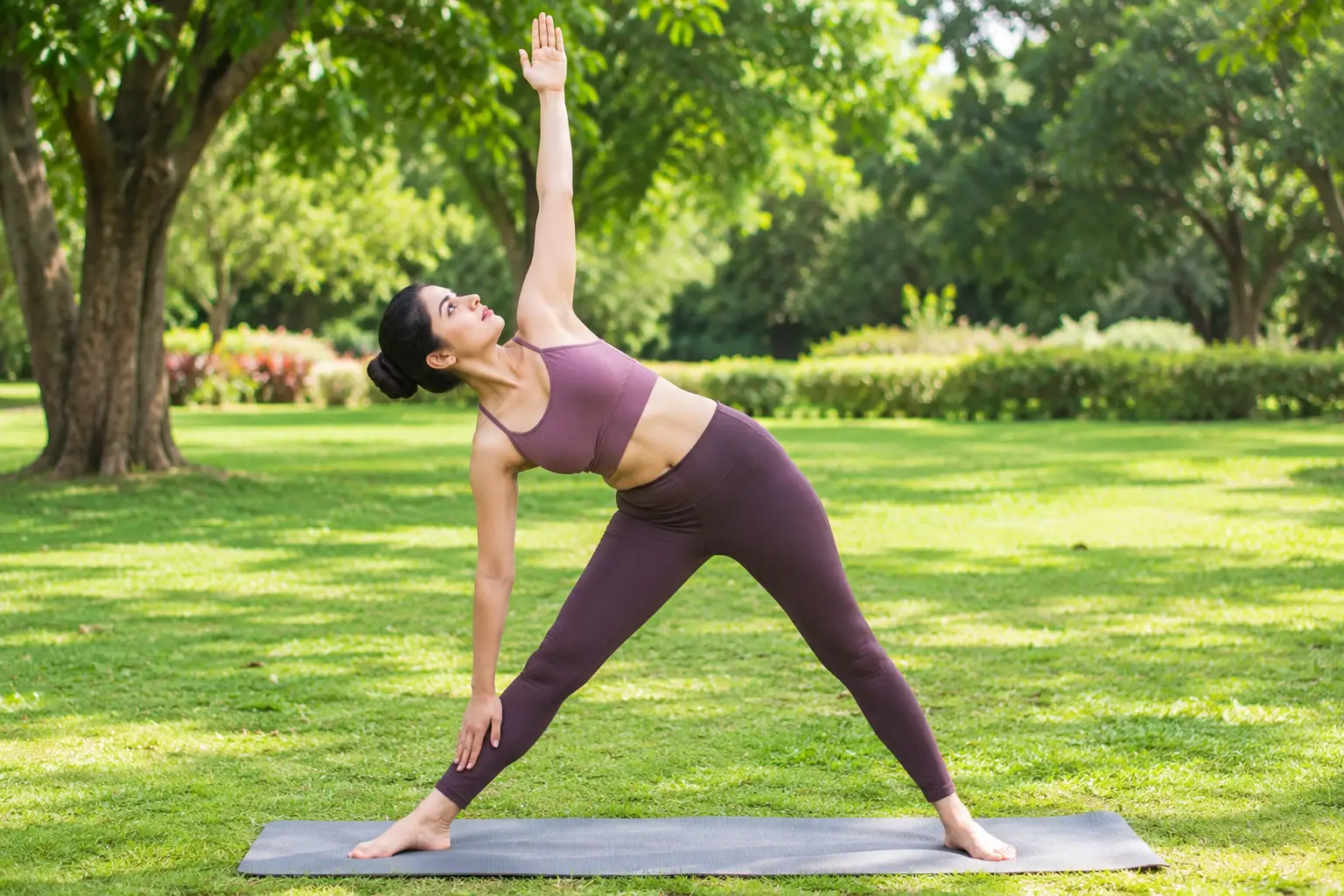
Standing poses, such as Mountain, Triangle and the Warriors, are done on the feet and often come early in a class.
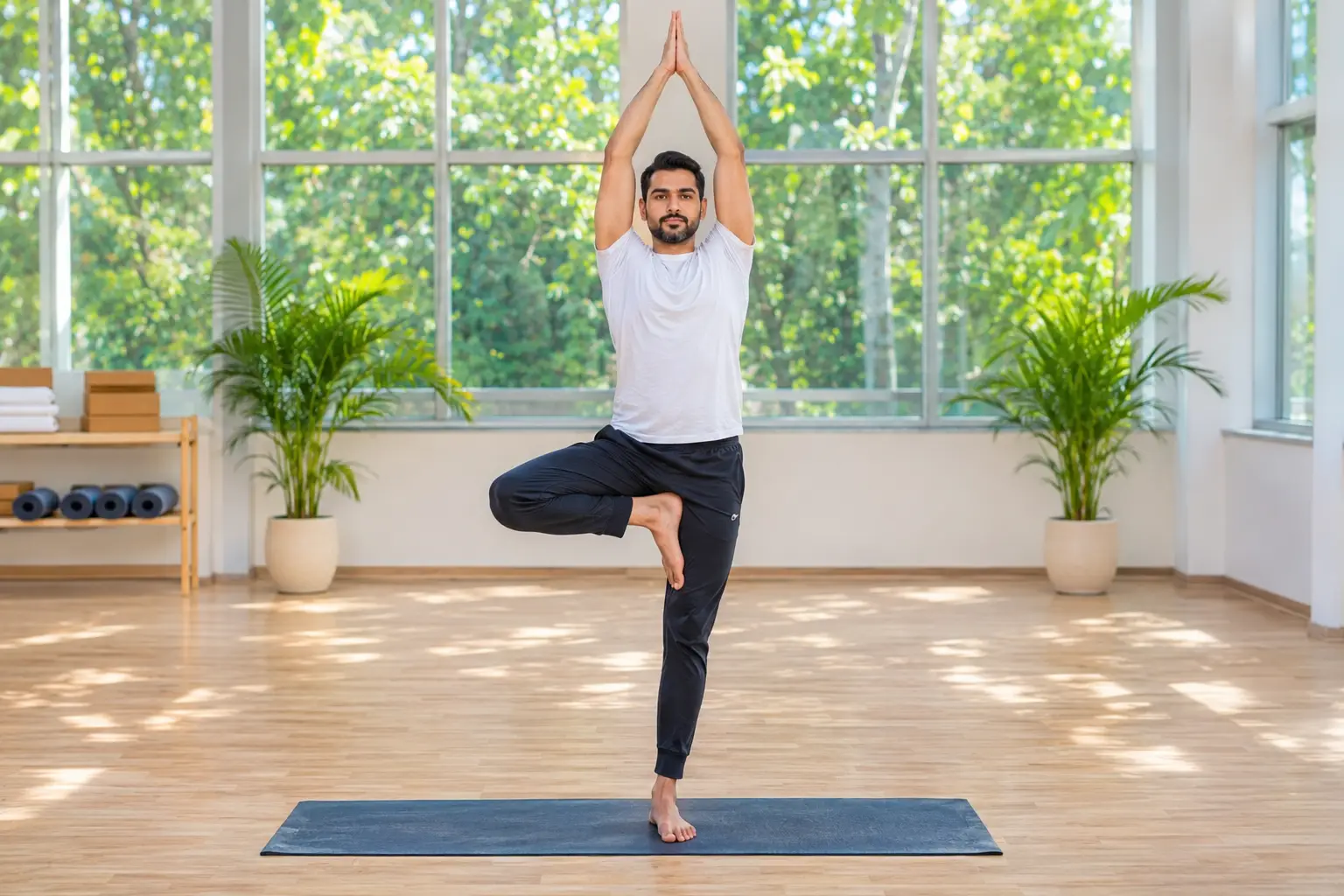
Balances ask you to hold steady on a small base. Tree and Eagle balance on one leg; arm balances such as Crow balance on the hands.
Forward bends, backbends and twists
Forward bends fold the front of the body toward the legs, as in Paschimottanasana, the seated forward bend. Backbends arch the spine the other way, as in Cobra, Camel, Bow and Wheel.
Twists rotate the spine. Ardha Matsyendrasana, Half Lord of the Fishes pose, is a common seated twist.
Inversions, seated and resting poses
Inversions bring the hips above the head, as in Shoulder stand and Headstand. Advanced inversions should only be learned with a teacher.
Seated poses, such as Easy pose, Lotus and Thunderbolt, are used for breathing and meditation. Resting poses, such as Child's pose and Corpse pose, give the body time to recover.
| Category | Examples |
|---|---|
| Standing | Tadasana, Trikonasana, Virabhadrasana |
| Balancing | Vrikshasana, Garudasana, Bakasana |
| Forward bend | Paschimottanasana, Uttanasana |
| Backbend | Bhujangasana, Ustrasana, Dhanurasana |
| Twist | Ardha Matsyendrasana |
| Inversion | Sarvangasana, Sirsasana |
| Seated | Sukhasana, Padmasana, Vajrasana |
| Resting | Balasana, Savasana |
Sort the poses
0 / 4 answered
1Which category does Camel pose belong to?
Answer: Backbend. Ustrasana arches the spine backward.2Which pose is an inversion?
Answer: Shoulder stand. Sarvangasana brings the hips above the head.3Which is a common seated twist?
Answer: Ardha Matsyendrasana. It is Half Lord of the Fishes pose.4Which pose is a resting pose?
Answer: Child's pose. Balasana is used to rest between harder poses.
Frequently asked questions
Why do classes follow a particular order of poses?
Many classes warm up with standing poses, move to deeper bends and balances, and finish with seated and resting poses. Teachers vary the order to suit the class and its aims.
Think in families
Group a new pose with its family, such as standing, backbend or twist, and you will remember both its shape and where it fits in a class.
Check the evidence behind the guide
Use these references to check terminology and pursue a topic in more depth. Photo quizzes help you practise observation; a single picture rarely proves a difficult identification.
Learn new poses with a qualified teacher, and check with a doctor first if you have an injury, are pregnant or have a health condition. A quiz teaches names, not safe technique.