Sanskrit pose names look long, but they are built from a small set of words. Once you know those words, you can often work out what a pose looks like from its name.
Spellings vary because Sanskrit is written in Devanagari script and transliterated into English in different ways. Savasana and Shavasana, for example, are the same pose.
The building blocks
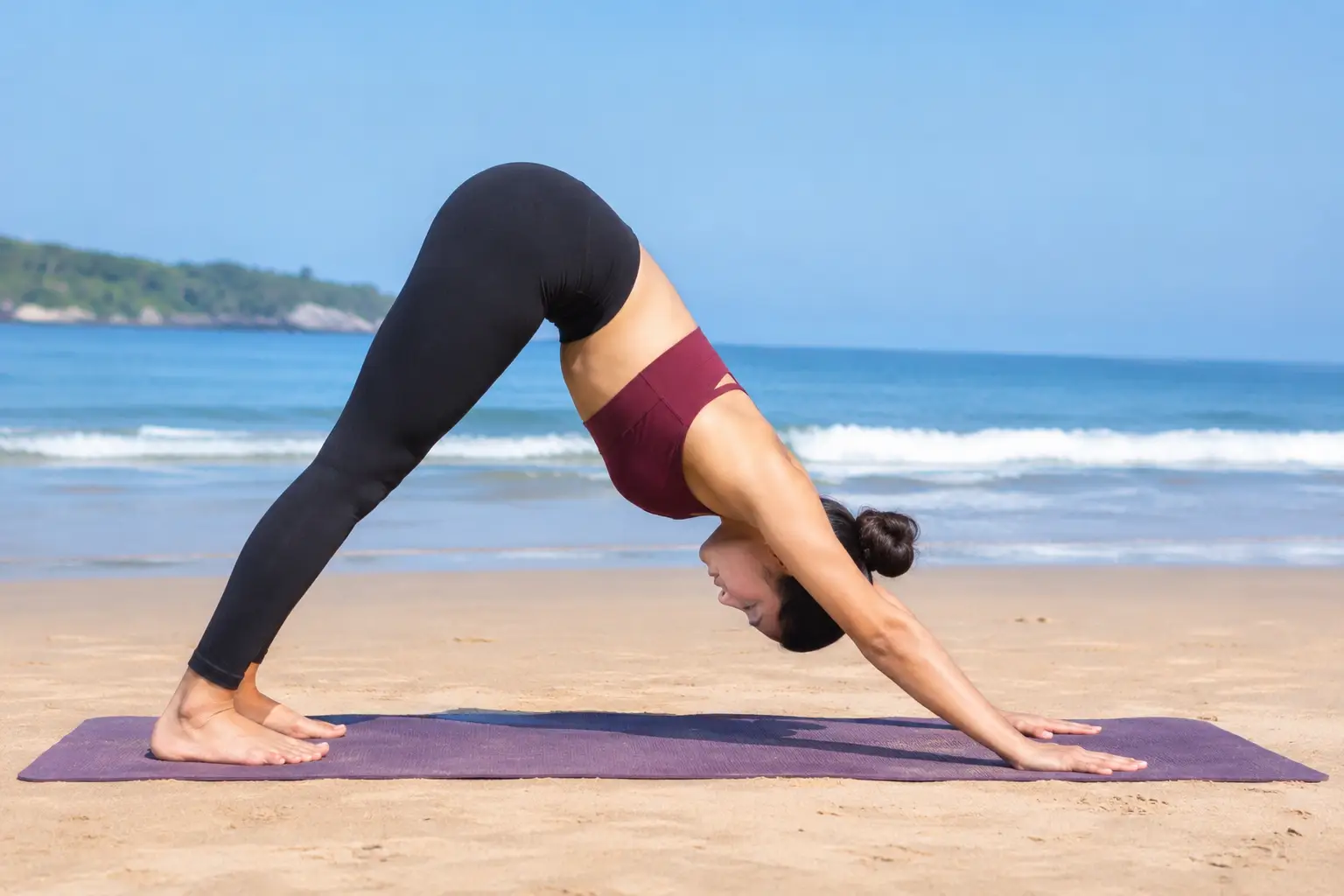
Asana means seat or posture and ends almost every pose name. Direction words are common: adho means downward, urdhva means upward, and mukha means face, so Adho Mukha Svanasana is the downward-facing dog.
Other useful words include eka (one), as in Eka Pada, meaning one foot or leg; parivrtta (revolved or twisted); utthita (extended); and supta (reclined).
Animals, nature and heroes
Many poses are named after animals: svana (dog), bhujanga (cobra), ustra (camel), baka (crane), matsya (fish) and garuda (the eagle-like mount of Vishnu).
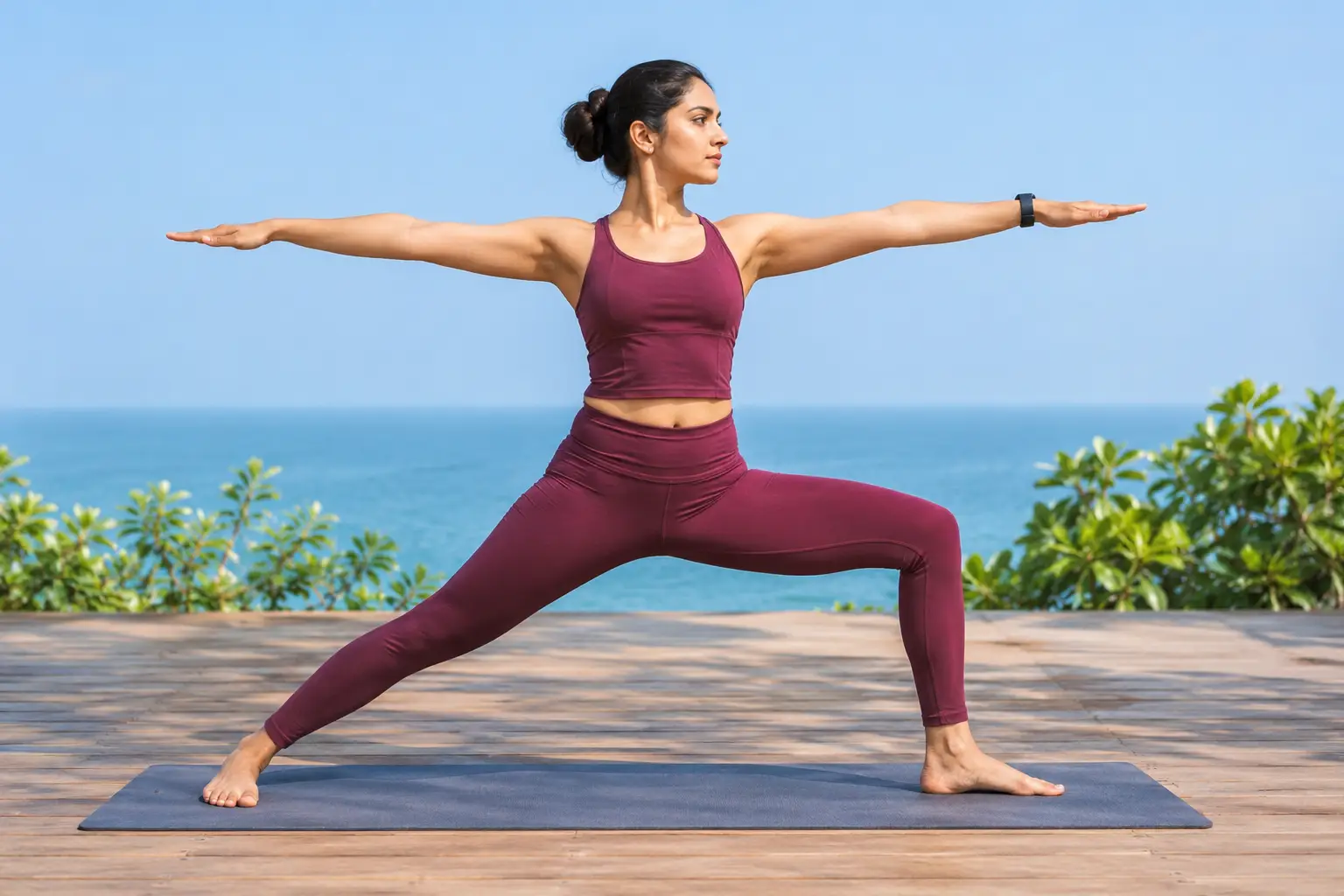
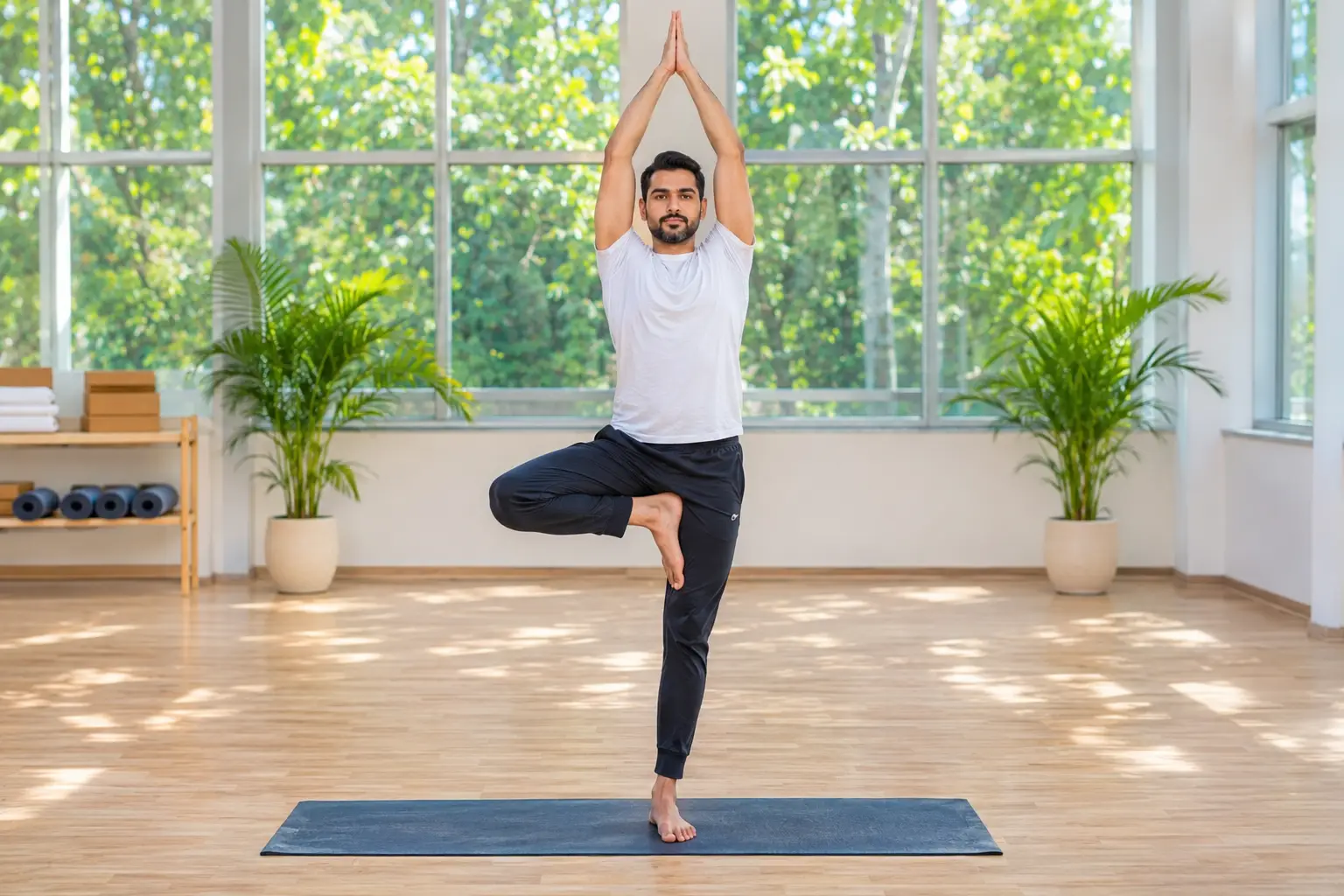
Others come from nature or objects, such as vriksha (tree), tada (mountain), padma (lotus), setu (bridge) and dhanu (bow). Virabhadrasana, the warrior poses, are named after the warrior Virabhadra from Hindu mythology.
Common poses decoded
The table links each name to its meaning and its usual English name.
| Sanskrit name | Key word meaning | English name |
|---|---|---|
| Tadasana | Tada: mountain | Mountain pose |
| Vrikshasana | Vriksha: tree | Tree pose |
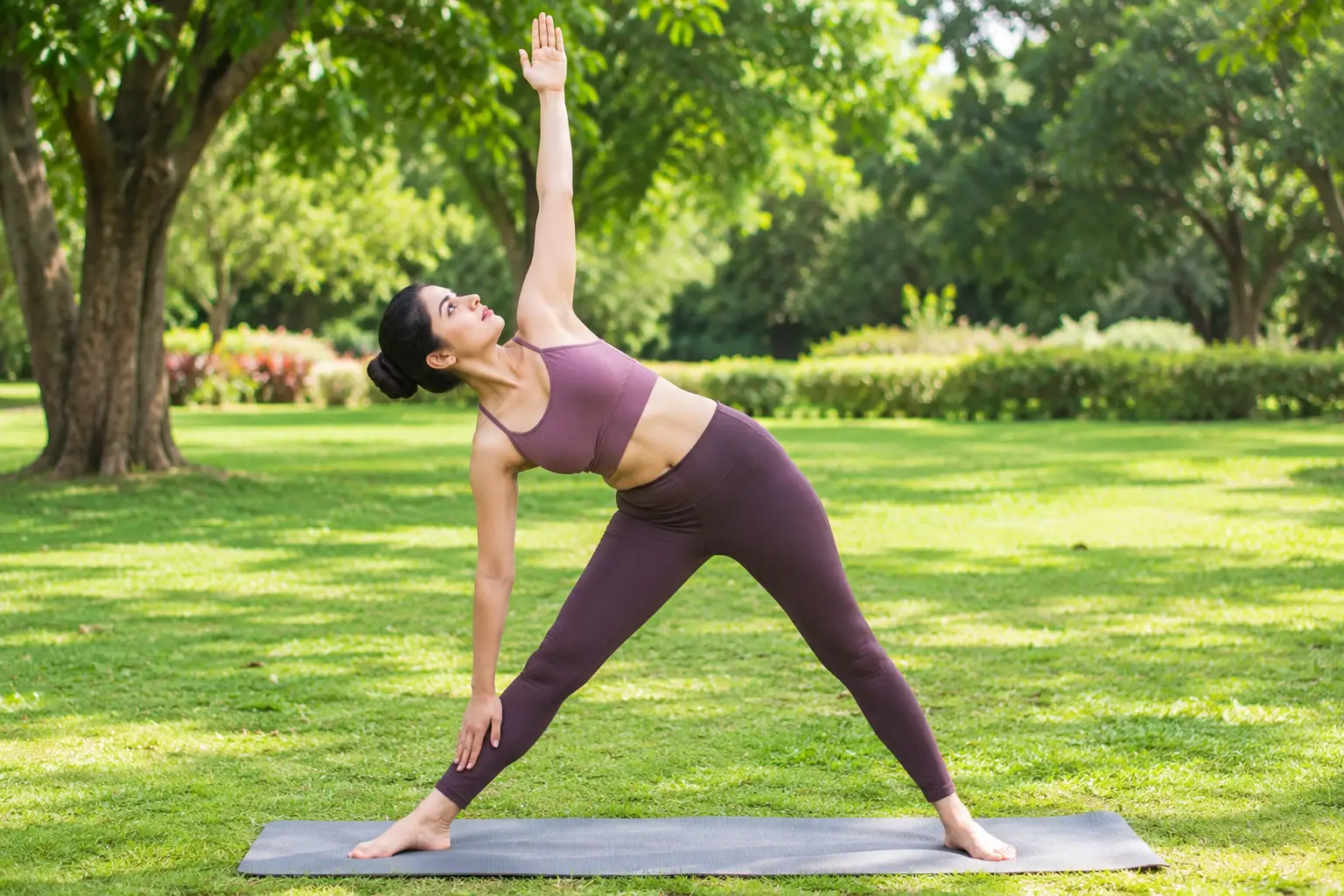
| Trikonasana | Trikona: triangle | Triangle pose |
| Adho Mukha Svanasana | Face down + dog | Downward-Facing Dog |
| Bhujangasana | Bhujanga: cobra | Cobra pose |
| Padmasana | Padma: lotus | Lotus pose |
| Balasana | Bala: child | Child's pose |
| Savasana | Shava: corpse | Corpse pose |
Decode the names
0 / 4 answered
1What does 'urdhva' mean?
Answer: Upward. Urdhva Mukha Svanasana is Upward-Facing Dog.2What does 'eka' mean?
Answer: One. Eka Pada means one foot or leg.3What does 'supta' mean in a pose name?
Answer: Reclined. Supta poses are done lying on the back.4Why are Savasana and Shavasana both used?
Answer: They are different English spellings of the same name. Transliteration into English varies.
Frequently asked questions
Do I need to learn Sanskrit names?
No, but many teachers use them. Knowing the main words helps you follow classes in different styles and countries.
A small vocabulary goes far
Learn about twenty Sanskrit words, such as asana, adho, urdhva, eka and the animal names, and most pose names become readable.
Check the evidence behind the guide
Use these references to check terminology and pursue a topic in more depth. Photo quizzes help you practise observation; a single picture rarely proves a difficult identification.
Learn new poses with a qualified teacher, and check with a doctor first if you have an injury, are pregnant or have a health condition. A quiz teaches names, not safe technique.