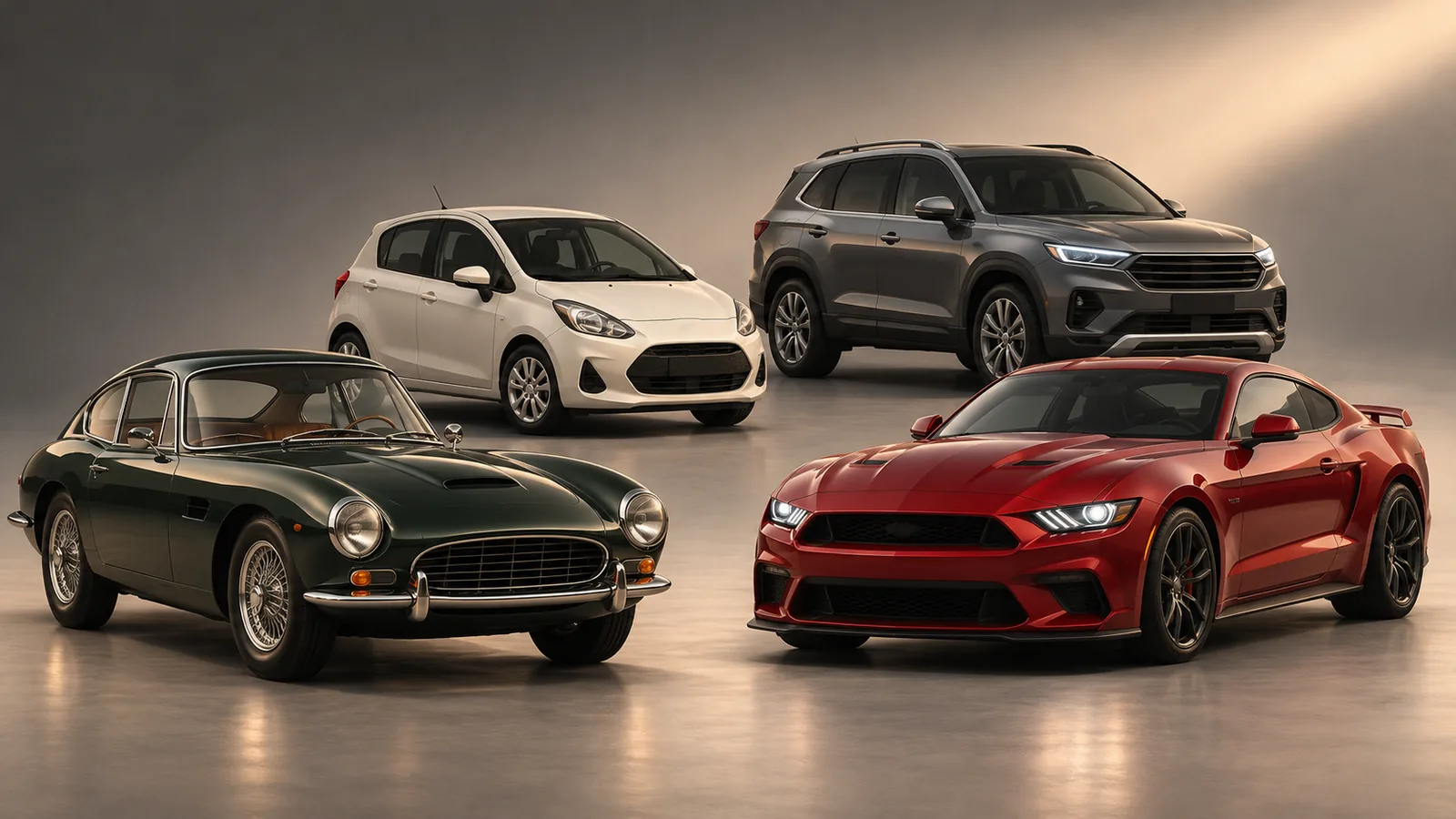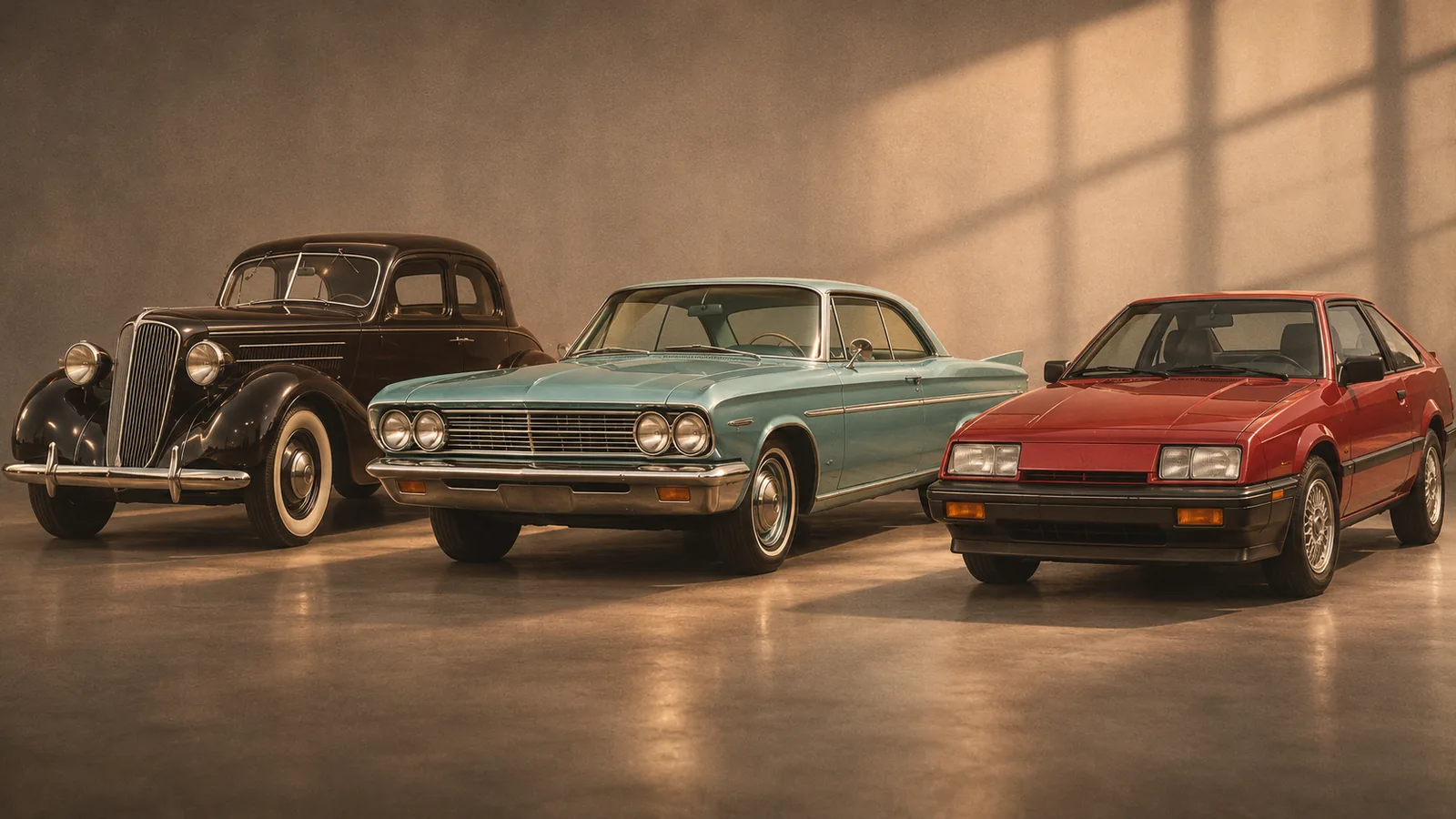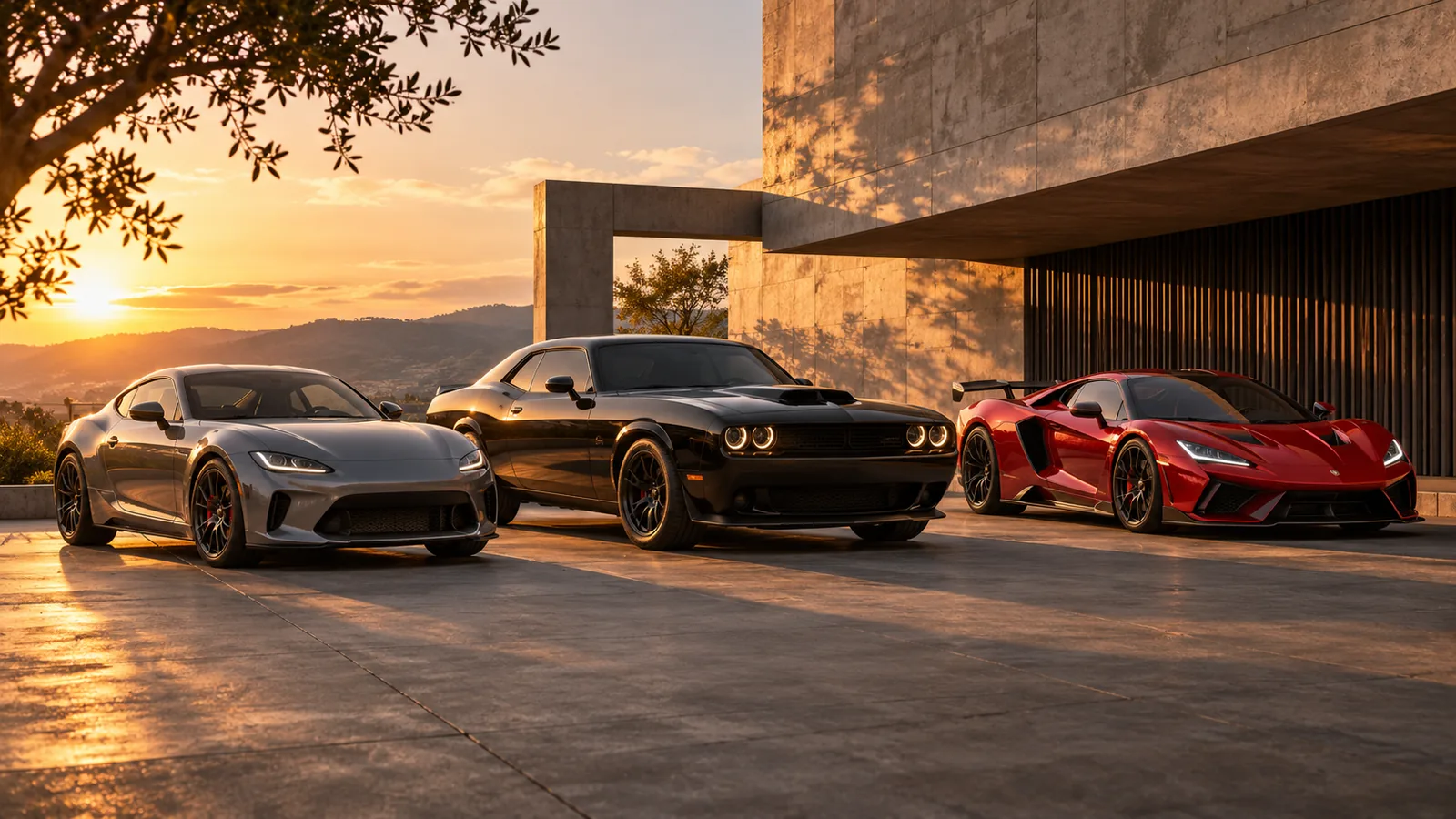
A low car with two doors is not automatically a supercar. These labels describe a mixture of design, heritage and market position, and the boundaries are less precise than a vehicle registration class.
Use the definitions as starting points. A sports car tends to prioritize driver engagement and handling; a traditional American muscle car pairs a relatively practical coupe body with a powerful engine; a supercar pushes performance, engineering and exclusivity farther. Individual models can straddle categories.
Quick takeaways
- Look at purpose and layout, not just horsepower.
- A muscle car often begins with a production coupe platform.
- Supercar is a market term without one universal threshold.
What makes a sports car?
A sports car is generally built for responsive driving, often with two seats or a compact cabin. Light weight, balance, steering and braking matter as much as straight-line speed. A small roadster can be a sports car without extreme horsepower.
The Mazda MX-5 is a useful example: a modest engine can still make a car engaging when the body is light and the controls are direct. The term also covers more powerful coupes, so treat it as a broad family.
Tip: Ask what the car is optimized to do on a winding road, not just its top speed.
Why muscle cars have a different story
The classic muscle-car idea grew from American production cars with strong acceleration and a powerful engine. Long hoods, broad bodies and rear-wheel drive are common clues. The Ford Mustang is more precisely a pony car, yet people often group modern Mustangs with muscle cars in everyday speech.
A drag-strip reputation is not the whole definition. Modern examples can have sophisticated suspension and track ability, while older examples were shaped by a different era of tires, brakes and safety rules.
Tip: Notice the long hood and conventional front-engine proportions.
Where supercars begin
Supercar is a less formal label for very high-performance, expensive, often low-volume road cars. Exotic materials, dramatic aerodynamics and mid-engine layouts are common, though none is mandatory. A Ferrari F40 is an unmistakable historical example.
Do not use a single horsepower cutoff. A powerful electric sedan may outrun a supercar in one test without sharing its design goals or market position. Compare the whole vehicle: weight, layout, braking, cooling, aerodynamics and intended use.
| Category | Typical focus | Useful caveat |
|---|---|---|
| Sports car | Handling and driver engagement | Can be affordable and modestly powered |
| Muscle car | Strong acceleration and coupe heritage | Definitions vary by era and region |
| Supercar | Extreme performance and exclusivity | No official universal threshold |
Classify the clue
0 / 4 answered
1Which quality can make a modest roadster a sports car?
Answer: Responsive handling. Sports-car appeal can come from balance and response rather than maximum power.2Which feature is common in traditional American muscle cars?
Answer: Powerful front engine. A large front engine in a production coupe is a familiar muscle-car pattern.3Is there one official horsepower cutoff for a supercar?
Answer: No. Supercar is a market description, not a formal power class.4Which nameplate is a classic lightweight roadster?
Answer: Mazda MX-5. The MX-5 is designed around compact roadster proportions.
Frequently asked questions
Is a Mustang a muscle car?
It began as a pony car, a category with its own history. Modern conversation often includes some Mustangs under the broader muscle-car label.
Use the category as a map
Start with the car's design purpose and heritage. Then name the exception when a model crosses the fuzzy boundary between labels.
Check the evidence behind the guide
Use these references to check terminology and pursue a topic in more depth. Photo quizzes help you practise observation; a single picture rarely proves a difficult identification.
When a source describes a broad group, compare its details with the exact species, model or specimen you are studying. Record the feature that supports your answer rather than relying on a name alone.