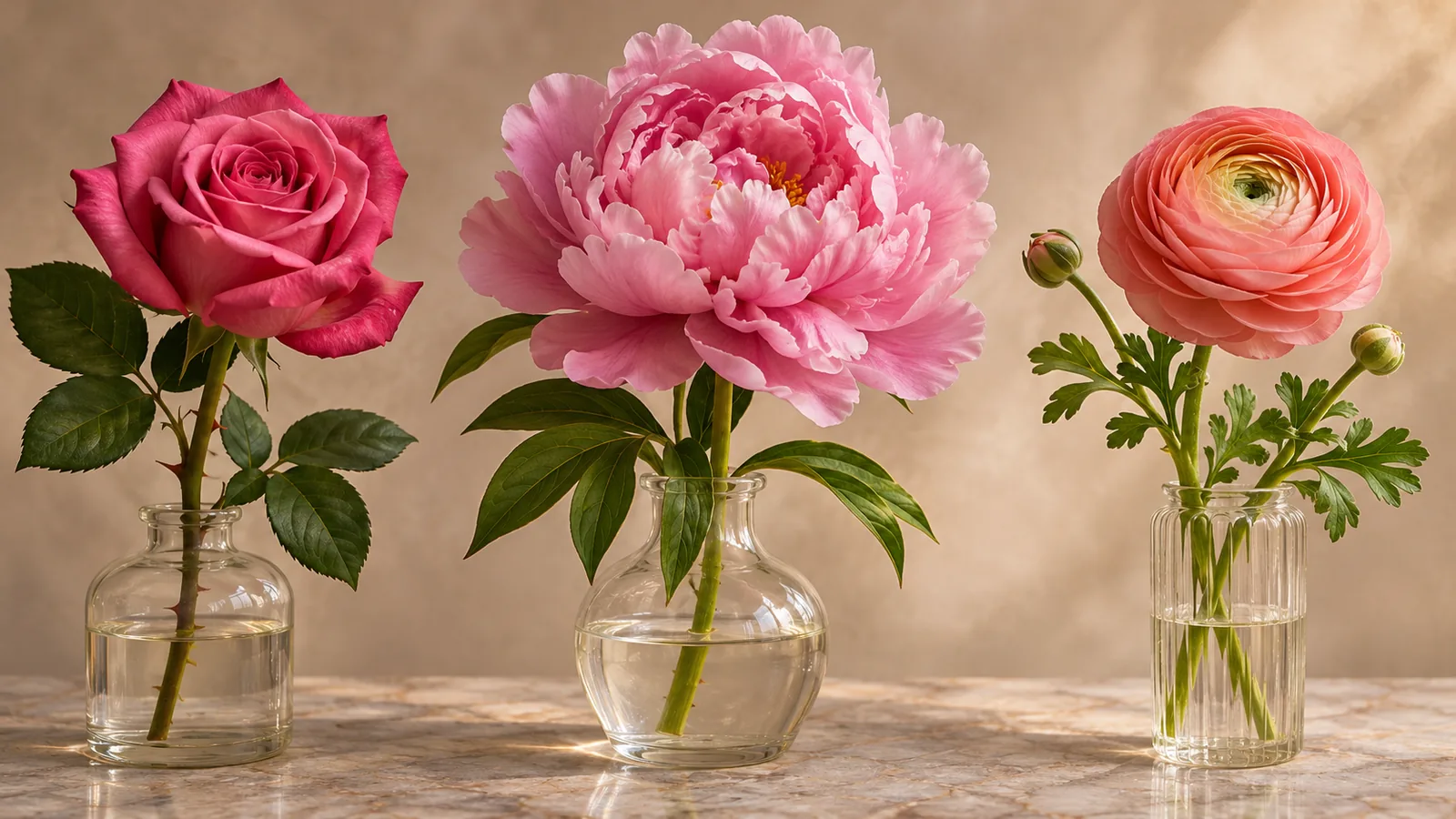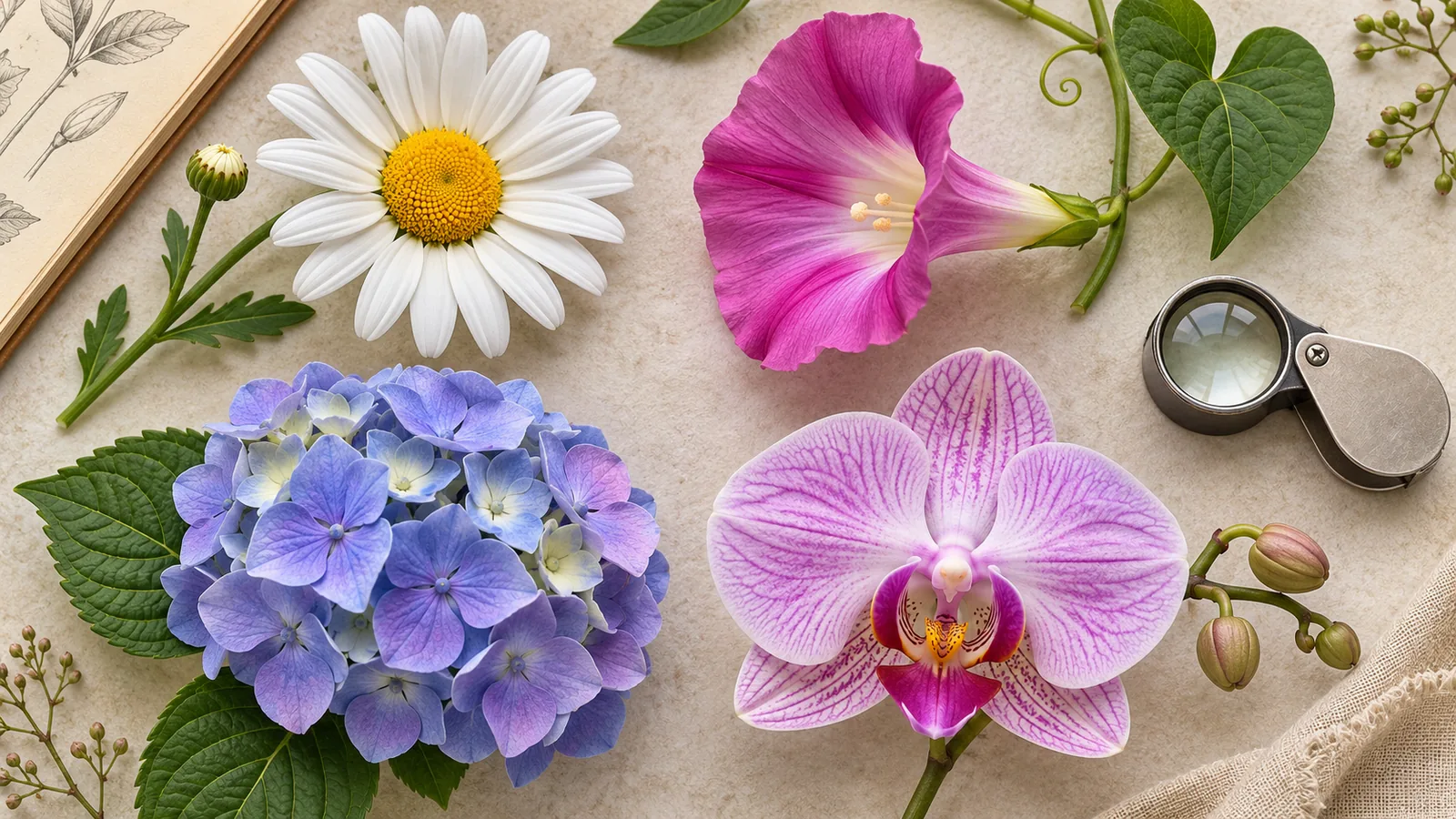
A flower's shape can tell you more than its color. Is it one bloom, a spike of many blooms or a head that only looks like one flower? That first distinction changes what you should count and compare.
RHS uses the word inflorescence for how flowers are arranged on a stem. Learning a few common arrangements makes picture quizzes easier and botanical descriptions clearer.
Composite heads and rounded clusters
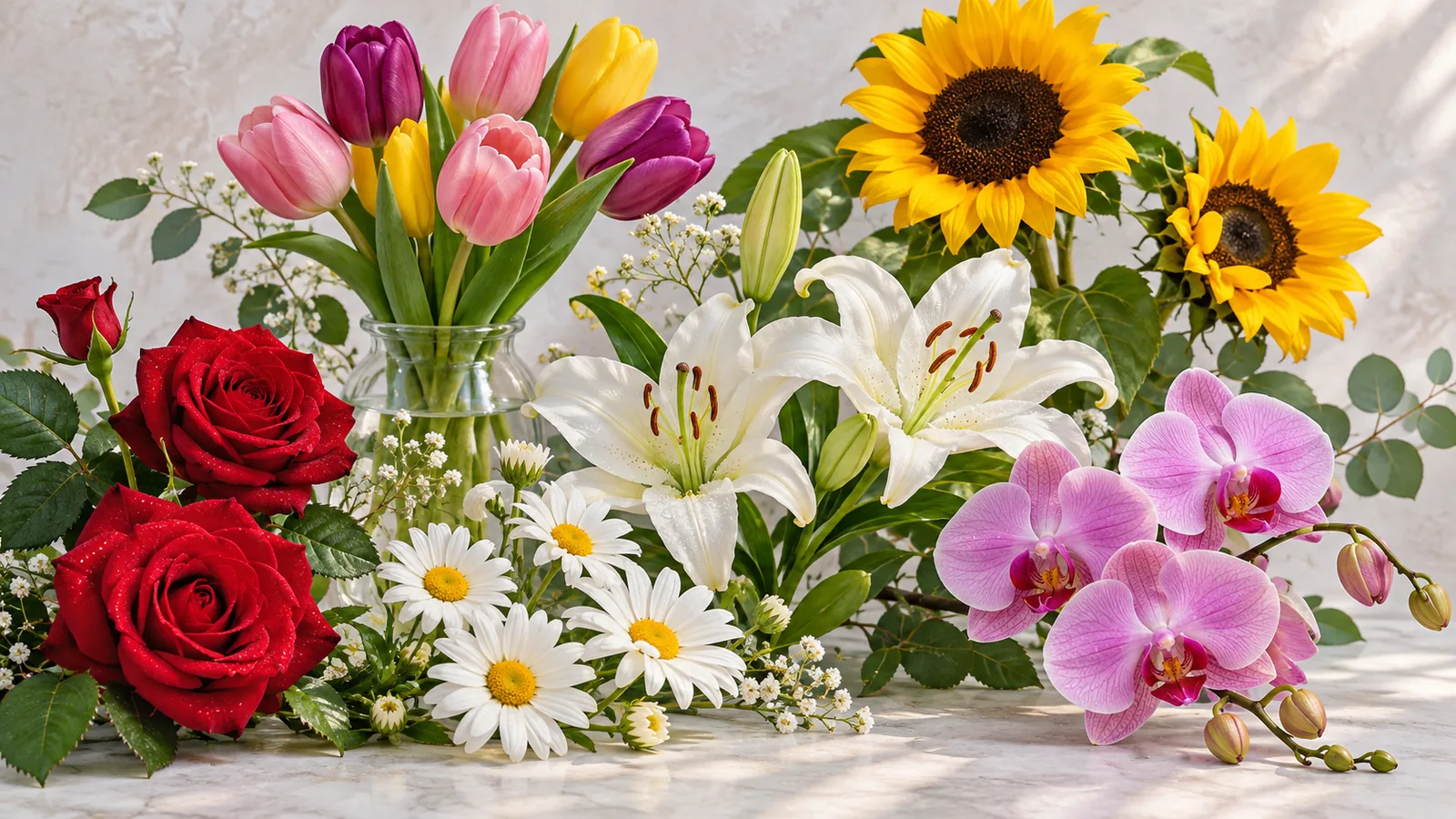
A daisy or sunflower head contains many small florets. The outer ray florets resemble petals; the central disk contains more florets. A hydrangea head is another cluster, but its small flowers and showy outer parts are arranged differently.
Do not count every apparent 'petal' as part of one flower without checking the center.
Spikes, racemes and umbels
A spike has many flowers arranged along an upright axis. In a raceme, individual flowers have small stalks along the axis. An umbel has flower stalks radiating from a common point, as seen in ornamental alliums.
From a distance these can blur. Look at where each flower stalk begins, ideally in a side view.
Individual flower forms
A trumpet-shaped flower has a fused tube widening outward; morning glories are a familiar example. Bell-shaped bluebells hang downward. Orchid blooms are highly variable but often have a specialized lip.
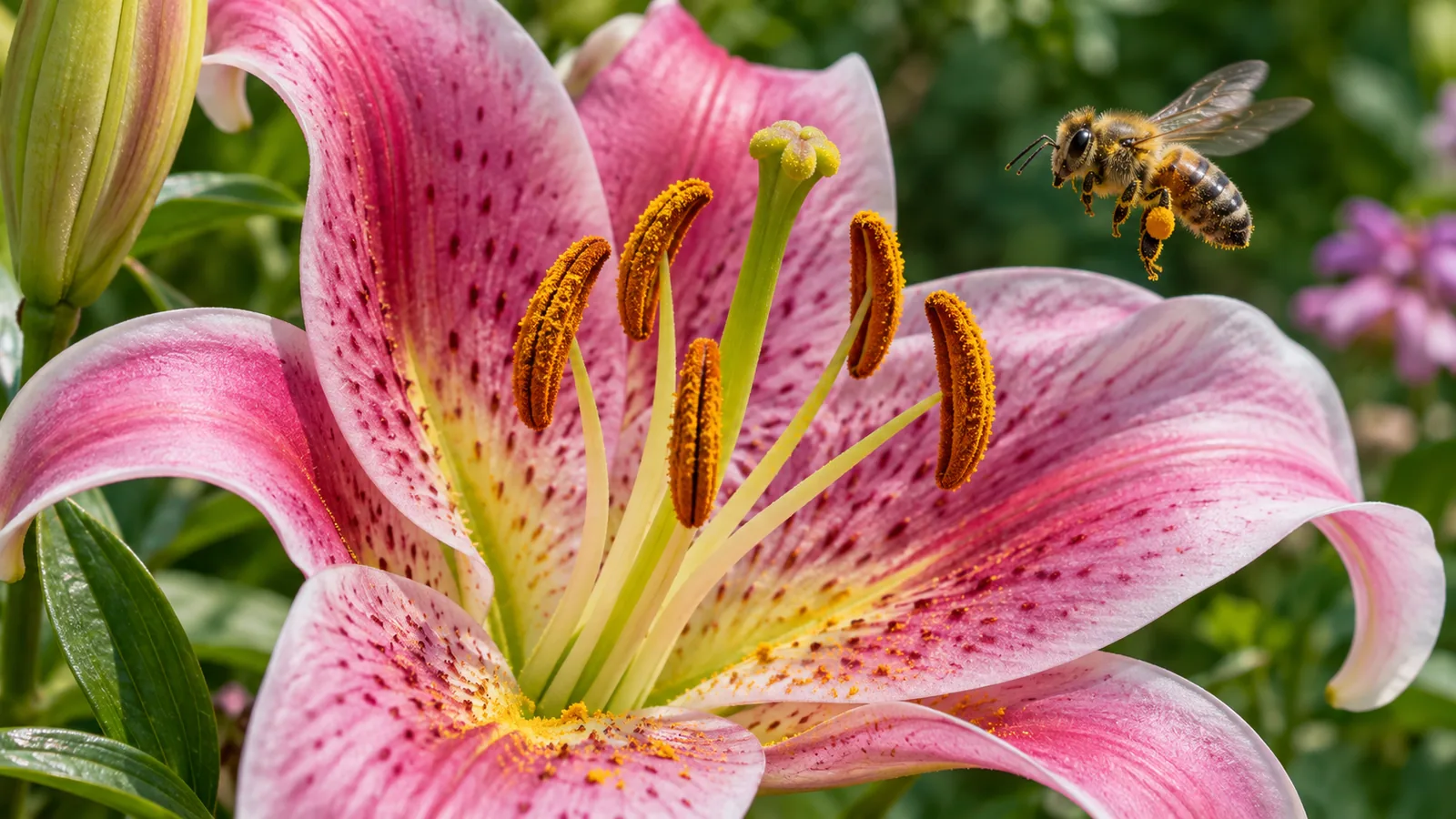
Shape alone rarely establishes species. Pair it with leaf and stem features, region and a trusted source. RHS notes that different flower shapes can suit different pollinators, which helps explain the diversity.
| Form | What you see | Example |
|---|---|---|
| Composite head | Many florets in one apparent bloom | Daisy |
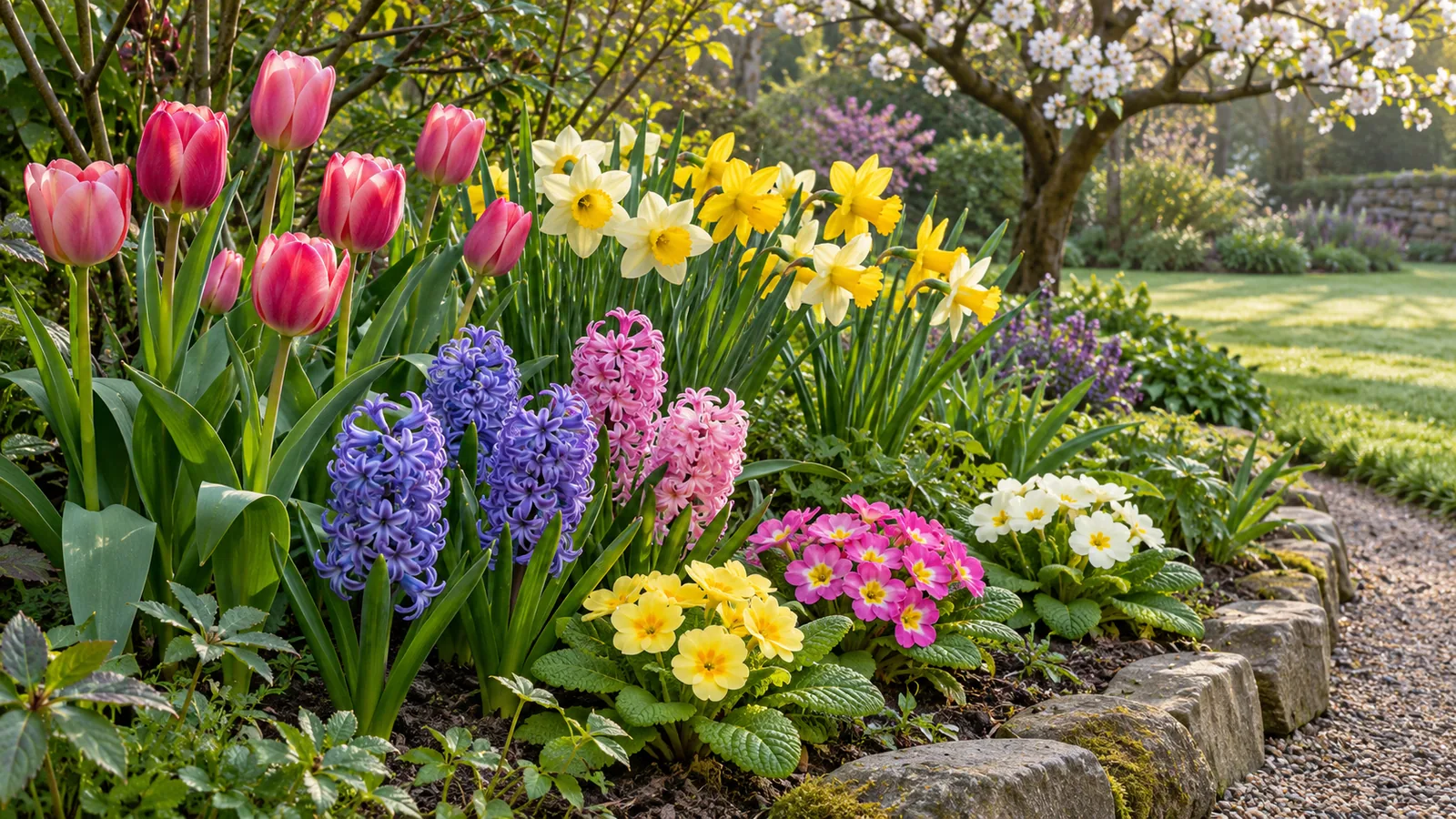
| Spike | Flowers along an upright axis | Hyacinth |
| Umbel | Stalks radiate from one point | Ornamental allium |
| Trumpet | Tube widens into a face | Morning glory |
Read the arrangement
0 / 4 answered
1A daisy head contains what?
Answer: Many florets. The outer rays and central disk are made of small flowers.2What is an inflorescence?
Answer: Arrangement of flowers on a stem. The term describes the flowering arrangement.3Which form has stalks radiating from one point?
Answer: Umbel. The stalks of an umbel spread from a shared point.4What should follow a flower-shape clue?
Answer: Leaves, stem and region. Independent features make identification more reliable.
Frequently asked questions
Is a sunflower one flower?
The visible head is an inflorescence made of many small florets, including ray and disk florets.
Describe the arrangement
Name the overall form, then check how individual flowers attach. That sequence turns a colorful image into a useful botanical observation.
Check the evidence behind the guide
Use these references to check terminology and pursue a topic in more depth. Photo quizzes help you practise observation; a single picture rarely proves a difficult identification.
When a source describes a broad group, compare its details with the exact species, model or specimen you are studying. Record the feature that supports your answer rather than relying on a name alone.