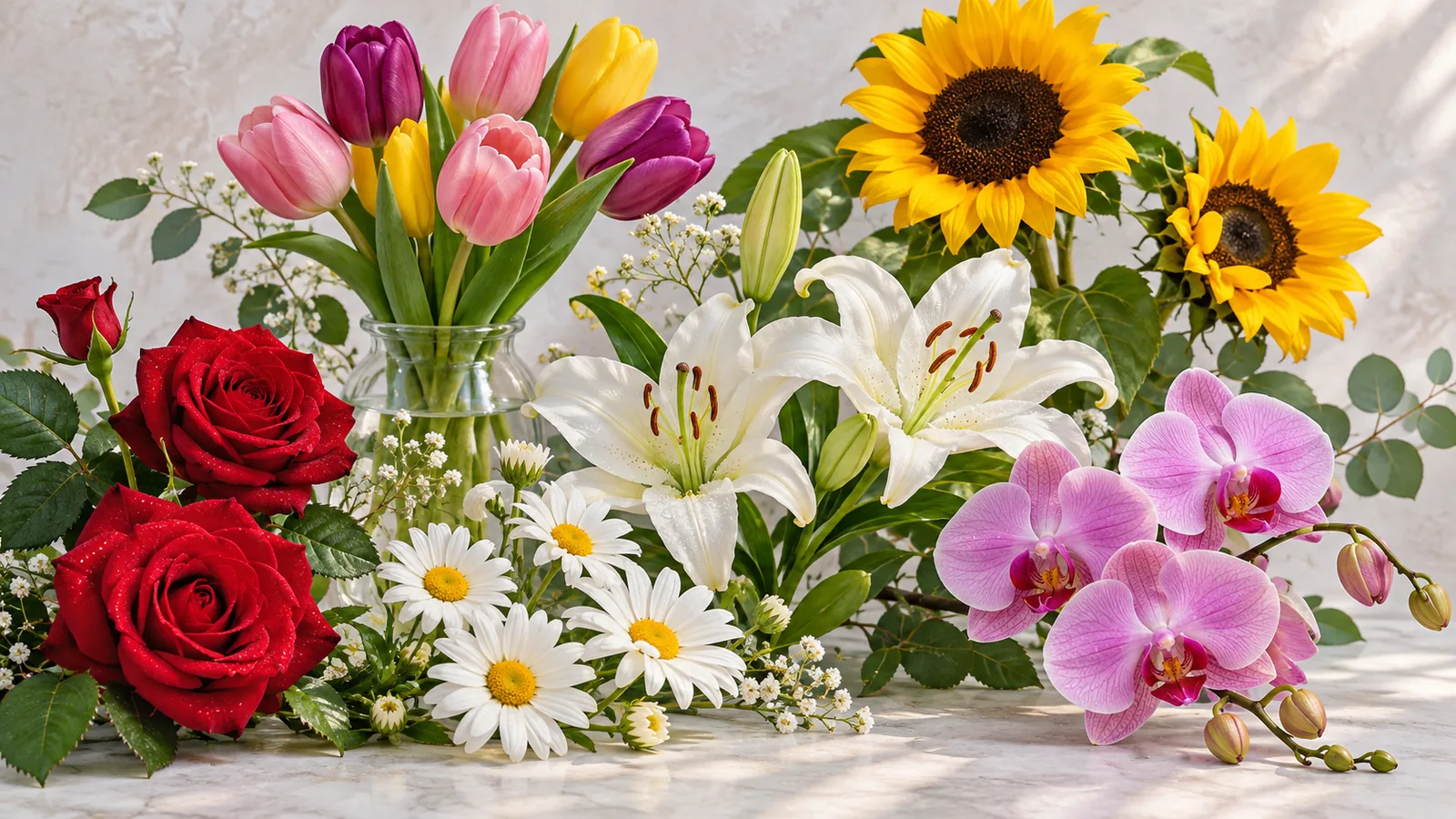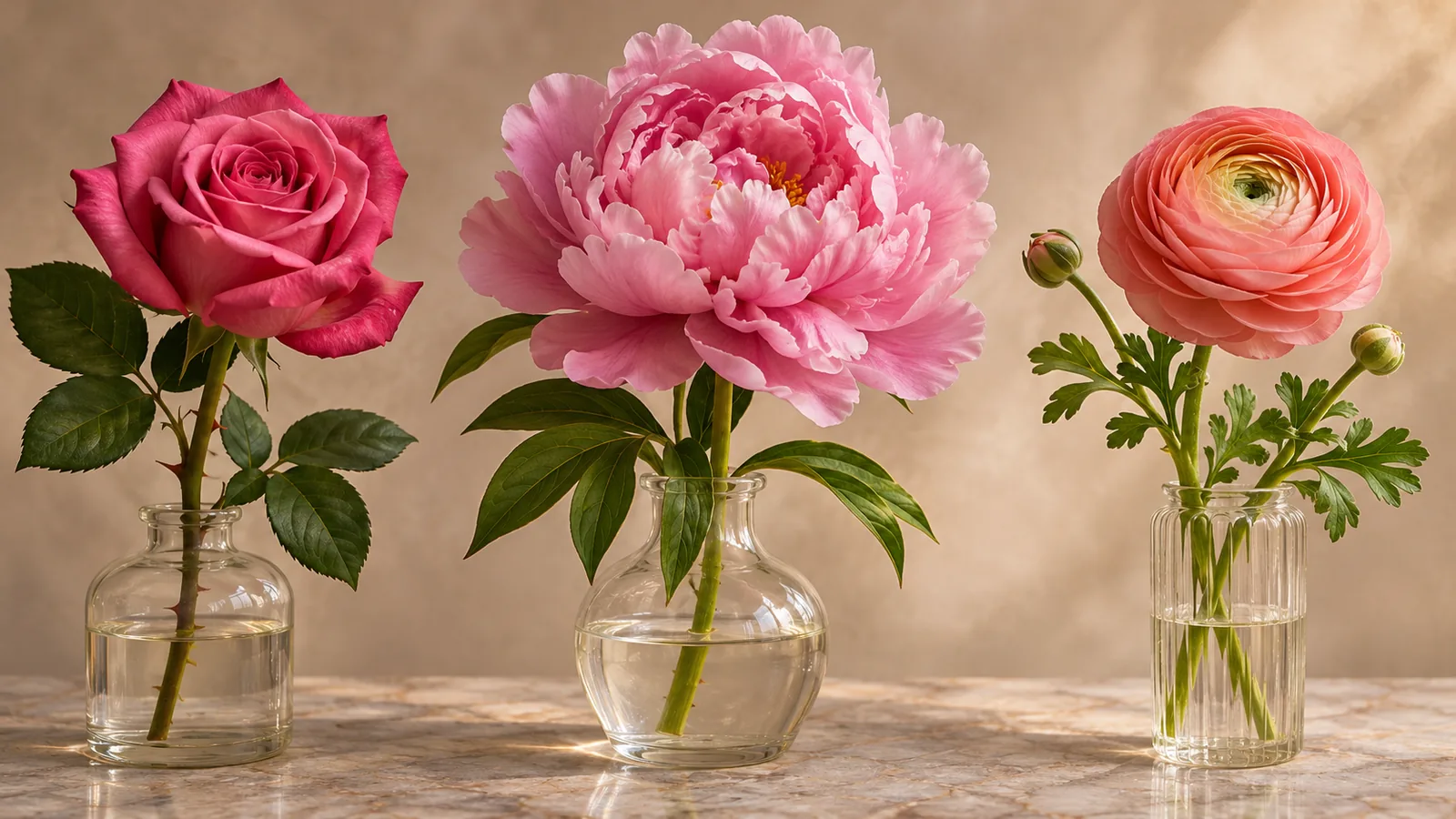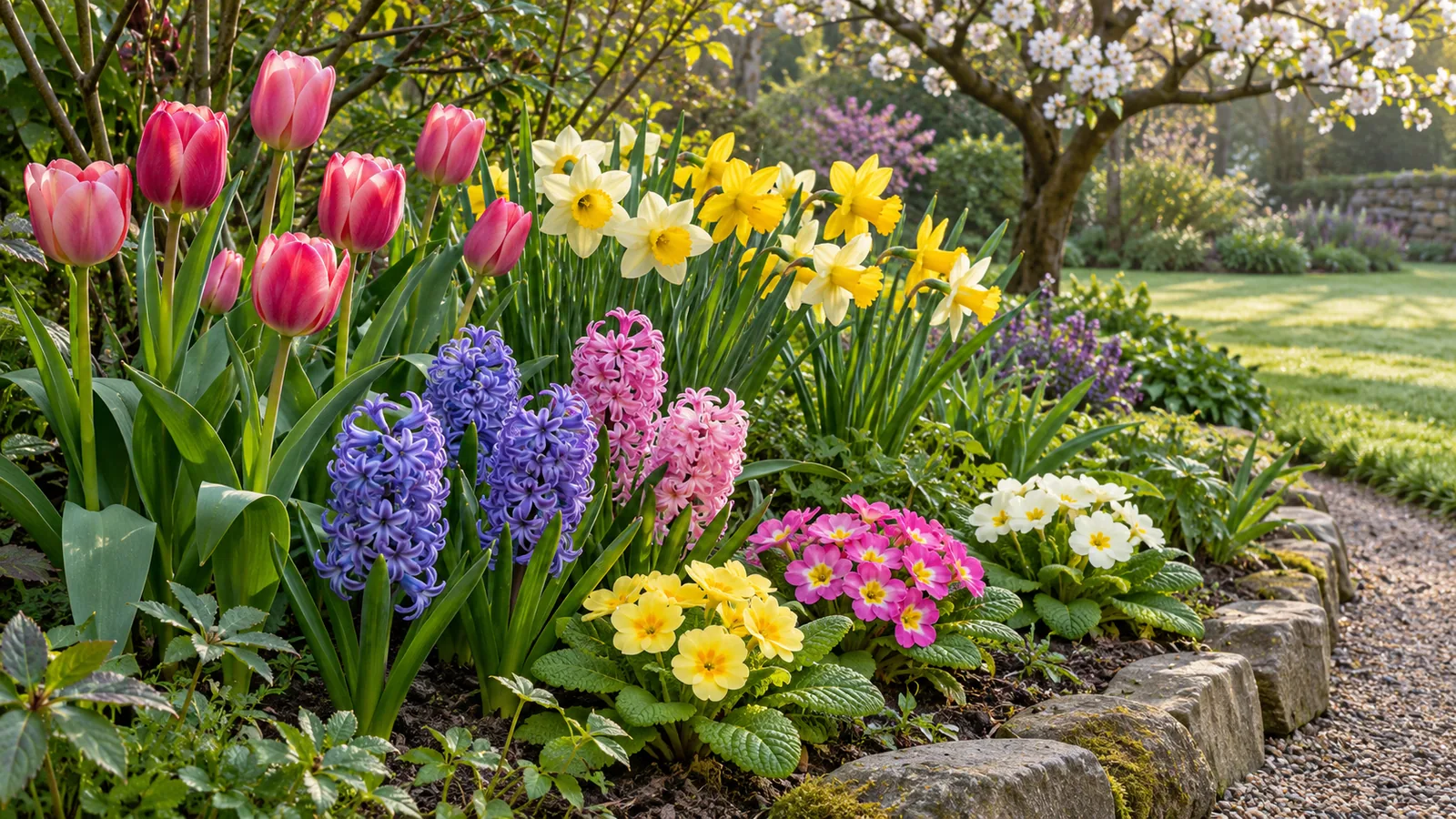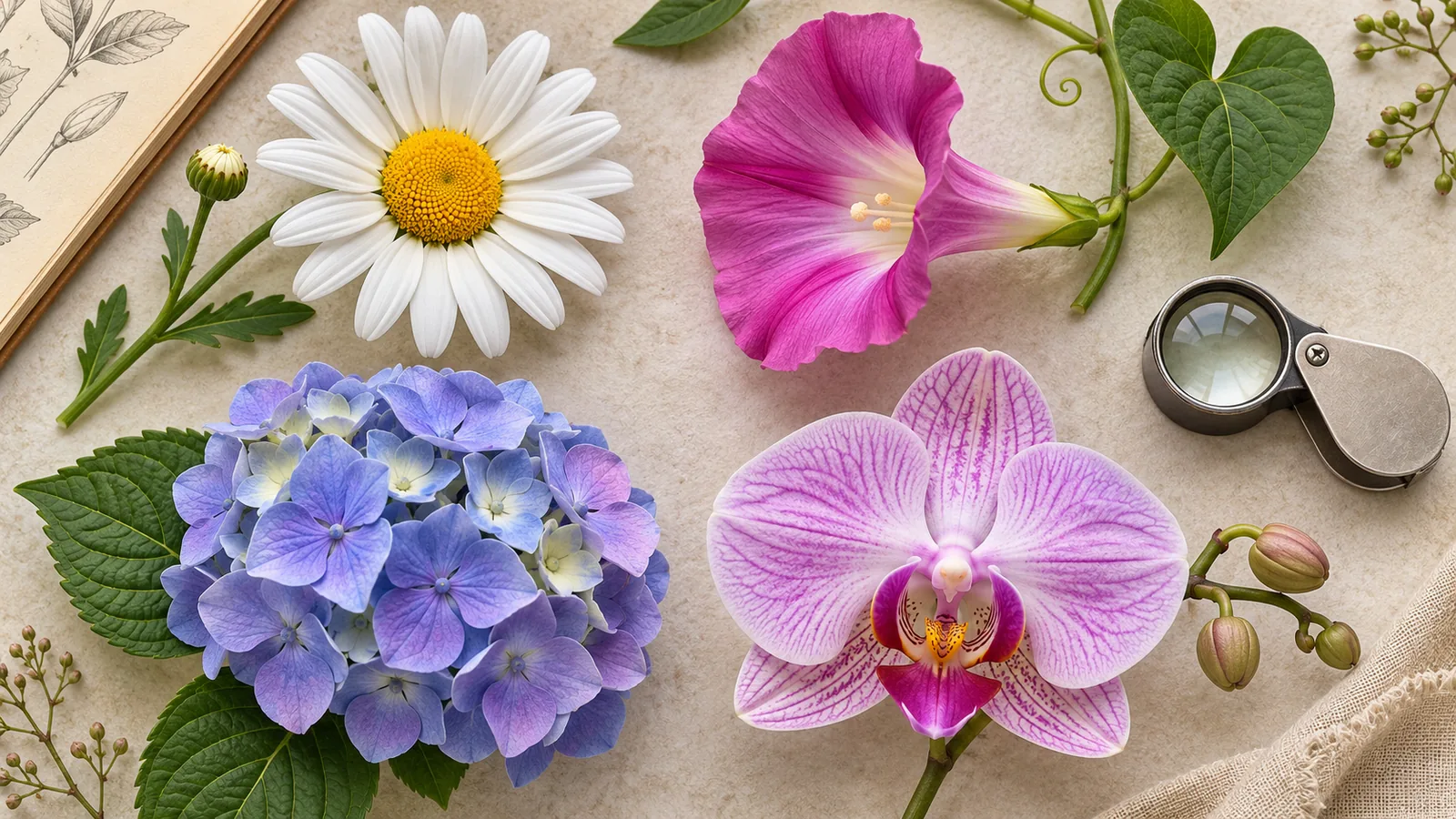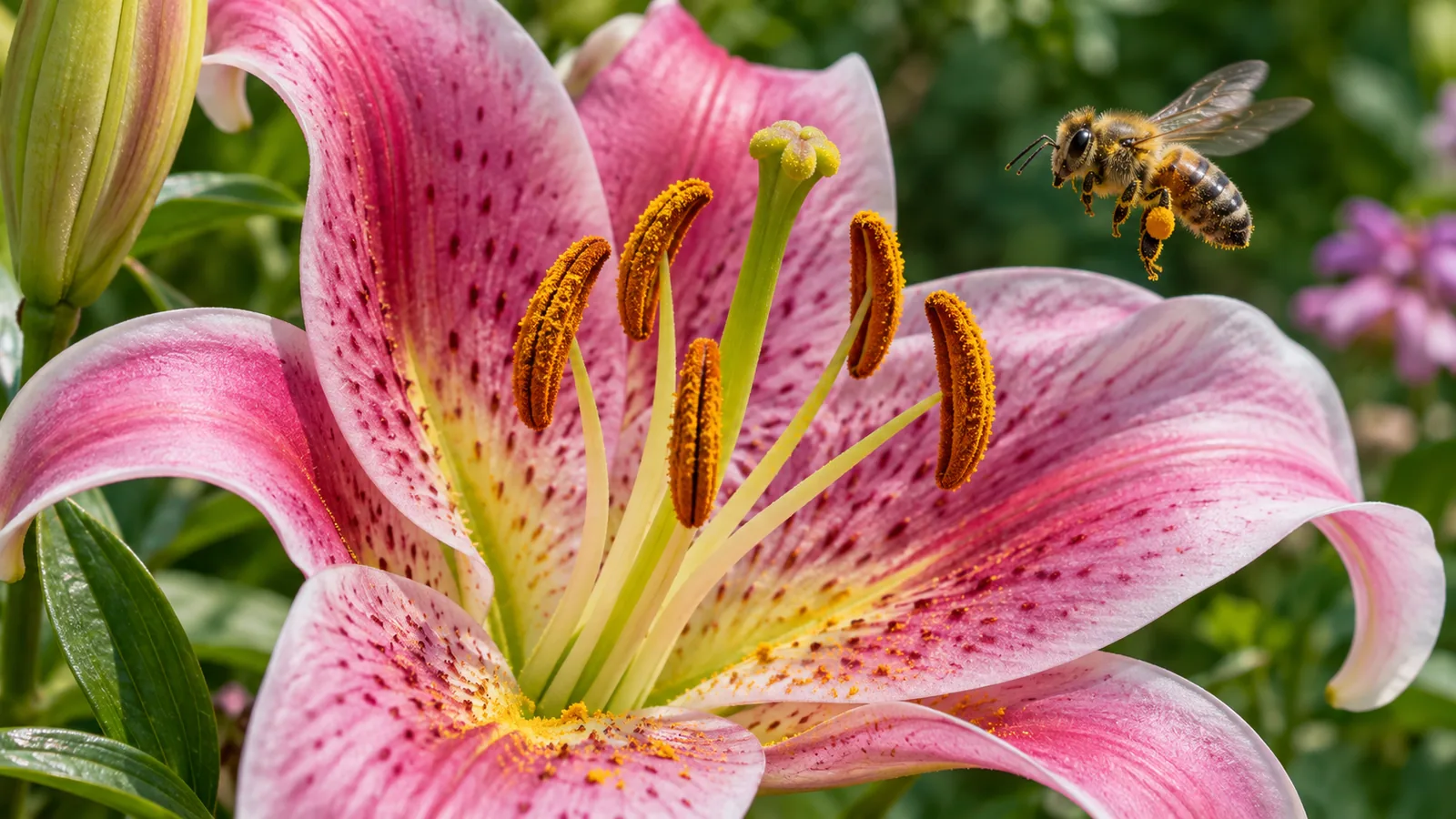
Look into an open flower and you may see colorful petals, pollen-bearing tips and a central structure. Naming those parts helps you understand both identification and pollination.
Flowers vary enormously. Some have separate male and female flowers, some have tiny florets packed into a head, and some petals are modified. Begin with the common model, then notice the exceptions.
The outer parts: sepals and petals
Sepals often protect a flower bud before it opens. Petals may attract animal visitors with color, scent or shape. In lilies, similar-looking floral parts are often called tepals because petals and sepals are not clearly differentiated.
A daisy-like head is not one giant flower. The apparent petals are ray florets and the center contains many disk florets.
Stamens and the central structure
A stamen includes a filament and an anther, which produces pollen. The pistil or carpel includes the stigma, style and ovary in a simplified flower diagram. A stigma receives pollen; ovules inside the ovary can develop into seeds after fertilization.
Count and placement differ across flower groups. An orchid's structures, for example, are more specialized than the neat textbook diagram.
Pollination is a transfer, not a promise of seeds
Pollination is the movement of pollen to a compatible stigma. Bees, other animals, wind and sometimes water can move pollen, depending on the plant. Fertilization and seed development are later steps.
Flower shape can affect which visitors reach nectar or pollen. RHS notes that a variety of flower shapes supports different pollinators in a garden.
| Part | Simple role | Where to look |
|---|---|---|
| Sepal | Protects bud | Outside flower |
| Petal | Display and attraction | Around center |
| Anther | Produces pollen | Tip of stamen |
| Stigma | Receives pollen | Top of carpel |
| Ovary | Contains ovules | Base of carpel |
Name the part
0 / 4 answered
1Which part produces pollen?
Answer: Anther. Anthers are the pollen-bearing parts of stamens.2Which part receives pollen?
Answer: Stigma. A compatible stigma receives pollen during pollination.3What often protects a flower bud?
Answer: Sepals. Sepals commonly enclose a developing bud.4Is pollination identical to fertilization?
Answer: No. Pollination moves pollen; fertilization follows if conditions allow.
Frequently asked questions
Do all flowers have obvious petals?
No. Some flowers are small or reduced, and many wind-pollinated flowers do not have large colorful petals.
Read from outside in
Find sepals, petals, stamens and central structures in one open flower. Then compare a very different flower to see which parts change.
Check the evidence behind the guide
Use these references to check terminology and pursue a topic in more depth. Photo quizzes help you practise observation; a single picture rarely proves a difficult identification.
When a source describes a broad group, compare its details with the exact species, model or specimen you are studying. Record the feature that supports your answer rather than relying on a name alone.