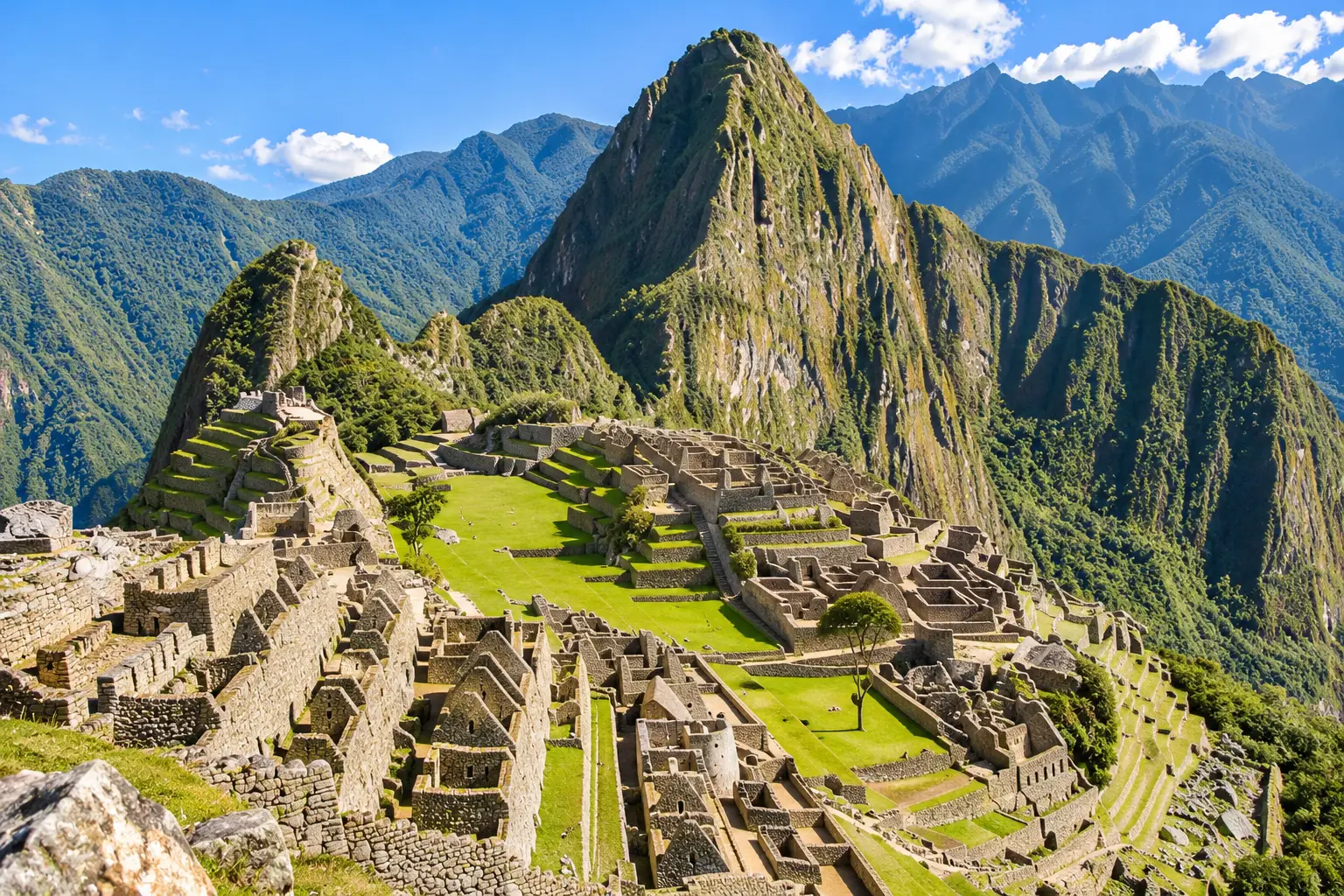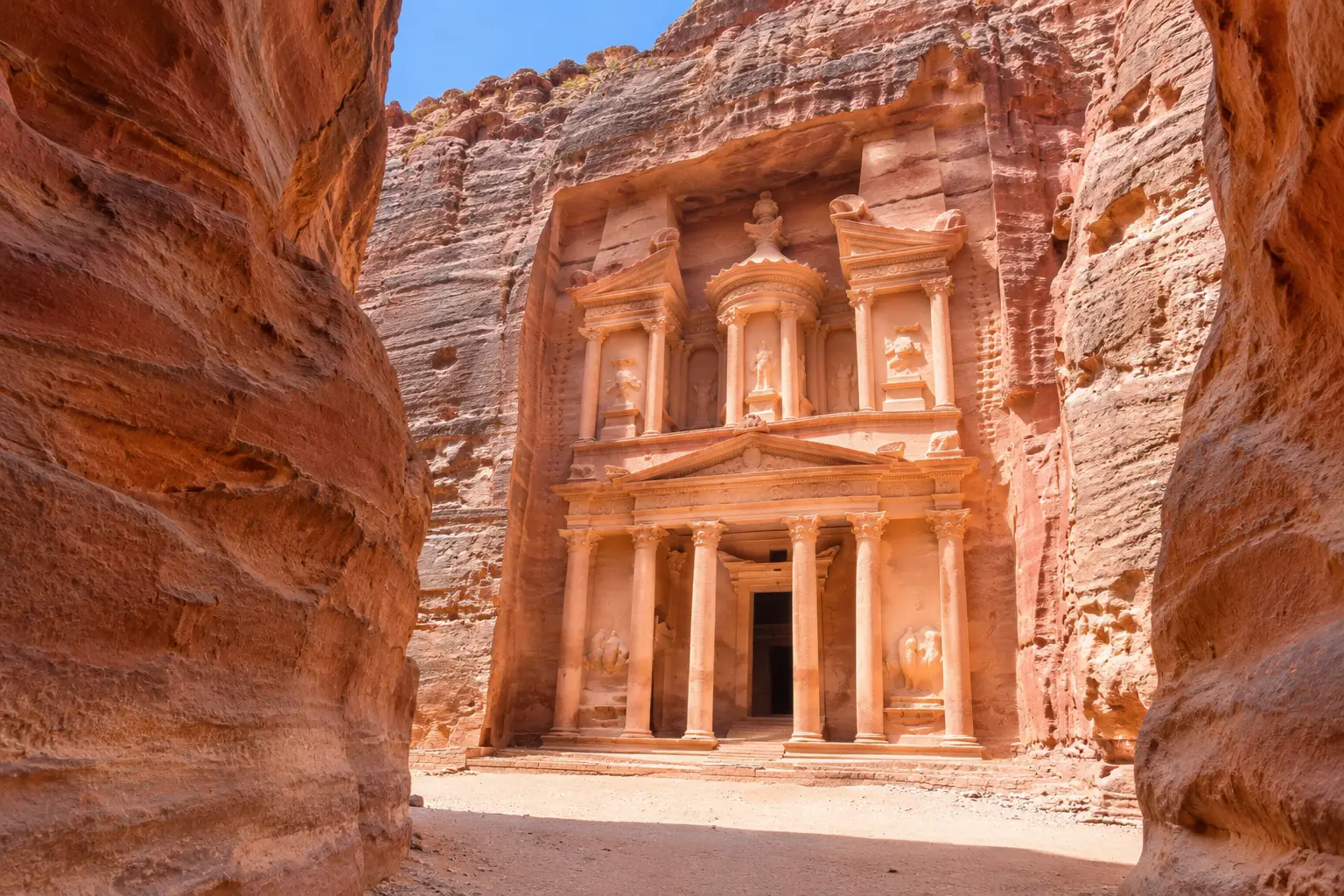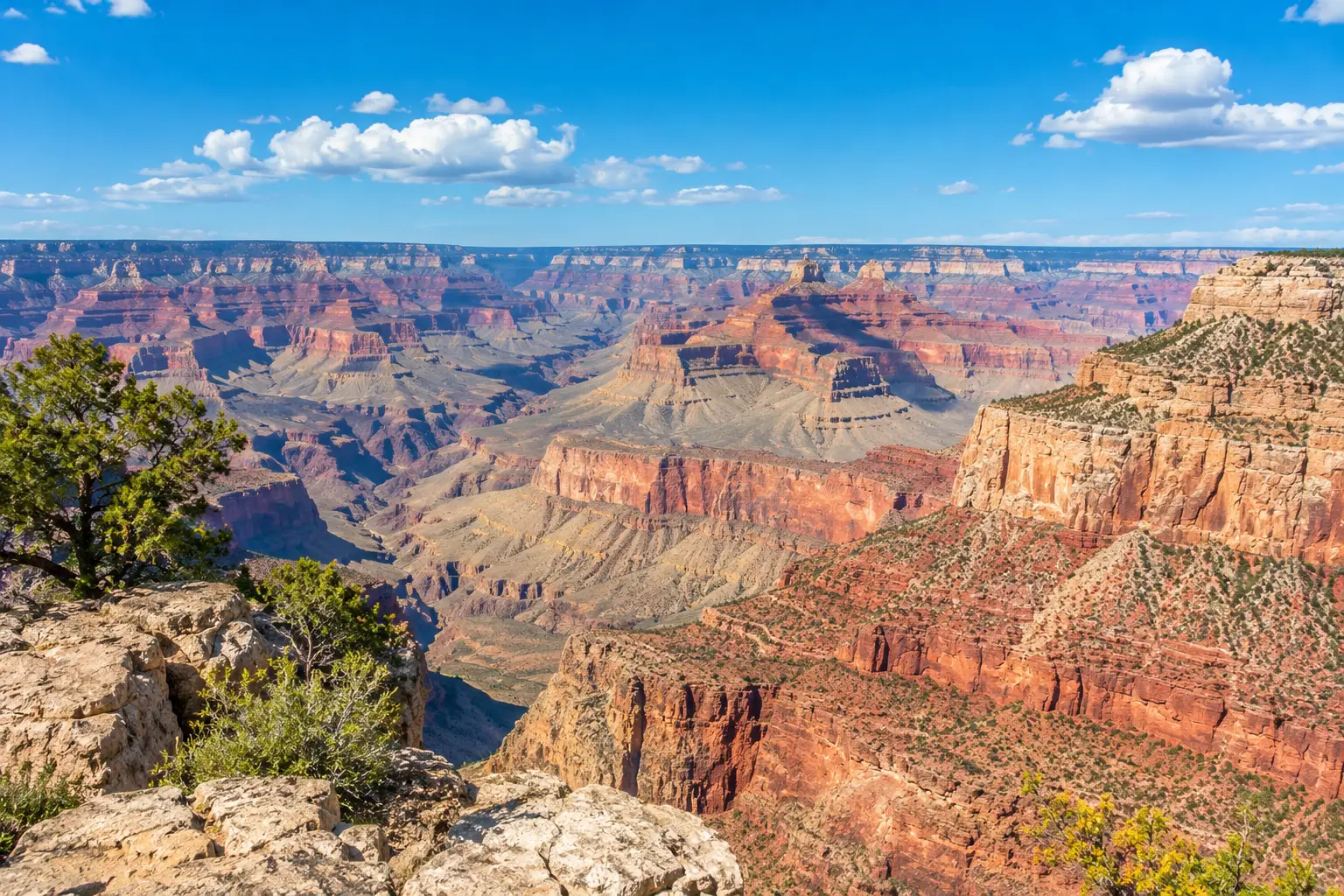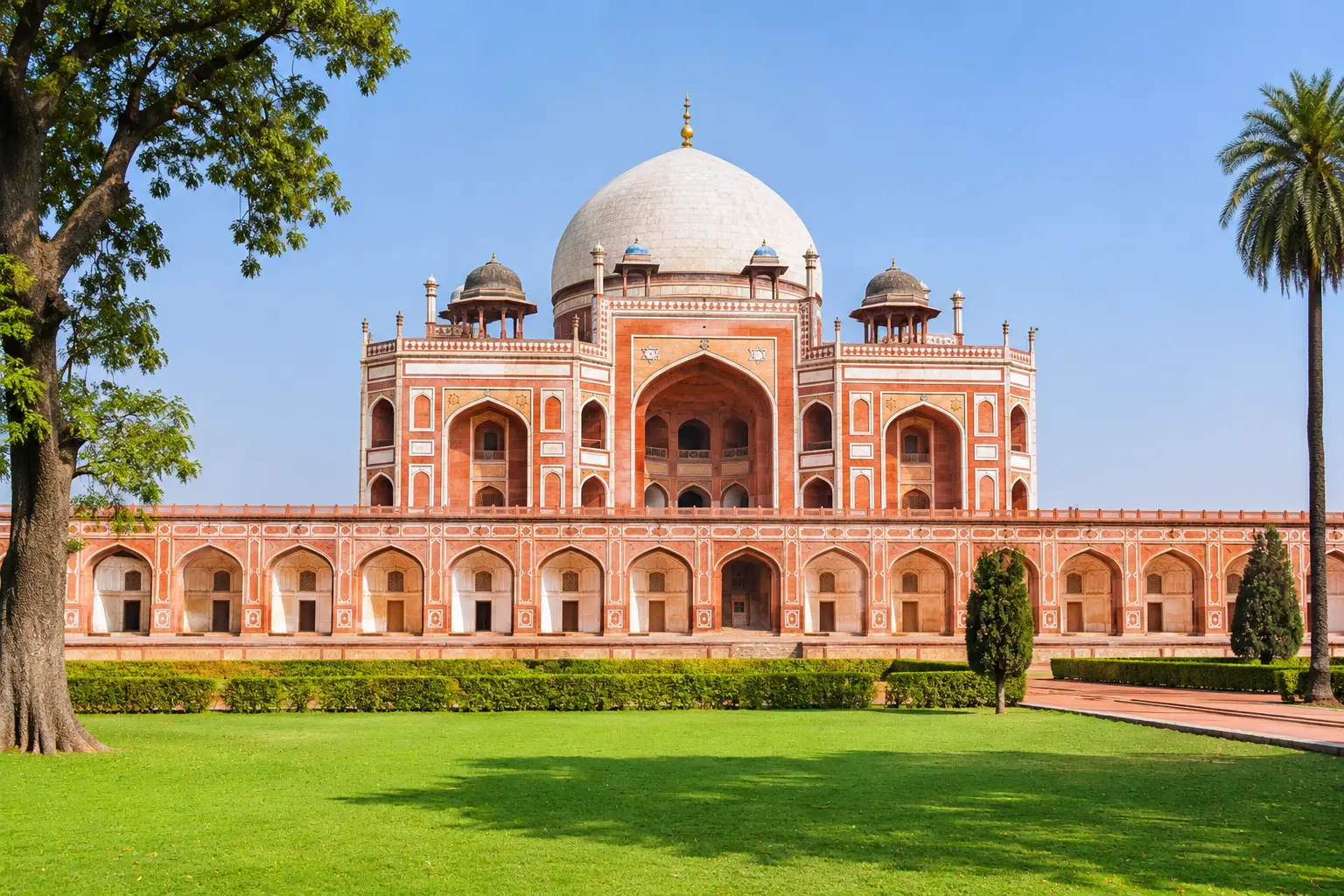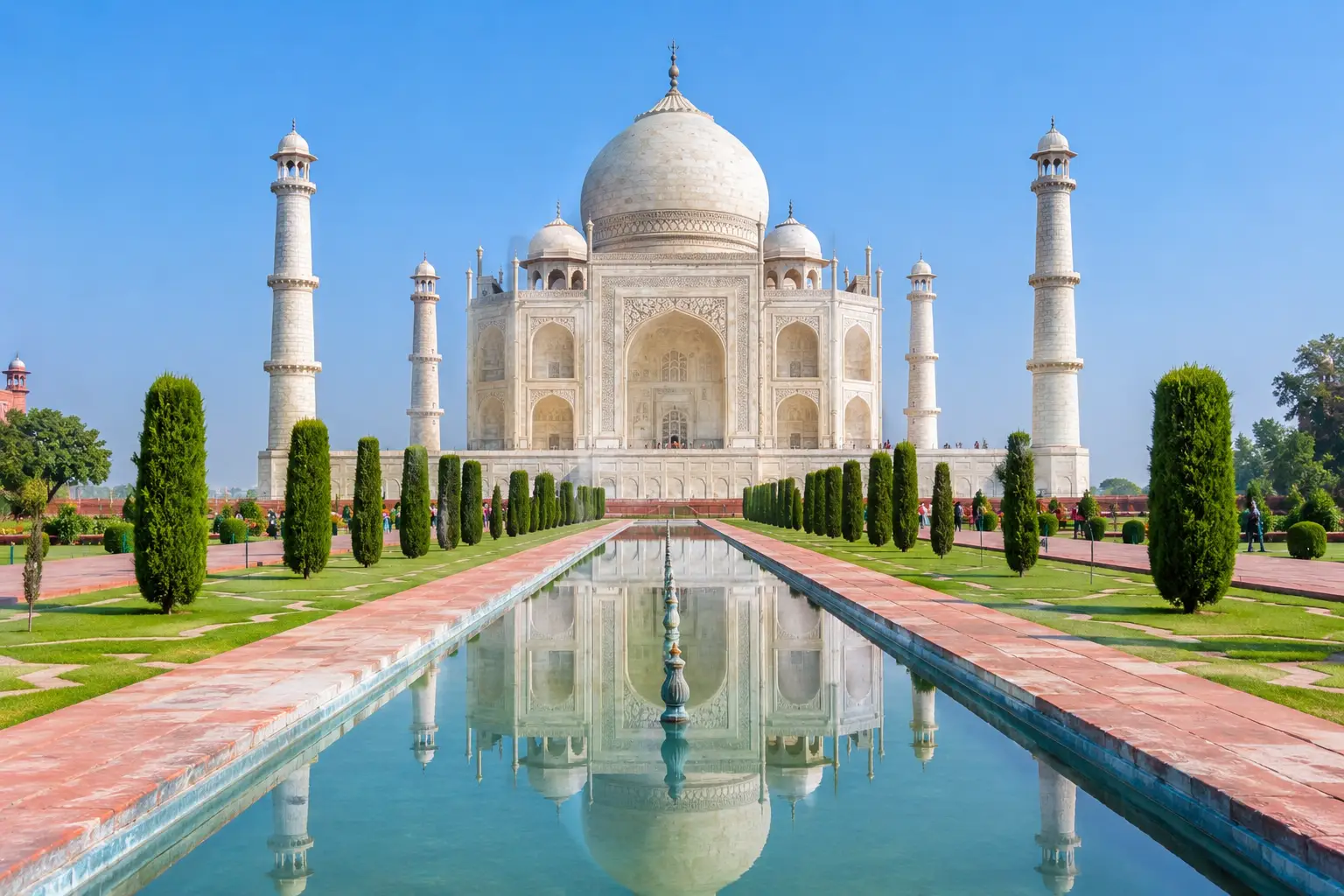
A World Heritage Site is a place that UNESCO has recognised as having Outstanding Universal Value, meaning it matters to all of humanity, not just to one country.
The idea grew from international campaigns to save monuments in the 1960s, including the rescue of the Abu Simbel temples in Egypt from rising waters behind the Aswan High Dam.
The 1972 Convention
UNESCO adopted the World Heritage Convention in 1972. Countries that sign it agree to identify, protect and preserve heritage sites within their borders.
The first twelve sites were inscribed in 1978. They included the Galápagos Islands, Yellowstone National Park and the old city of Kraków. Today the list has more than 1,200 sites in over 160 countries.
The ten criteria
To join the list, a site must meet at least one of ten criteria. Criteria i to vi are cultural; they include representing a masterpiece of human creative genius or bearing exceptional witness to a cultural tradition.
Criteria vii to x are natural. They cover superlative natural beauty, major stages of Earth's history, important ecological processes and significant habitats for biodiversity. Sites that meet both kinds are called mixed sites.
Nomination, danger and removal
A country first places a site on its Tentative List, then submits a detailed nomination. Advisory bodies evaluate it: ICOMOS for cultural sites and IUCN for natural sites. The World Heritage Committee makes the final decision at its annual meeting.
Sites facing serious threats can be placed on the List of World Heritage in Danger. In rare cases a site is removed altogether. Oman's Arabian Oryx Sanctuary, Germany's Dresden Elbe Valley and Liverpool in the United Kingdom have all been delisted.
| Step | Who is involved | What happens |
|---|---|---|
| Tentative List | The country | Lists sites it may nominate |
| Nomination | The country | Submits a detailed file |
| Evaluation | ICOMOS or IUCN | Assesses the site's value |
| Decision | World Heritage Committee | Inscribes, defers or rejects |
Check the process
0 / 4 answered
1Which advisory body evaluates natural sites?
Answer: IUCN. The International Union for Conservation of Nature evaluates natural sites.2Which advisory body evaluates cultural sites?
Answer: ICOMOS. The International Council on Monuments and Sites evaluates cultural sites.3Which Egyptian temples were moved in a famous 1960s rescue?
Answer: Abu Simbel. The campaign helped inspire the World Heritage Convention.4Which German site was removed from the list in 2009?
Answer: Dresden Elbe Valley. A four-lane bridge built through the valley led to its removal.
Frequently asked questions
Does listing bring money?
Listing brings recognition and can attract tourism. A World Heritage Fund offers limited support, mainly for countries that need help with protection, but the main responsibility stays with each country.
Value, criteria and care
A site joins the list for Outstanding Universal Value, measured against ten criteria. Keeping its place depends on how well it is protected.
Check the evidence behind the guide
Use these references to check terminology and pursue a topic in more depth. Photo quizzes help you practise observation; a single picture rarely proves a difficult identification.
Each UNESCO listing page gives the year of inscription, the criteria it meets and a short description. Check those details rather than relying on a travel photo alone.