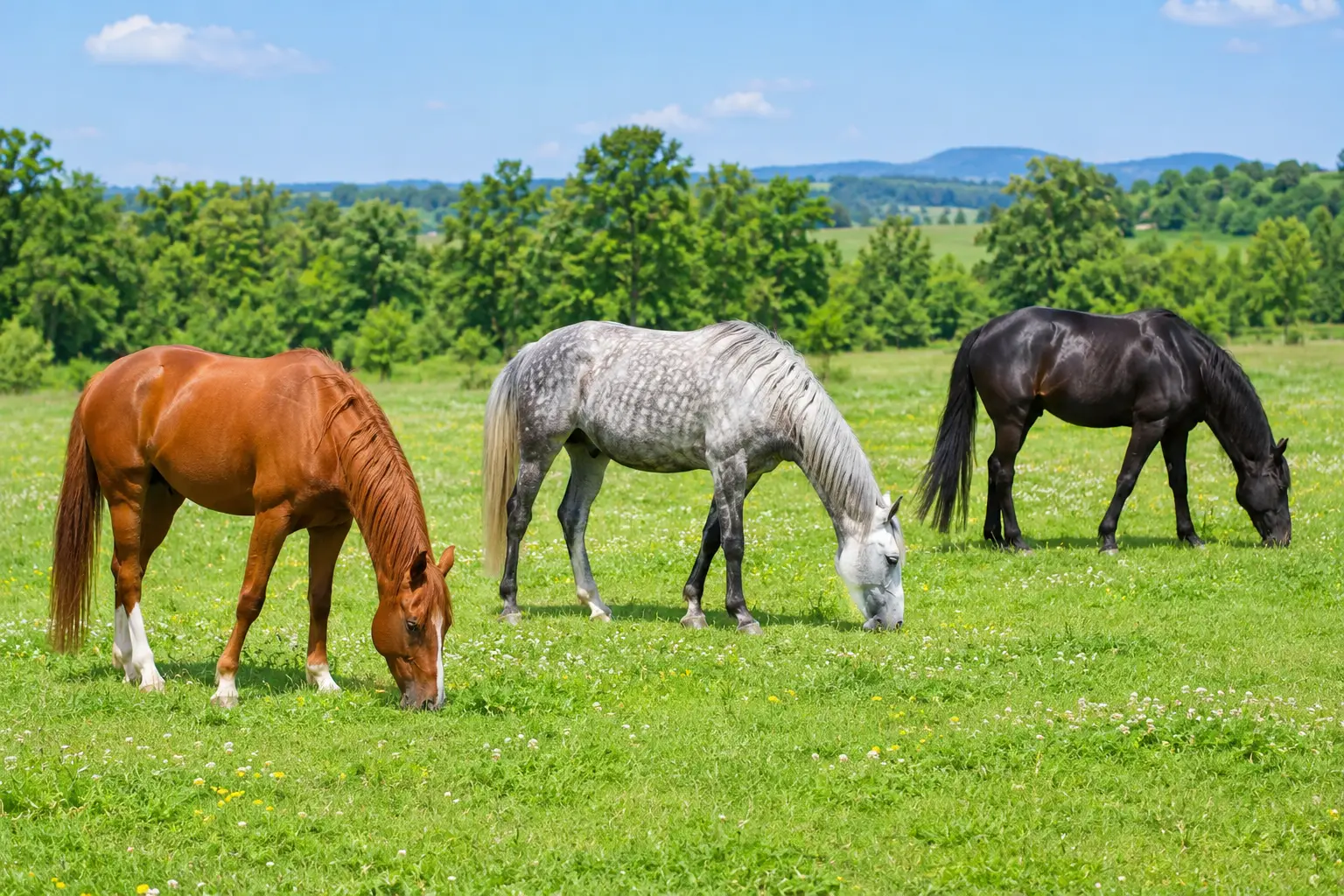
Horse colours have their own names, and they do not always match everyday words. A 'white' horse is usually grey, and a brown horse is usually bay.
Most horse colours start from three base colours. Other genes then lighten them, add white or create patterns. The UC Davis Veterinary Genetics Laboratory explains the genetics in detail.
Three base colours
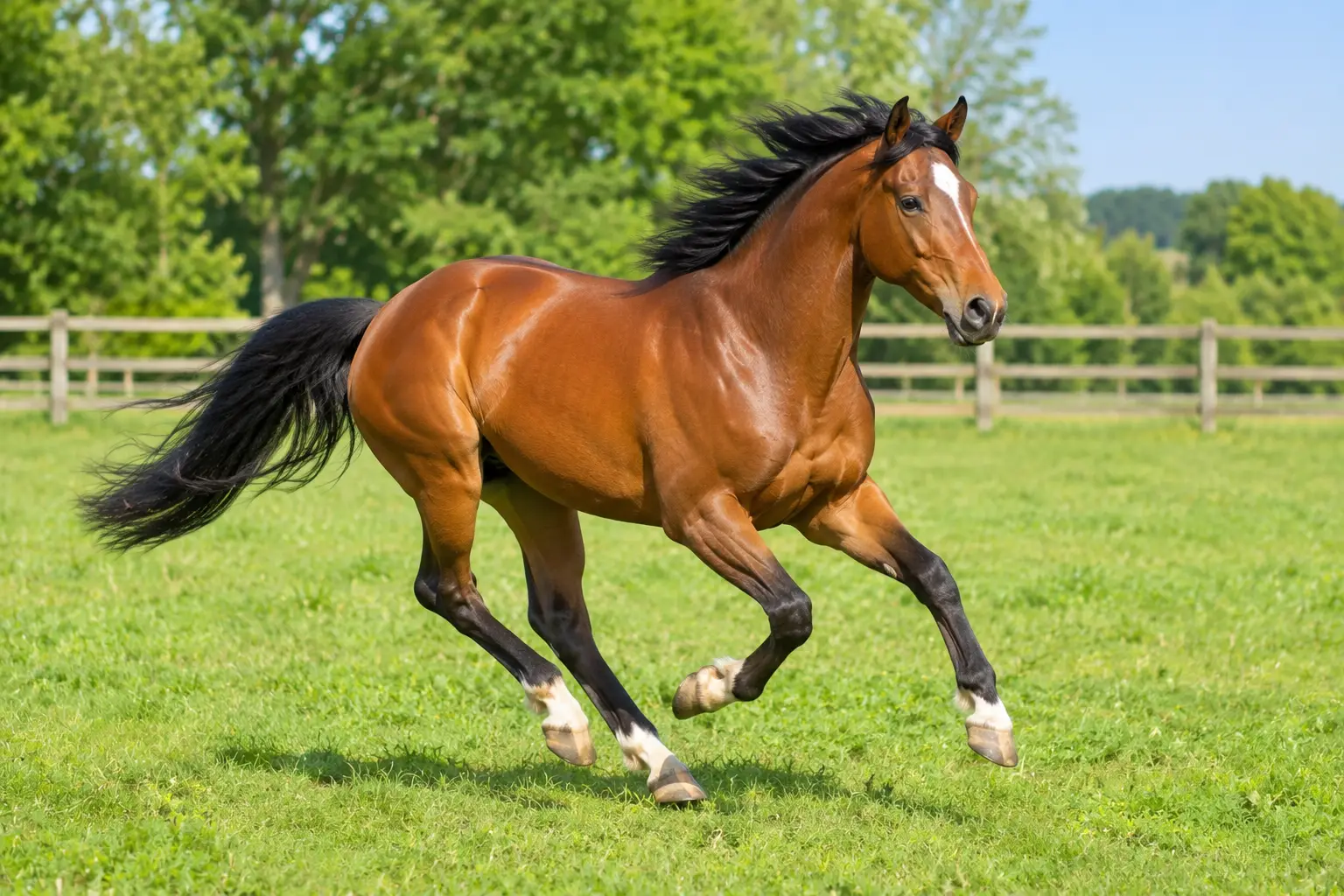
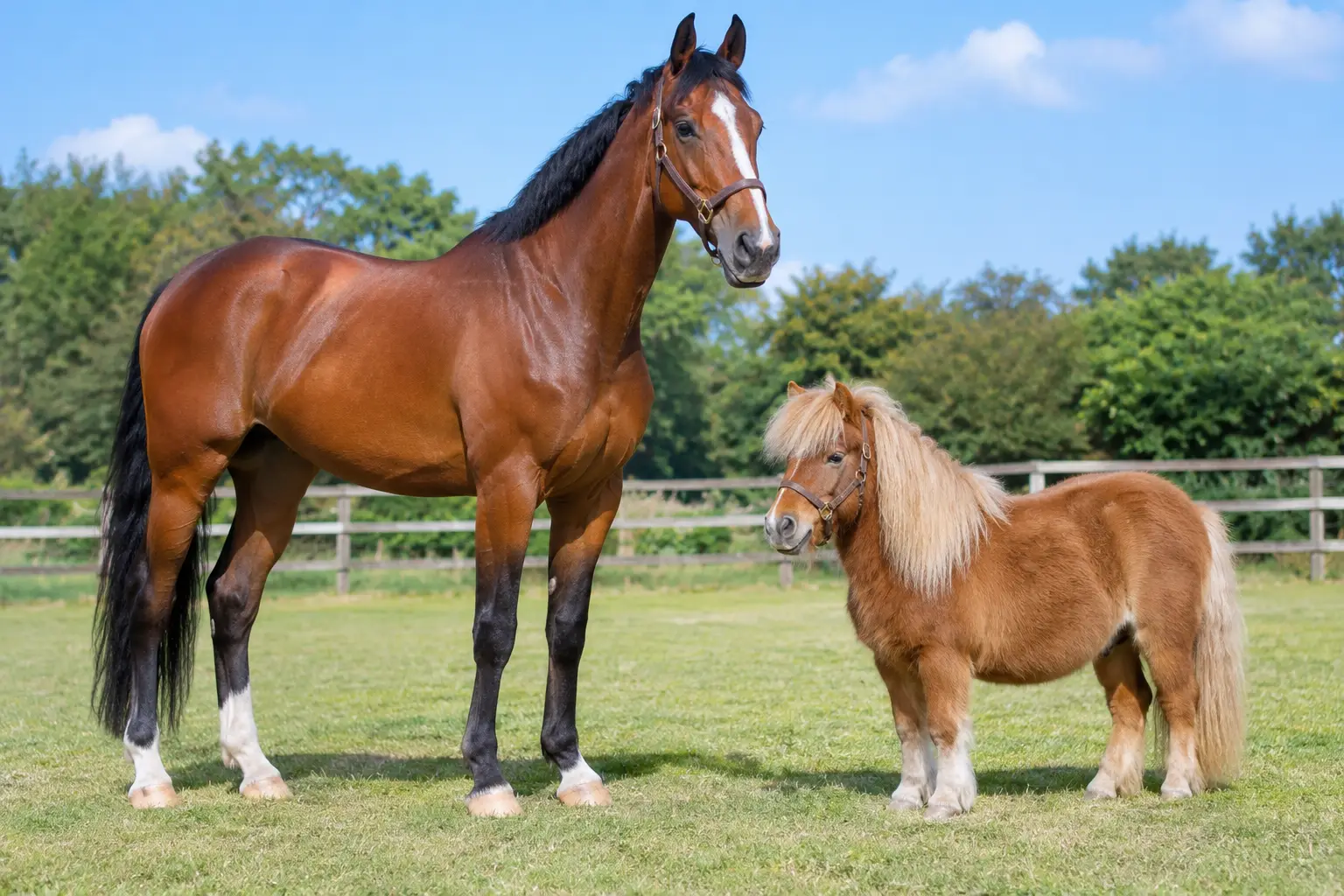
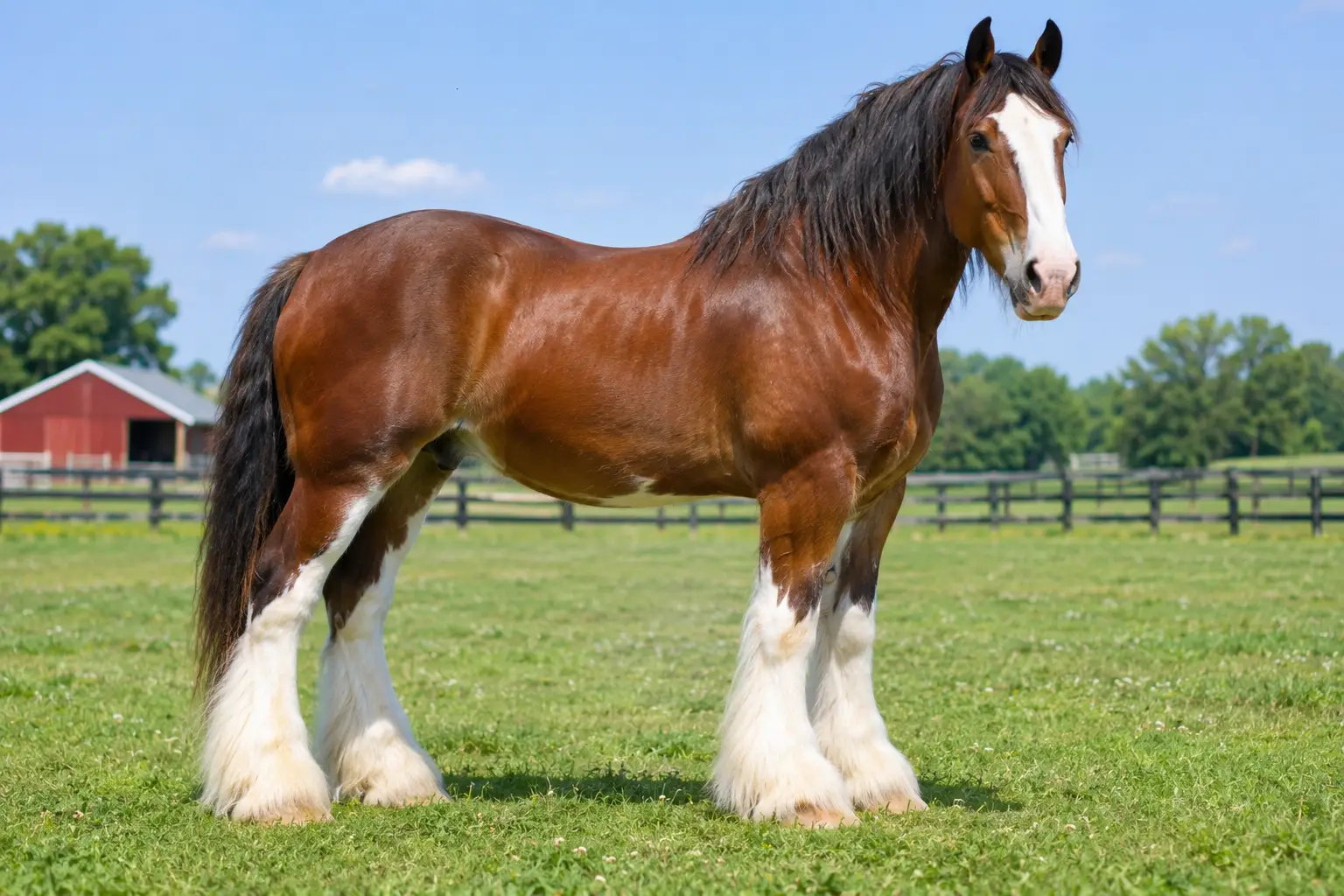
Black horses are black all over, including the muzzle and flanks. Bay horses have a brown or reddish body with black points: a black mane, tail and lower legs.
Chestnut horses are reddish with no black at all. Their mane and tail are the same colour as the body or lighter. Chestnut is recessive, so two chestnut parents normally produce a chestnut foal.
Dilutions: palomino, buckskin and dun
The cream gene lightens red and brown hair. One copy on a chestnut makes a palomino, golden with a white or flaxen mane and tail. One copy on a bay makes a buckskin, tan with black points.
The dun gene lightens the body but leaves primitive markings: a dark stripe along the spine and sometimes faint bars on the legs. Many wild-type horses, including the Przewalski's horse, are dun.
Grey, roan and spotted patterns
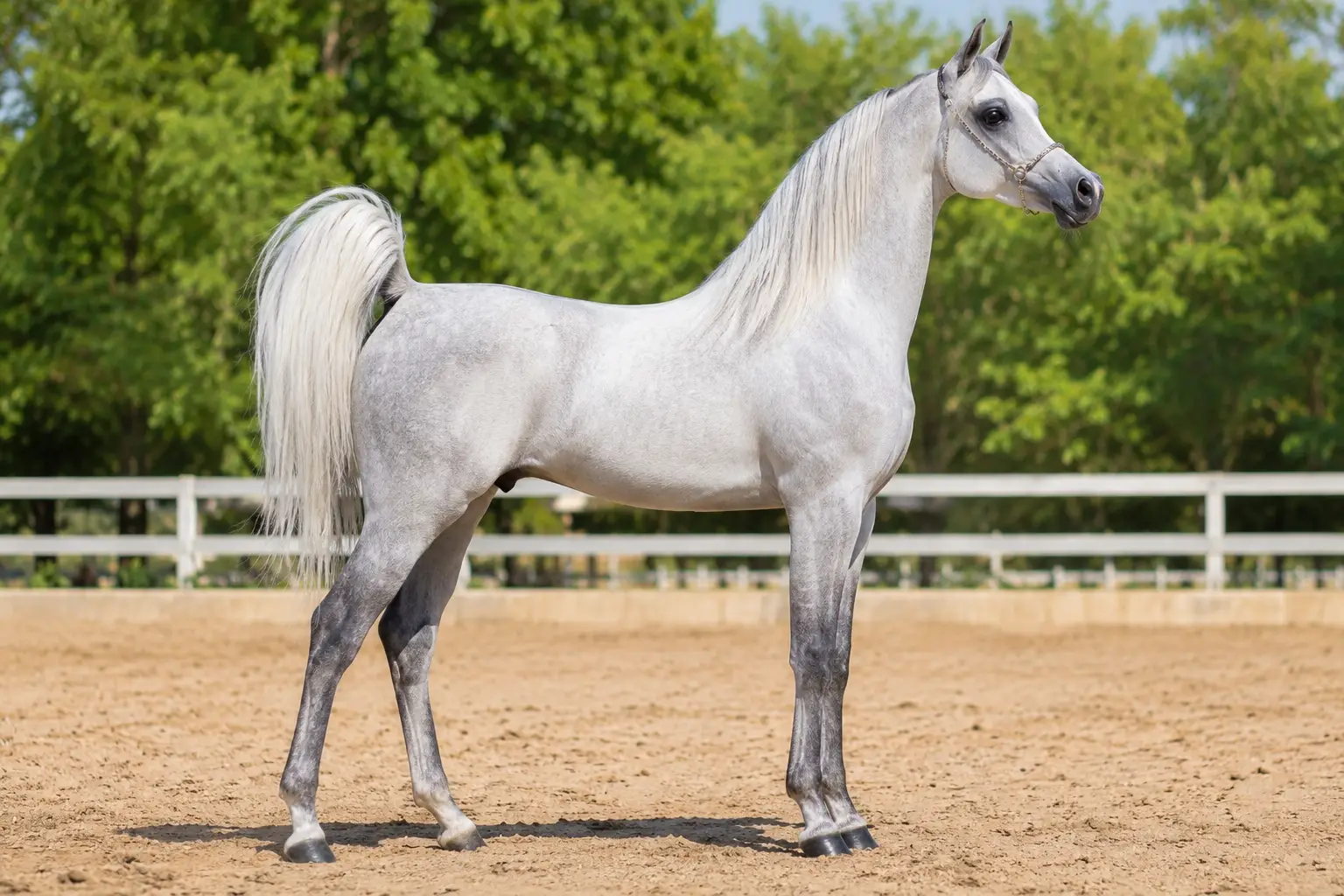
Grey is progressive. A grey foal is often born dark and lightens each year until it looks almost white. Lipizzaners are a famous example.
Roan horses have white hairs mixed evenly through the body, while the head and legs stay darker. Pinto or Paint horses have large patches of white and another colour. Appaloosas have leopard spots, blankets of white or mottled skin around the eyes and muzzle.
| Colour | Body | Mane and tail |
|---|---|---|
| Bay | Brown to reddish | Black |
| Chestnut | Reddish | Same or lighter |
| Palomino | Golden | White or flaxen |
| Buckskin | Tan | Black |
| Grey | Darkens to white with age | Lightens with the body |
Name the colour
0 / 4 answered
1What is the main difference between a bay and a chestnut?
Answer: A bay has black points. Black mane, tail and legs mean bay.2Which colour comes from one cream gene on a bay?
Answer: Buckskin. Buckskin is tan with black points.3What do most 'white' adult horses really have?
Answer: A grey coat. Grey horses lighten until they look white.4Which pattern has white hairs mixed evenly through a darker coat?
Answer: Roan. Roans keep a darker head and legs.
Frequently asked questions
Can a horse's colour change?
Grey horses lighten with age, and many horses look different in summer and winter coats. Base colour genes, though, do not change.
Start with the points
Check the mane, tail and lower legs first. Black points mean a bay-based colour; no black means a chestnut base. Then look for dilution, grey or pattern.
Check the evidence behind the guide
Use these references to check terminology and pursue a topic in more depth. Photo quizzes help you practise observation; a single picture rarely proves a difficult identification.
When a source describes a broad group, compare its details with the exact species, model or specimen you are studying. Record the feature that supports your answer rather than relying on a name alone.