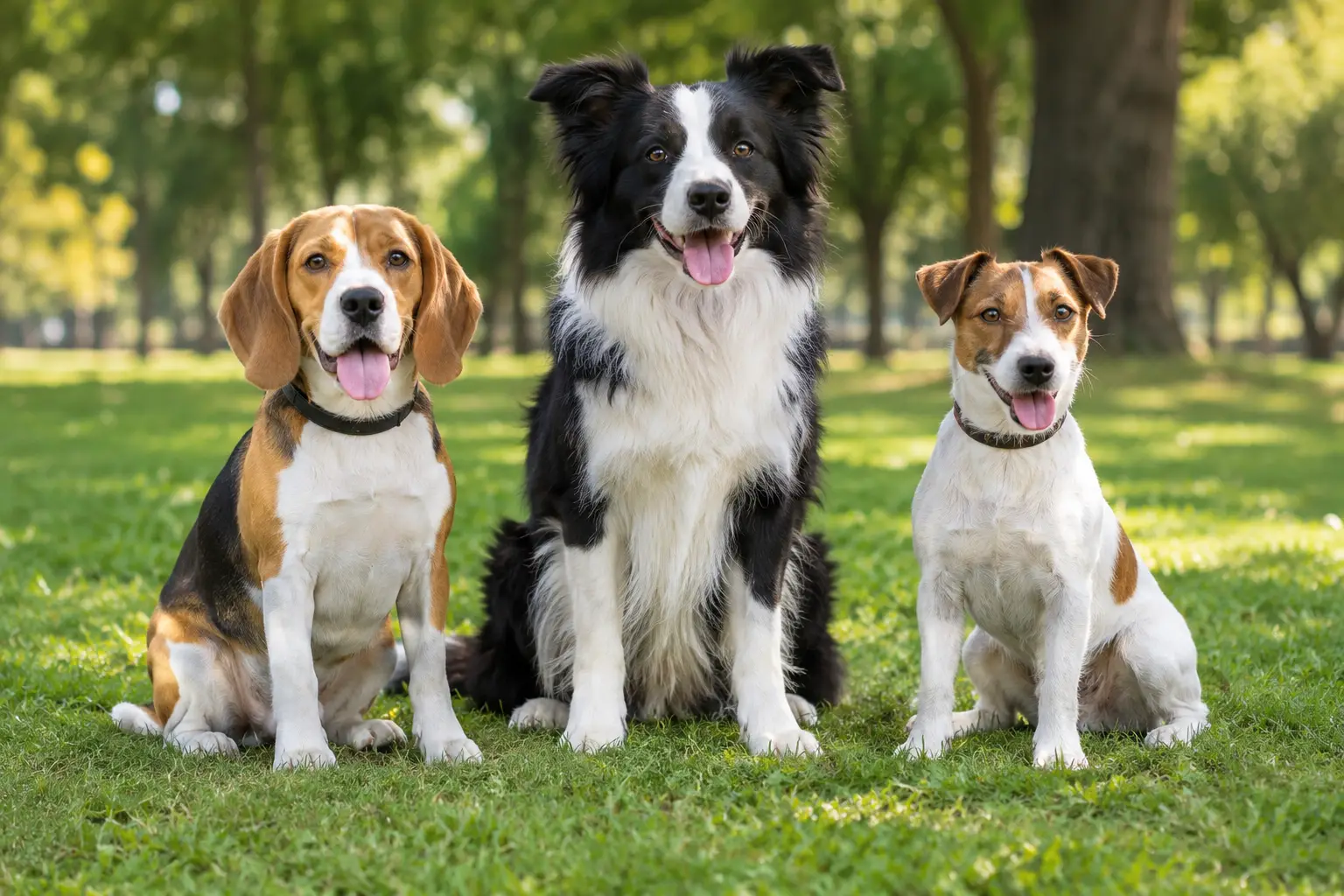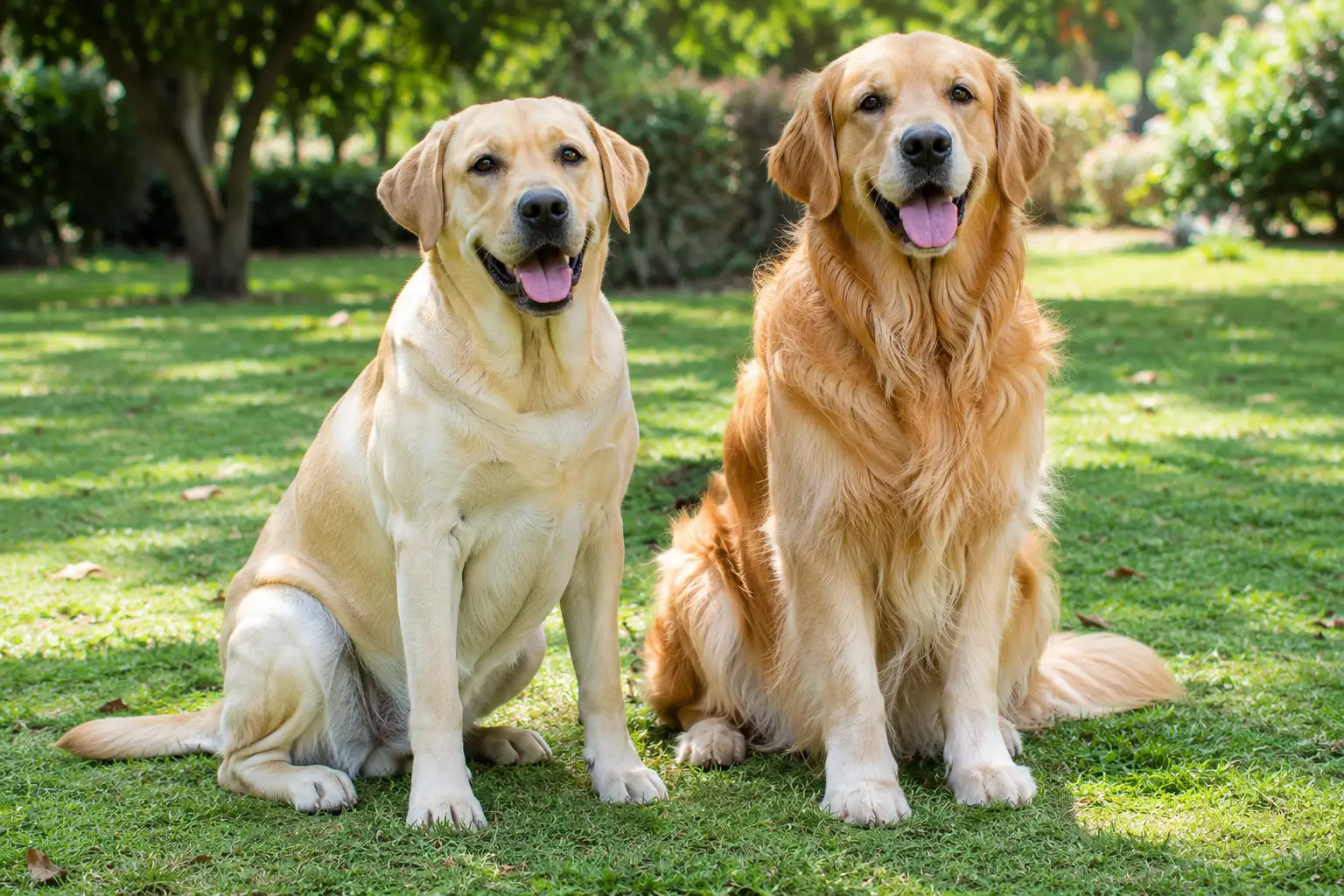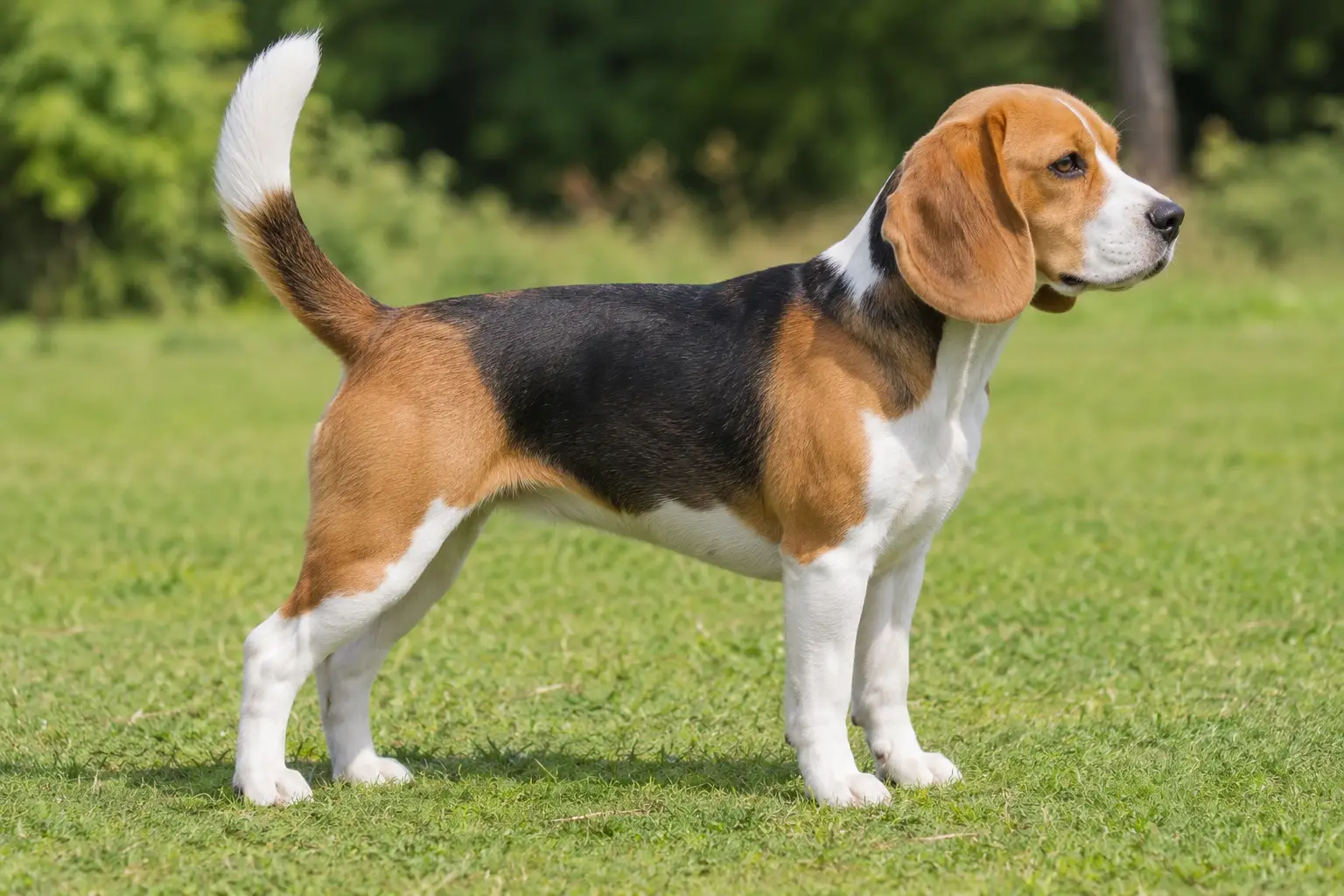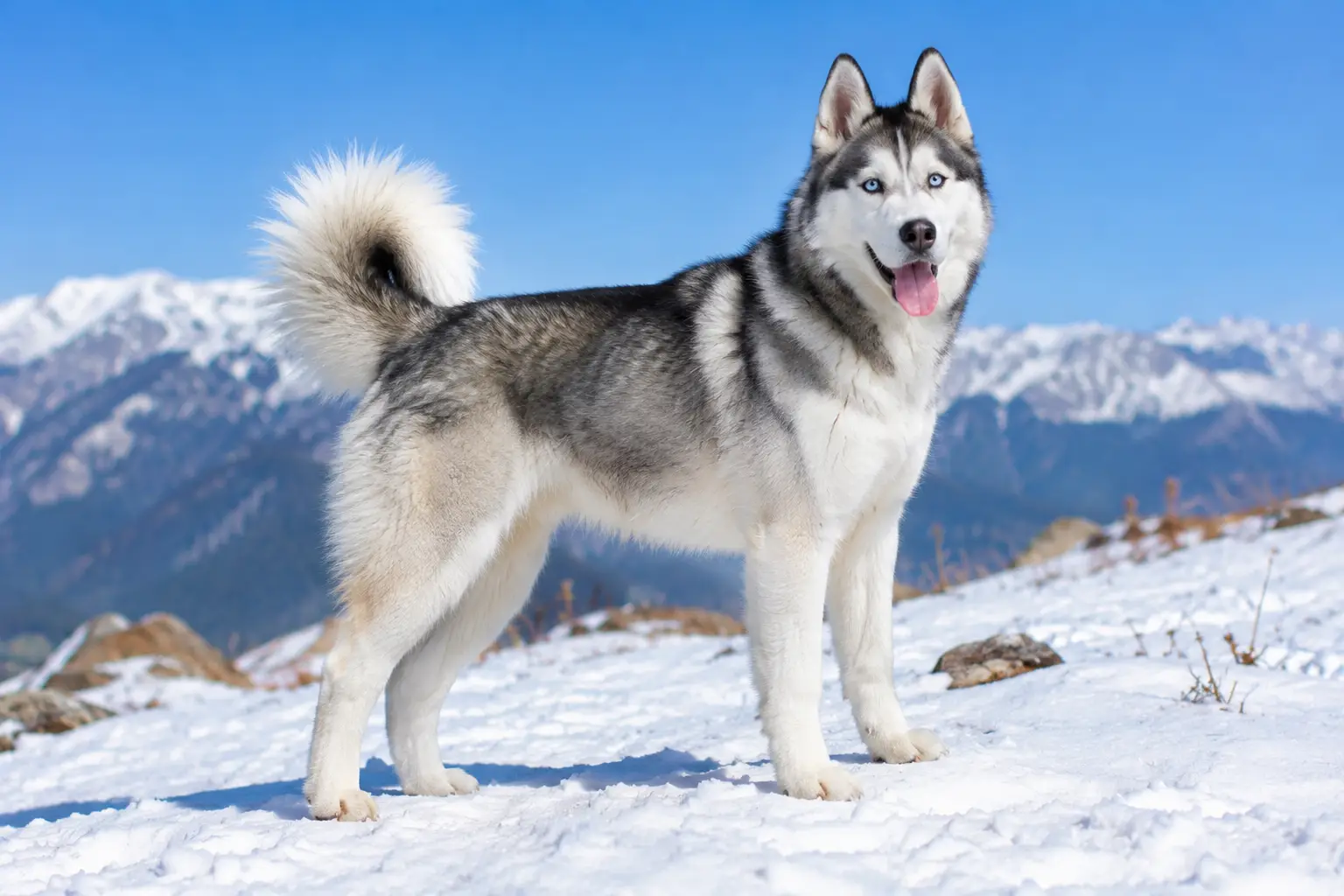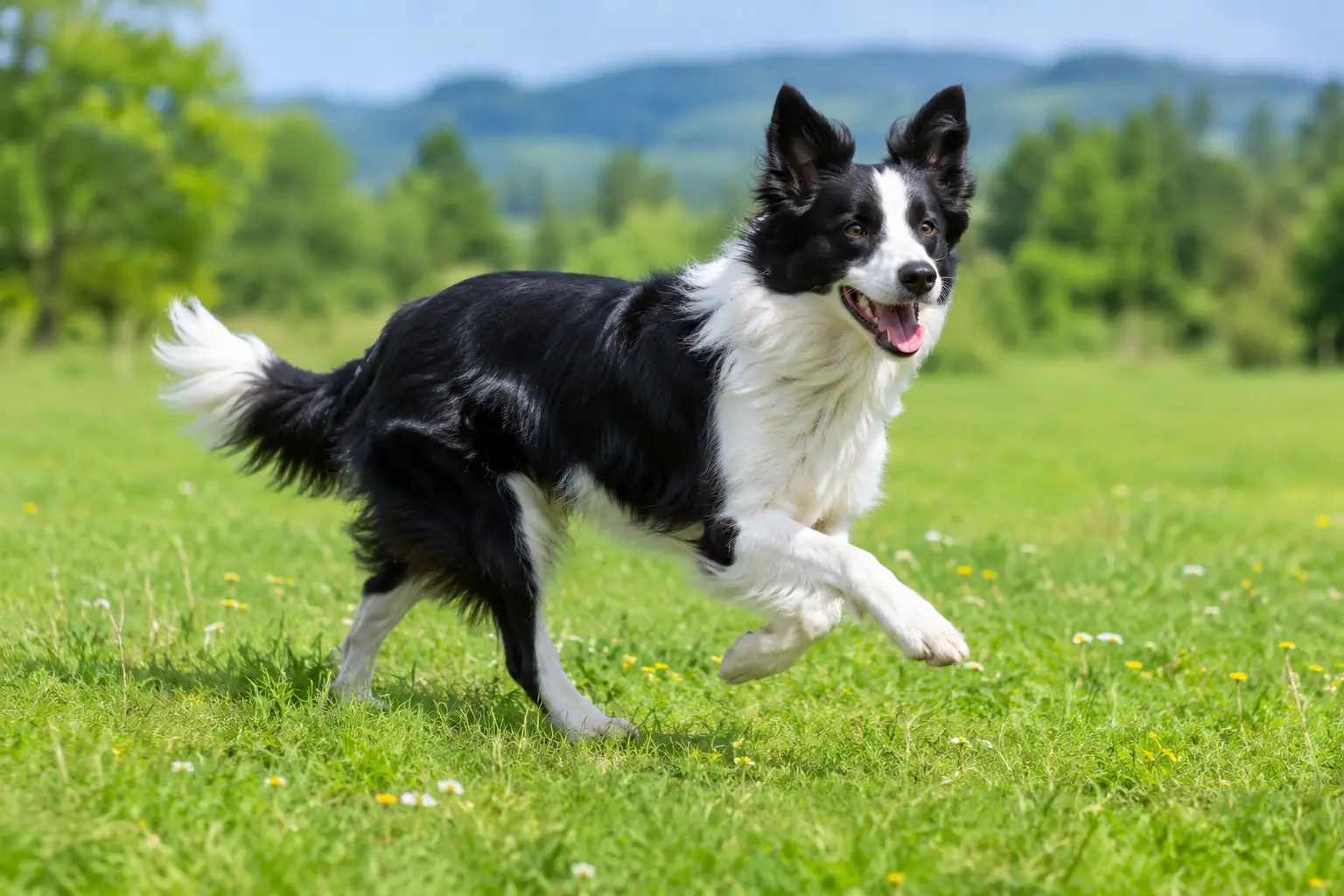
Every dog breed was shaped for a purpose: retrieving game, following a scent, herding sheep, pulling sleds or simply keeping people company.
These twenty-five questions cover the kennel club groups, the places breeds come from and the features that make them recognisable. Each answer has a short explanation.
Quick takeaways
- Breed groups reflect the job a dog was bred for.
- Many breed names hide surprising origins.
- Ears, coat and tail are quick identification clues.
Breed groups
Kennel clubs sort breeds into groups based on their original work.
1In which American Kennel Club group is the Labrador Retriever?
Answer: Sporting Group. Sporting breeds such as retrievers, pointers and spaniels were developed to help hunters find and fetch game.2In which AKC group is the Beagle?
Answer: Hound Group. The Beagle is a scent hound, bred to follow the trail of rabbits and hares by smell.3In which AKC group is the Border Collie?
Answer: Herding Group. Herding breeds control the movement of livestock; the Border Collie is famous for its intense stare, called 'eye'.4In which AKC group is the Siberian Husky?
Answer: Working Group. Working breeds were developed for jobs such as pulling sleds, guarding property and rescue.5In which AKC group is the Chihuahua?
Answer: Toy Group. Toy breeds are small companion dogs; the Chihuahua is one of the smallest breeds of all.6In which AKC group is the Dalmatian?
Answer: Non-Sporting Group. The Non-Sporting Group collects breeds with varied histories, including the Dalmatian, Poodle and Bulldog.7How many main breed groups does the American Kennel Club use?
Answer: Seven. The AKC groups are Sporting, Hound, Working, Terrier, Toy, Non-Sporting and Herding.8How many breed groups does the international FCI use?
Answer: Ten. The Fédération Cynologique Internationale divides its recognised breeds into ten groups.
Where breeds come from
Breed names can point to a country, a city or even the wrong place.
9Which country does the Chihuahua take its name from?
Answer: Mexico. The breed is named after the Mexican state of Chihuahua.10Which country is the Shiba Inu from?
Answer: Japan. The Shiba Inu is a small, ancient Japanese hunting breed with a curled tail.11Which breed, known as the 'barkless dog', comes from Central Africa?
Answer: Basenji. The Basenji yodels rather than barks, because of the shape of its larynx.12Which country is the Pembroke Welsh Corgi from?
Answer: Wales. Corgis were bred to herd cattle; their short legs helped them dodge kicks.13What does the German name 'Dachshund' mean?
Answer: Badger dog. Dachshunds were bred to follow badgers into their burrows.14Which breed is linked with rescue work at a high pass in the Swiss Alps?
Answer: Saint Bernard. Monks at the Great St Bernard Hospice kept these dogs to help find lost travellers.15Despite its name, in which country was the Great Dane developed?
Answer: Germany. The Great Dane was developed in Germany to hunt wild boar.16The Labrador Retriever's ancestors came from which Canadian island?
Answer: Newfoundland. The breed descends from water dogs of Newfoundland and was refined in Britain.17Where was the Australian Shepherd actually developed?
Answer: The western United States. Despite the name, the breed was developed on ranches in the American West.
Famous traits and jobs
Finish with the features and jobs that made certain breeds famous.
18Which breed is known for a blue-black tongue?
Answer: Chow Chow. The Chow Chow from China is one of the few breeds with a blue-black tongue.19Which breed is famous as the fastest dog over short distances?
Answer: Greyhound. Greyhounds are sighthounds and can reach about 70 km/h in a sprint.20Which hound is most famous for following human scent trails?
Answer: Bloodhound. Bloodhounds have long been used to track missing people because of their exceptional sense of smell.21What job was the Standard Poodle originally bred for?
Answer: Retrieving ducks from water. The Poodle began as a German water retriever; its traditional clip kept joints warm while swimming.22Which spotted breed once ran beside horse-drawn carriages?
Answer: Dalmatian. Dalmatians were 'coach dogs' that guarded carriages and horses.23Which breed has a stripe of hair along its back that grows in the opposite direction?
Answer: Rhodesian Ridgeback. The ridge is the breed's defining feature and gives it its name.24Which tail shape is typical of spitz breeds such as the Akita and Siberian Husky?
Answer: Carried curled or sickle-shaped over the back. Spitz breeds from cold regions often carry a bushy tail over the back.25Which toy breed was a favourite of the Chinese imperial court?
Answer: Pekingese. The Pekingese is named after Peking, now Beijing.
Five final dog questions
0 / 5 answered
1Which group would you expect a spaniel to belong to?
Answer: Sporting Group. Spaniels flush and retrieve game birds, so they are sporting dogs.2Which sense do scent hounds rely on most?
Answer: Smell. Scent hounds follow trails by smell, while sighthounds hunt by sight.3Which breed was developed in Germany as a police and herding dog in the late 1800s?
Answer: German Shepherd. Max von Stephanitz founded the German Shepherd breed in 1899.4What kind of coat does a Siberian Husky have?
Answer: A thick double coat. A dense undercoat and longer guard hairs protect it in the cold.5Which breed is the smallest of these four?
Answer: Chihuahua. Chihuahuas usually weigh no more than about 3 kg.
Frequently asked questions
Do the AKC and the UK Kennel Club use the same groups?
Not quite. Both use seven groups, but the names and placements differ. The UK Kennel Club has Gundog, Hound, Pastoral, Terrier, Toy, Utility and Working groups.
Start with the job
Ask what a breed was made to do and much of the rest follows: its group, its build, its coat and even its temperament.
Check the evidence behind the guide
Use these references to check terminology and pursue a topic in more depth. Photo quizzes help you practise observation; a single picture rarely proves a difficult identification.
When a source describes a broad group, compare its details with the exact species, model or specimen you are studying. Record the feature that supports your answer rather than relying on a name alone.