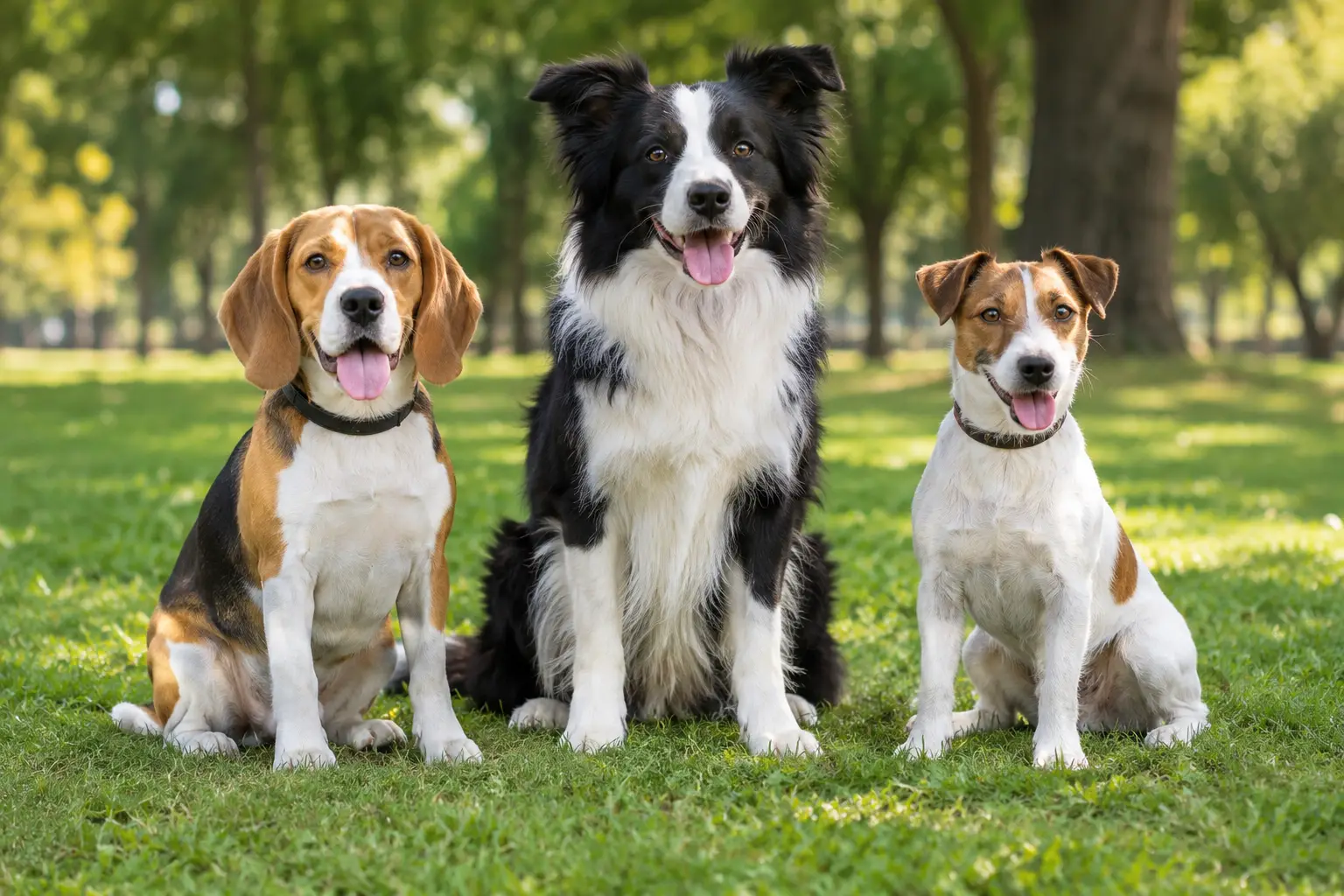
The American Kennel Club recognises more than 200 breeds. To make sense of them, it sorts them into seven groups based on the work each breed was developed to do.
Knowing the group tells you a lot about a dog's energy, instincts and needs. A herding dog wants a job, a scent hound wants to follow its nose and a toy breed was made for companionship.
Sporting and hound groups
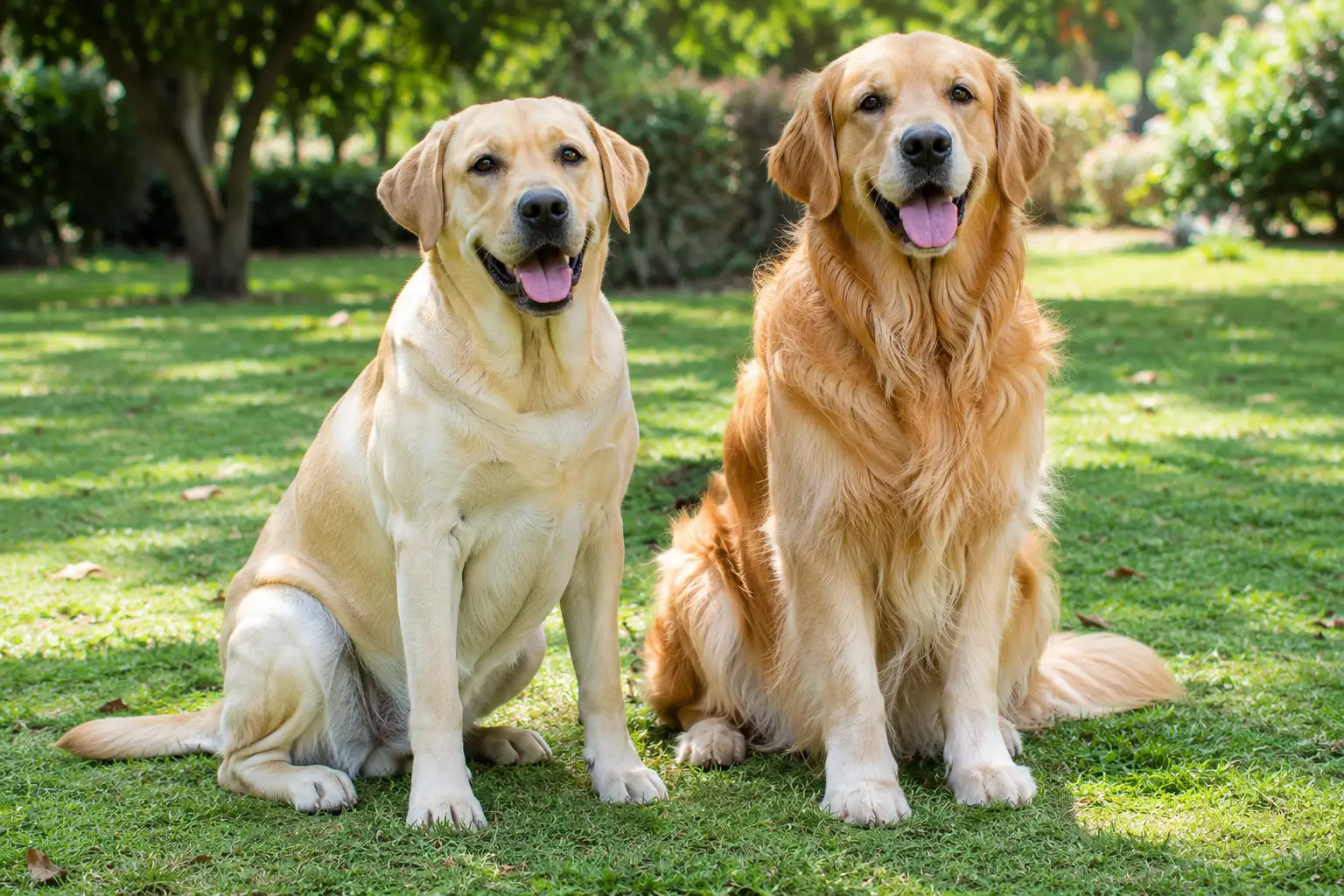
Sporting dogs, also called gundogs, work with hunters. Pointers and setters find birds, spaniels flush them out and retrievers bring them back. Labradors, Golden Retrievers and Cocker Spaniels are all sporting breeds.
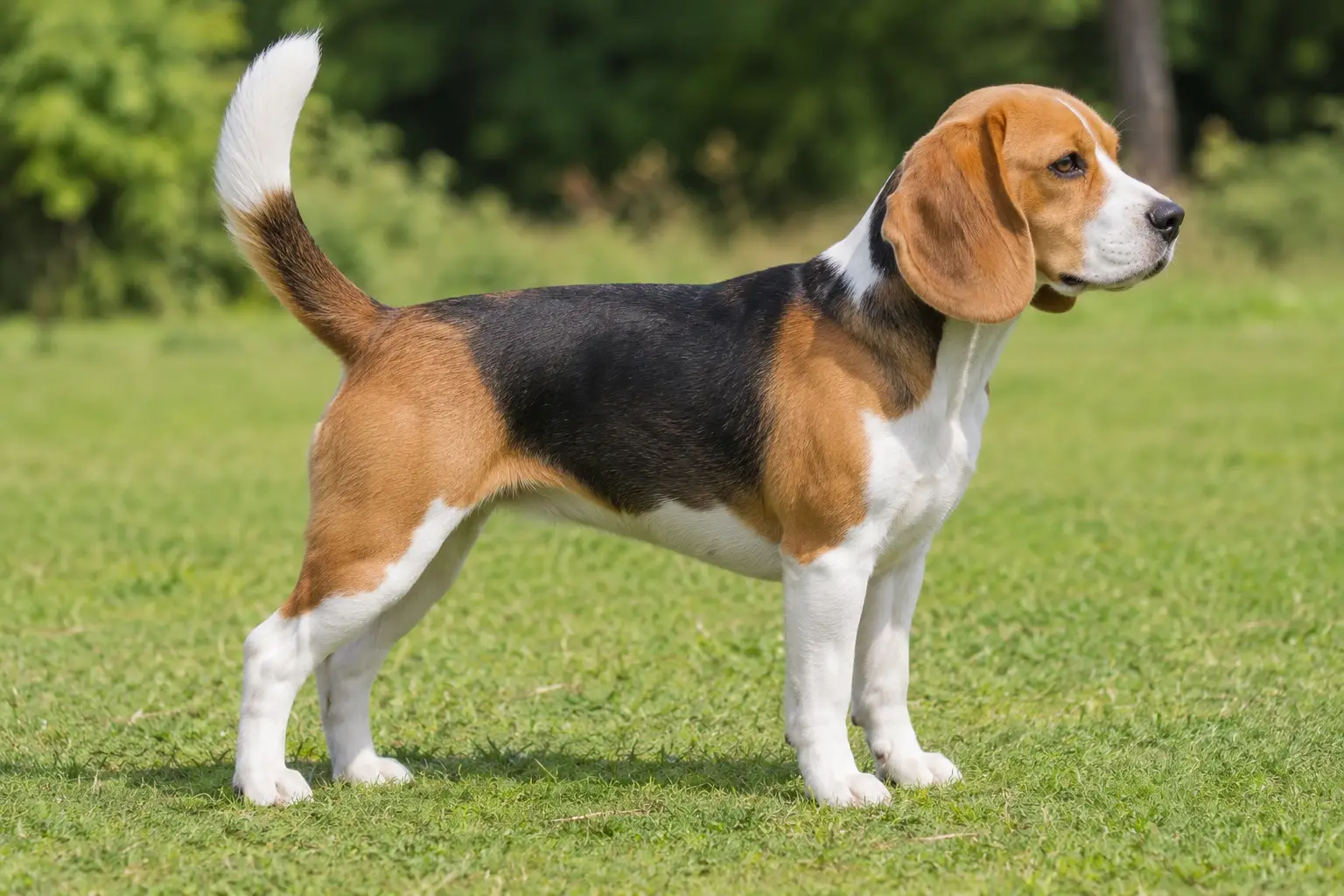
Hounds hunt more independently. Scent hounds such as the Beagle and Bloodhound follow a trail by smell. Sighthounds such as the Greyhound and Saluki spot prey at a distance and chase it at high speed.
Working, herding and terrier groups
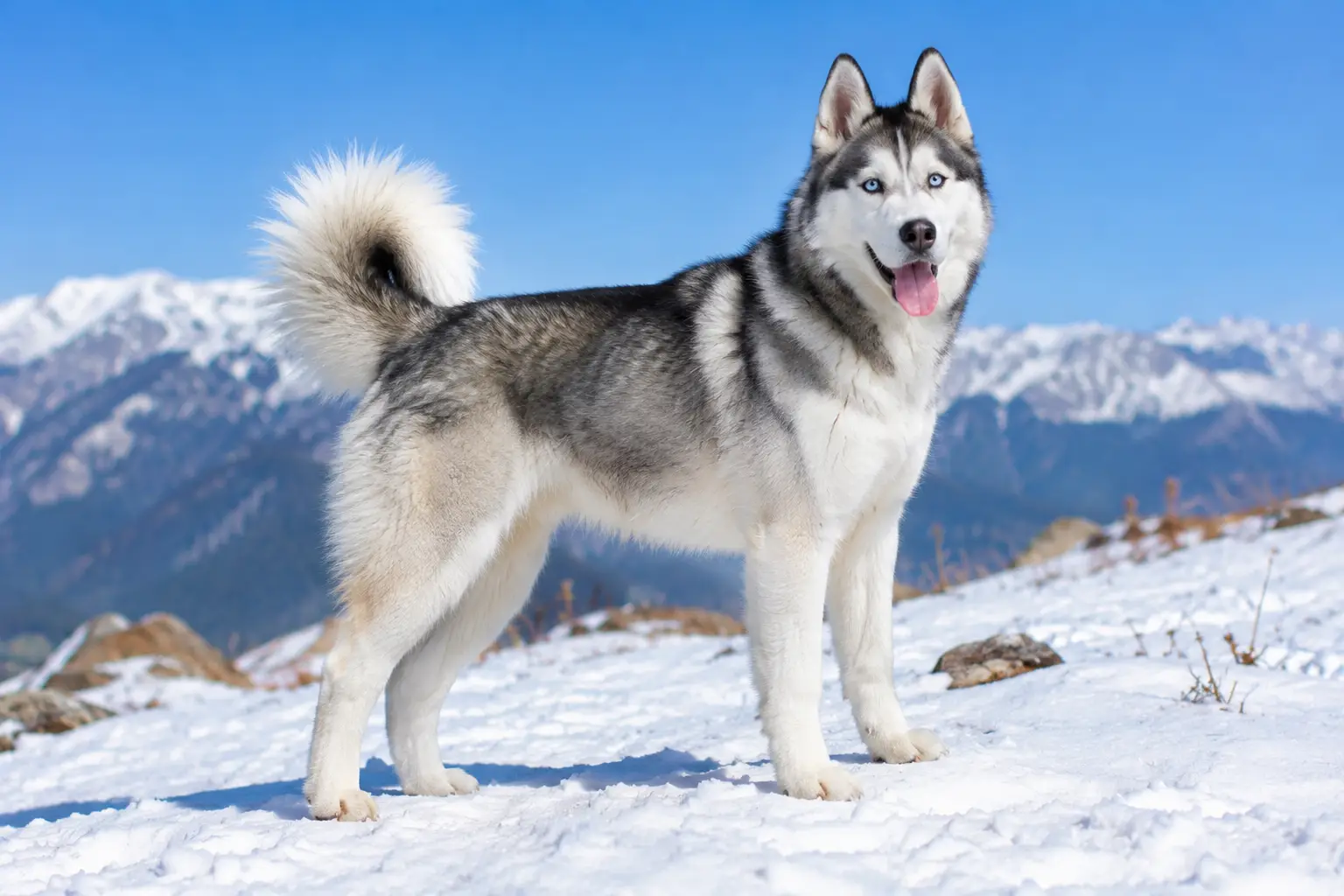
Working dogs are usually large and strong. They guard property, pull sleds and carts, and perform rescues. The Siberian Husky, Boxer, Saint Bernard and Doberman Pinscher are in this group.
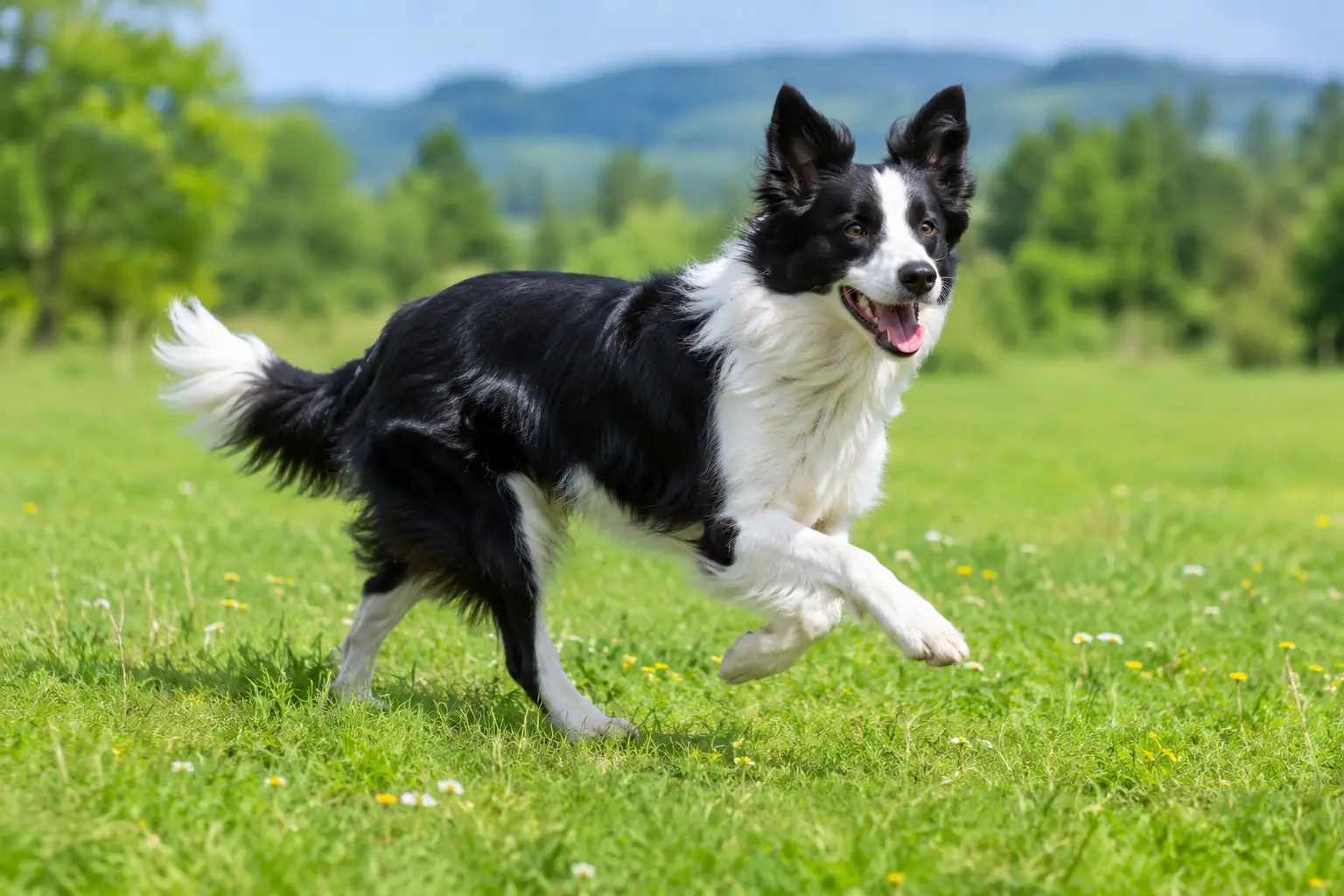
Herding dogs move livestock. Some, like the Border Collie, gather sheep with a fixed stare; others, like the Corgi, nip at the heels of cattle. Terriers were bred to hunt rats, foxes and other animals that live underground, which explains their bold, determined nature.
Toy and non-sporting groups
Toy breeds are small dogs kept mainly as companions, such as the Chihuahua, Pug and Pomeranian. Some are miniature versions of larger working breeds.
The Non-Sporting Group holds breeds that do not fit elsewhere, including the Dalmatian, Bulldog, Poodle and Chow Chow. The international FCI uses ten groups instead of seven, splitting some categories more finely.
| AKC group | Original job | Example breeds |
|---|---|---|
| Sporting | Find and retrieve game birds | Labrador, Cocker Spaniel |
| Hound | Hunt by scent or sight | Beagle, Greyhound |
| Working | Guard, pull and rescue | Siberian Husky, Boxer |
| Terrier | Hunt vermin | Jack Russell, Scottish Terrier |
| Toy | Companionship | Chihuahua, Pug |
| Non-Sporting | Varied | Dalmatian, Bulldog |
| Herding | Move livestock | Border Collie, Corgi |
Sort the breeds
0 / 4 answered
1Which group were terriers originally bred to fill?
Answer: Hunting vermin. Terriers chased rats, foxes and badgers, often underground.2What is the difference between scent hounds and sighthounds?
Answer: One tracks by smell, the other by sight. Beagles track by smell; Greyhounds chase what they see.3Which group includes the Boxer and the Saint Bernard?
Answer: Working Group. Both are large breeds developed for guarding and rescue work.4How many groups does the FCI use?
Answer: Ten. The FCI divides breeds into ten groups.
Frequently asked questions
Where do mixed-breed dogs fit?
Mixed-breed dogs are not placed in a group, but knowing the groups of their likely ancestors can help explain their energy and instincts.
Groups describe the original work
Each group reflects the job a breed was made for. Remember the job and you can place most breeds in the right group.
Check the evidence behind the guide
Use these references to check terminology and pursue a topic in more depth. Photo quizzes help you practise observation; a single picture rarely proves a difficult identification.
When a source describes a broad group, compare its details with the exact species, model or specimen you are studying. Record the feature that supports your answer rather than relying on a name alone.