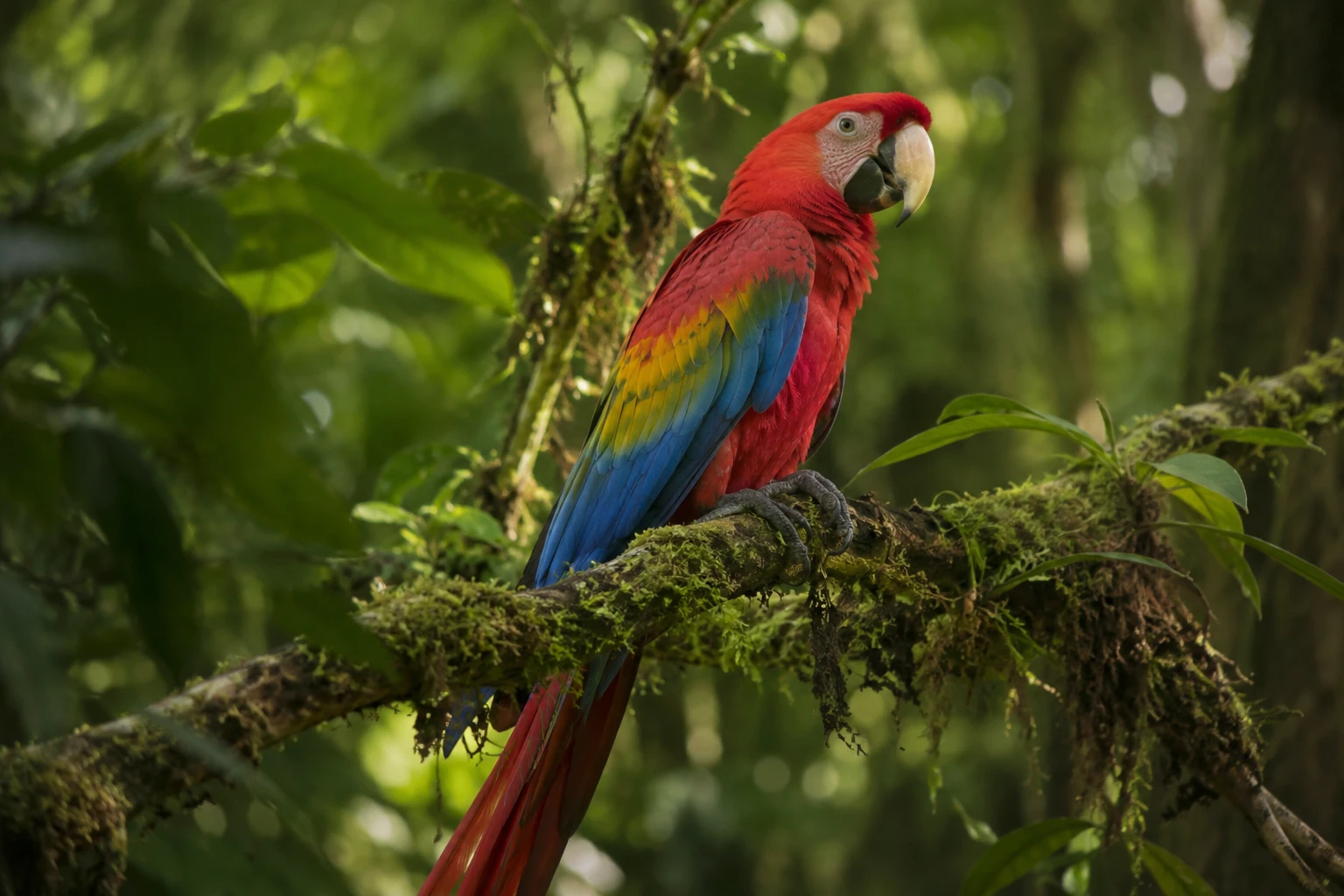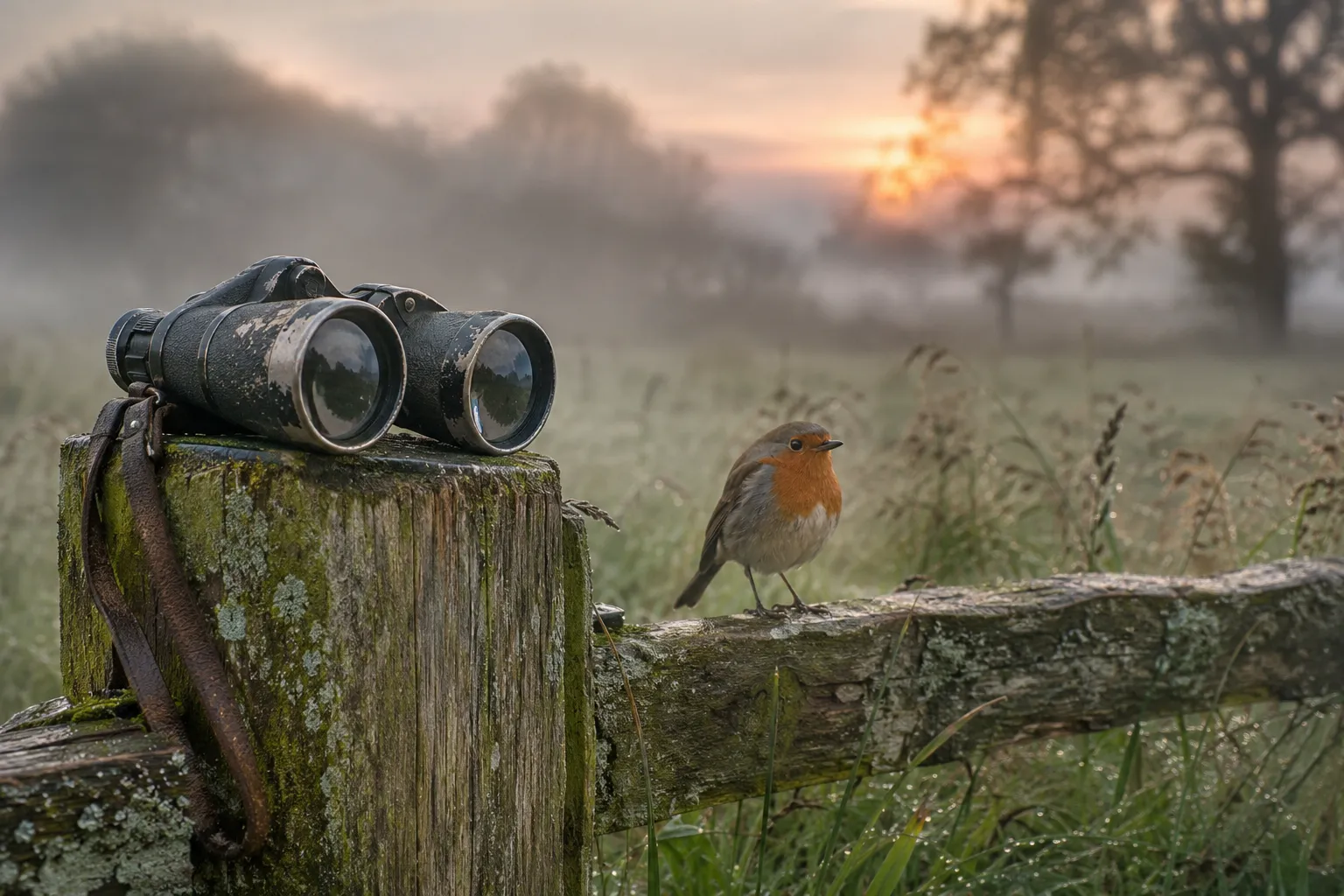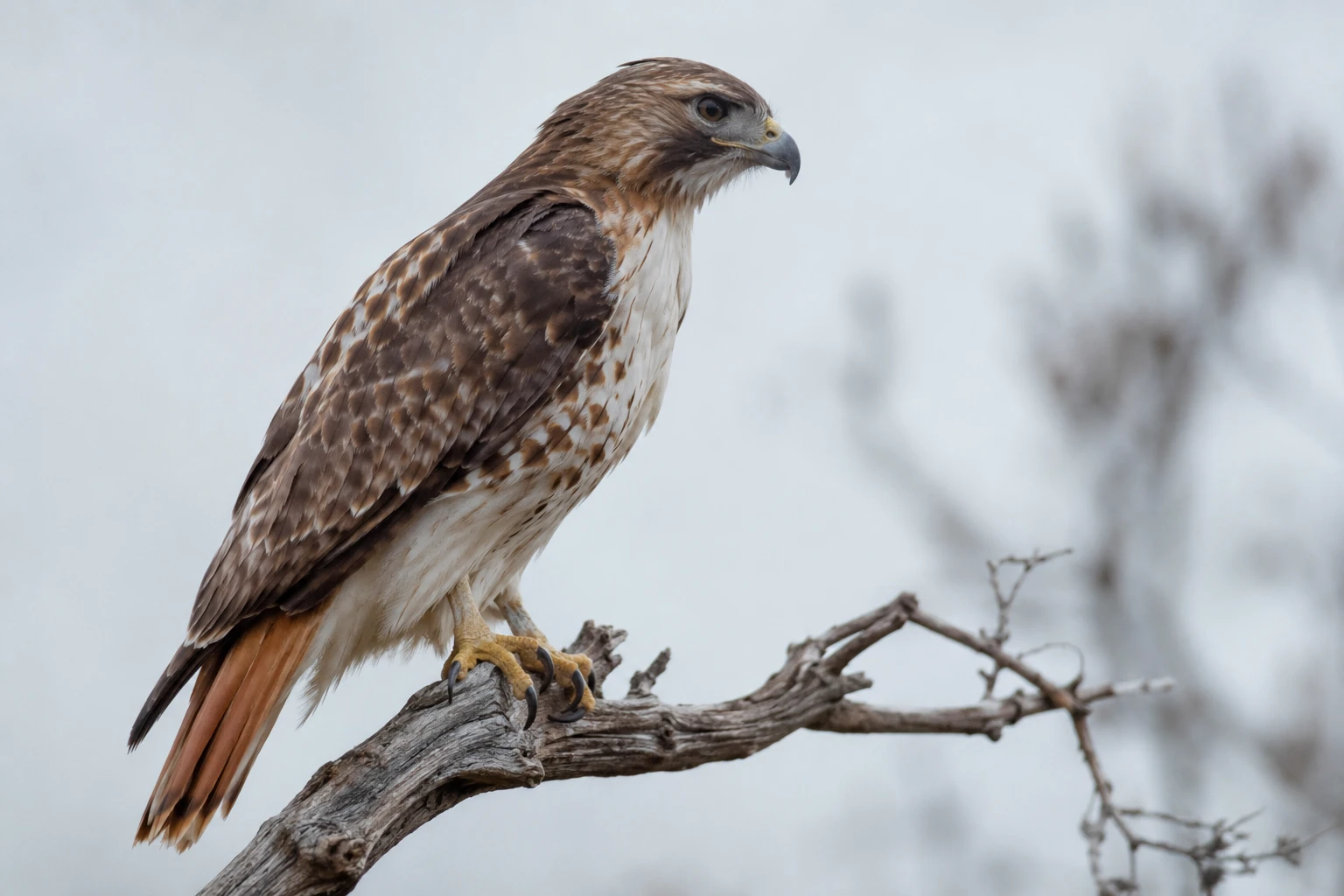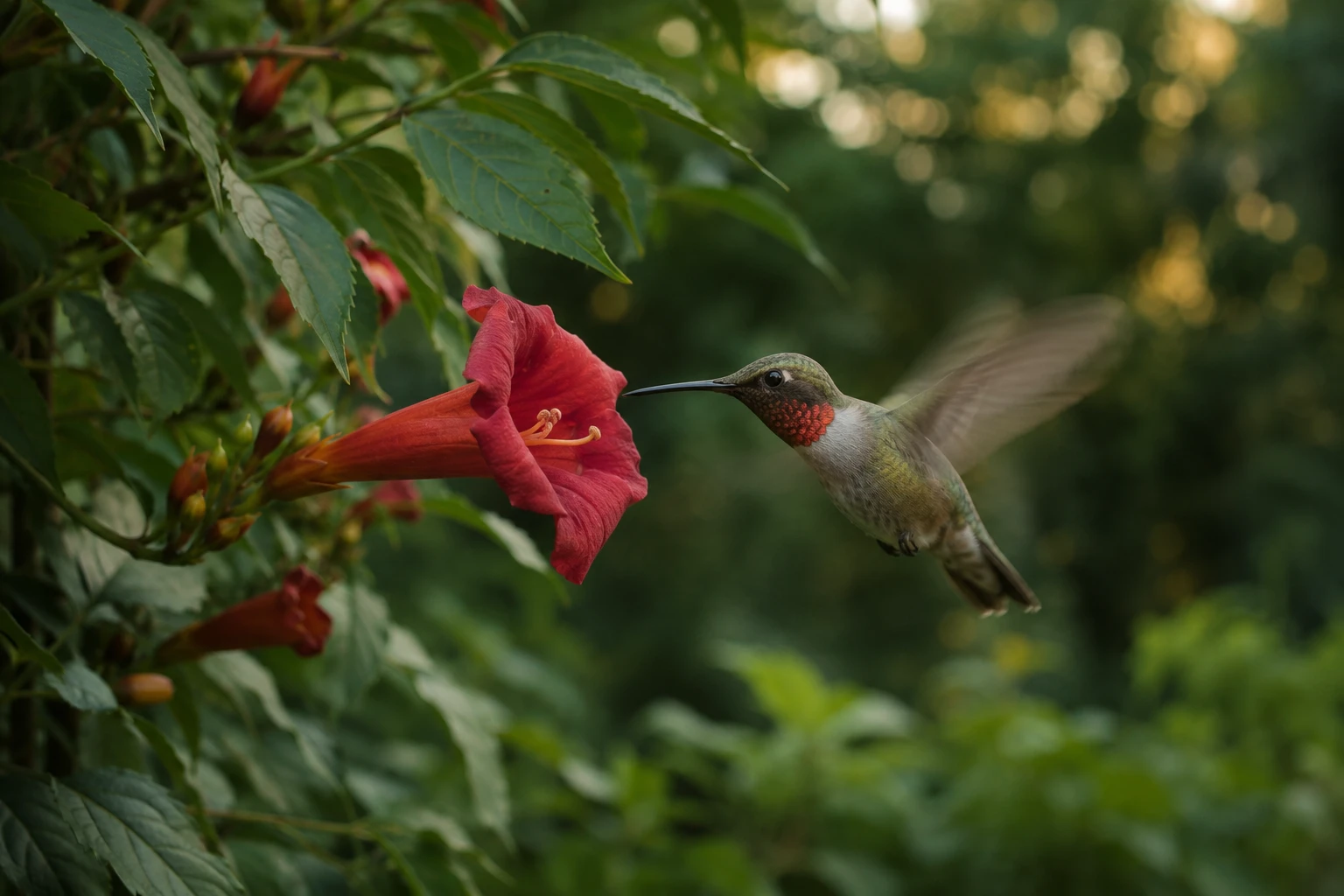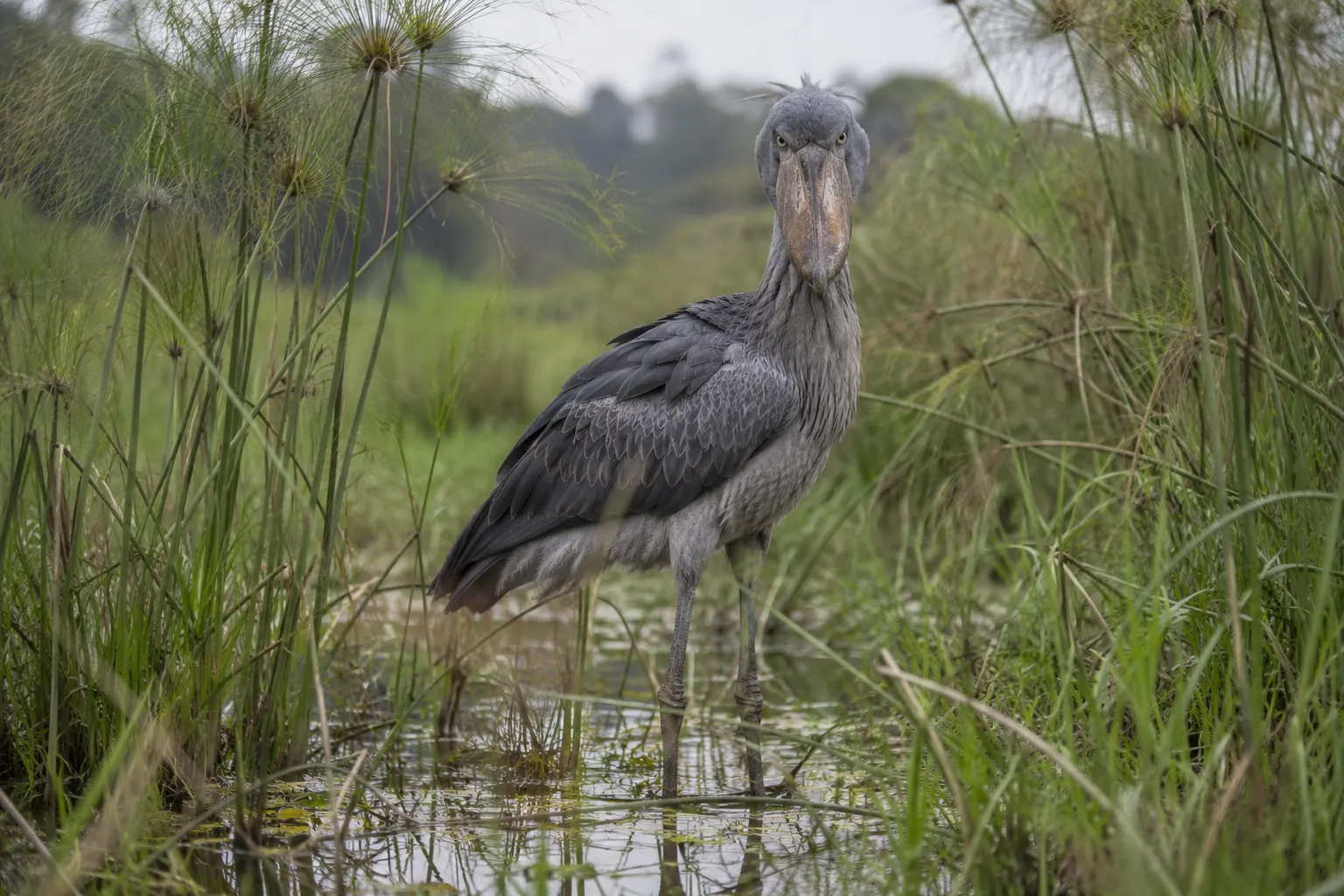
Birds are the living descendants of dinosaurs, and some of them still act like creatures from another world. A few of the facts below sound like playground myths, but each one is backed by field studies or careful measurements.
We've grouped the 25 facts into five themes: bodies and senses, flight, food and hunting, eggs and families, and bird brains. Read them all, then try the five-question quiz at the end.
Quick takeaways
- Some birds stay in the air for months and nap in flight.
- Several species use tools, and crows can recognise human faces.
- Every fact here is real and comes from published research or records.
Facts 1–5
Bodies and senses
An ostrich's eye is bigger than its brain
Each eye is about 5 cm across, the largest of any land animal. Big eyes help it spot predators across the open savanna.
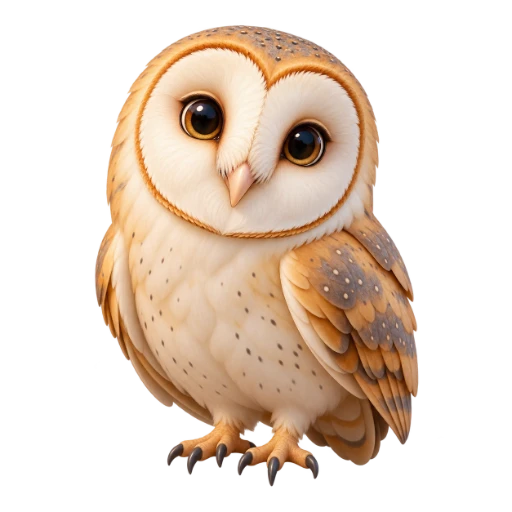
Owls can't move their eyes
An owl's eyes are tube-shaped and fixed in place, so it swivels its head instead, up to about 270 degrees, thanks to extra neck vertebrae and special blood vessels.
Flamingos are pink because of what they eat
Chicks hatch grey or white. Pigments called carotenoids in algae and brine shrimp slowly turn their feathers pink.
Kiwis smell their dinner through the tip of their bill
The kiwi is the only bird with nostrils at the end of its bill, which it pushes into soil to sniff out worms and grubs.
A hummingbird's heart can beat over 1,200 times a minute
To save energy on cold nights, hummingbirds drop into torpor, and their heart rate can fall to a small fraction of that.
Facts 6–10
Flight and travel
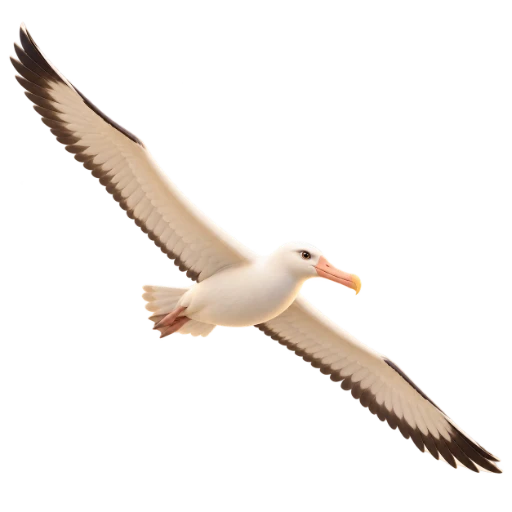
Swifts can stay airborne for 10 months
Tracking studies of common swifts found some barely landed between breeding seasons, eating and even sleeping on the wing.
A godwit flew 13,560 km without stopping
In 2022 a young bar-tailed godwit flew from Alaska to Tasmania in about 11 days, with no food, water or rest.
Arctic terns live in almost endless summer
By flying between the Arctic and Antarctic each year, Arctic terns see more daylight than any other animal.
Frigatebirds nap in mid-air
Brain recordings showed frigatebirds sleep in short bursts while gliding, averaging under an hour of sleep a day at sea.
A vulture was hit by a plane at 11,300 m
In 1973 a Rüppell's vulture collided with an airliner over Côte d'Ivoire, the highest a bird has ever been recorded flying.
Facts 11–15
Food and hunting
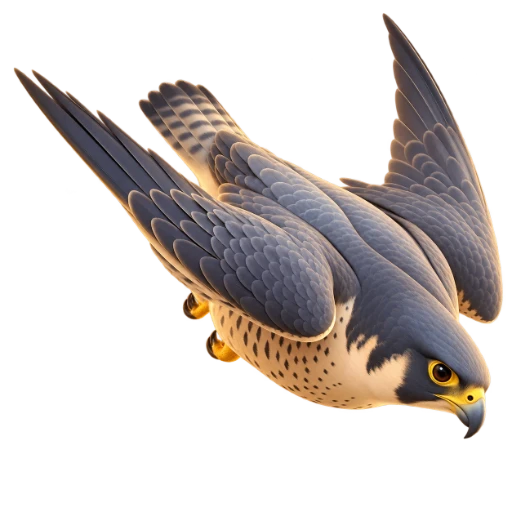
The peregrine falcon is the fastest animal on Earth
In a hunting dive, or stoop, it can pass 300 km/h, faster than any cheetah, fish or other bird.
Bearded vultures live on bones
Bone and marrow make up most of their diet. They drop big bones onto rocks from a height to crack them into swallowable pieces.
Shrikes keep a larder on thorns
Nicknamed butcher birds, shrikes impale insects, lizards and mice on thorns or barbed wire to eat later.
A woodpecker's tongue wraps around its skull
The tongue is supported by long, thin hyoid bones that curl around the back of the skull, so it can shoot far out of the bill.
Burrowing owls farm beetles with dung
They scatter mammal dung around their burrows. The dung attracts dung beetles, which the owls then eat.
Facts 16–20
Eggs, nests and families
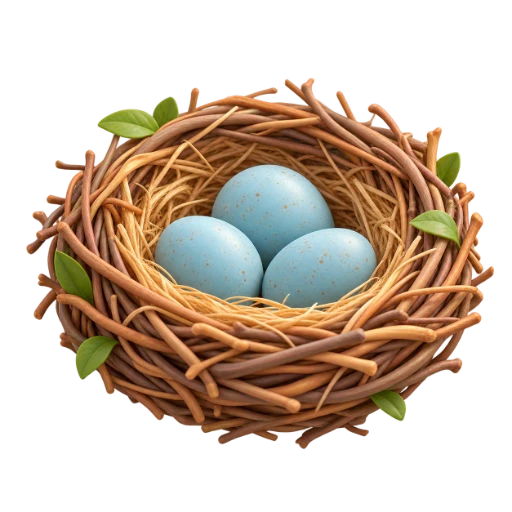
A kiwi's egg is enormous
It can weigh up to about a fifth of the mother's body weight, one of the largest eggs for body size of any bird.
Emperor penguin dads go months without eating
Males balance the egg on their feet for about two months through the Antarctic winter, living off their fat until the chick hatches.
Cuckoo chicks evict their foster siblings
A newly hatched common cuckoo pushes the host's eggs out of the nest, so it gets all the food its foster parents bring.
Pigeons make milk
Both parents produce crop milk, a protein-rich liquid from the lining of the crop, to feed their chicks.
Malleefowl incubate eggs in a compost heap
These Australian birds bury eggs in mounds of rotting leaves and check the heat with their bills, adding or removing material to keep it just right.
Facts 21–25
Bird brains
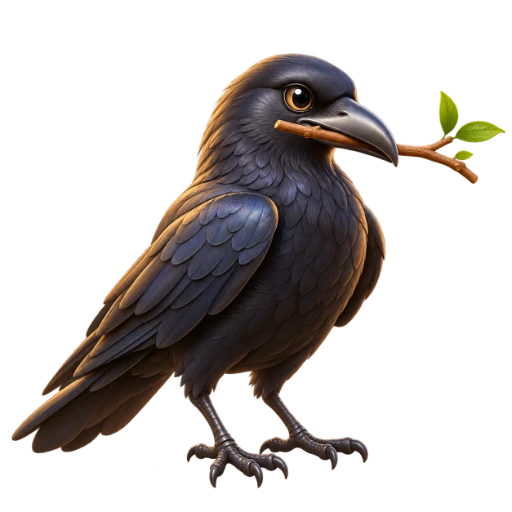
New Caledonian crows make tools
They shape twigs and leaves into hooks to fish grubs out of dead wood, and young crows learn by watching adults.
Crows remember your face
In a long-running study in Seattle, crows scolded people wearing a mask they had linked with danger, years after the event.
Magpies pass the mirror test
Eurasian magpies tried to remove a mark they could only see in a mirror, a sign of self-recognition once thought unique to apes, elephants and dolphins.
Lyrebirds can imitate a chainsaw
Superb lyrebirds copy other birds and sometimes human sounds too, including camera shutters and car alarms.
The hoatzin digests leaves like a cow
It ferments leaves in its large crop, which gives it a manure-like smell and the nickname stinkbird.

Quiz: true facts, tricky choices
Five questions on the facts above. Tap your answer.
0 / 5 answered
1Which bird can stay in the air for up to 10 months?
Answer: Common swift. Common swifts eat, drink and sleep on the wing outside the breeding season.2Why are flamingos pink?
Answer: Pigments in the food they eat. Carotenoid pigments in algae and brine shrimp turn their feathers pink over time.3What do burrowing owls put around their burrows to attract beetles?
Answer: Mammal dung. The dung lures dung beetles, a favourite snack for the owls.4Which bird passed the mirror self-recognition test?
Answer: Eurasian magpie. Magpies tried to remove a mark they could only see in a mirror.5Which part of a woodpecker wraps around its skull?
Answer: The bones supporting its tongue. Long hyoid bones that support the tongue curl around the back of the skull.
Frequently asked questions
What is the most interesting fact about birds?
One favourite is that common swifts can stay in the air for up to 10 months without landing, eating and sleeping on the wing.
Are birds really dinosaurs?
Yes. Birds evolved from small feathered theropod dinosaurs, so scientists class them as living dinosaurs.
Which bird is the smartest?
Crows, ravens and parrots are usually ranked smartest. New Caledonian crows make tools and African grey parrots can learn the meaning of many words.
Do birds sleep while flying?
Some do. Frigatebirds have been recorded sleeping in short bursts while gliding, and swifts are thought to sleep in the air too.
Birds are stranger than fiction
From bone-eating vultures to beetle-farming owls, birds have found surprising ways to survive. The more you learn about them, the more interesting an ordinary walk in the park becomes.
- Share your favourite fact with a friend and see if they believe it.
- Look out for crows and magpies near you. They may already know your face.
- Learn to recognise the birds behind these facts from real photos.
How to investigate an unusual bird claim
Ask which species the claim describes, whether it applies to every bird in that species and what behavior was actually observed. A dramatic headline can leave out season, age or habitat. Compare the claim with a field guide or research-based account before repeating it as a universal rule.
Use the identification clues in Cornell Lab's guide to connect an unusual behavior with the bird's shape and habitat. That makes the fact useful in the field as well as at a quiz night.