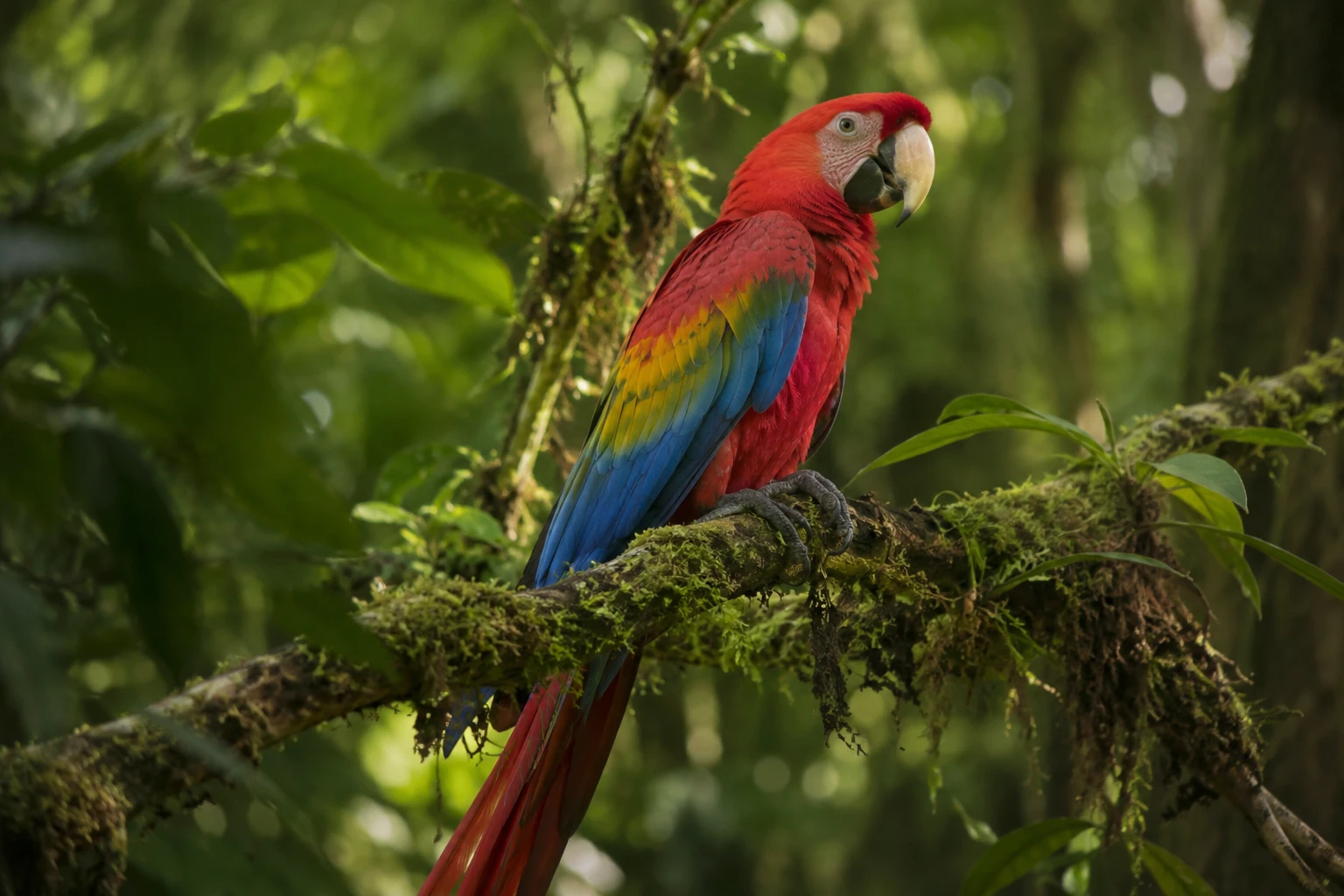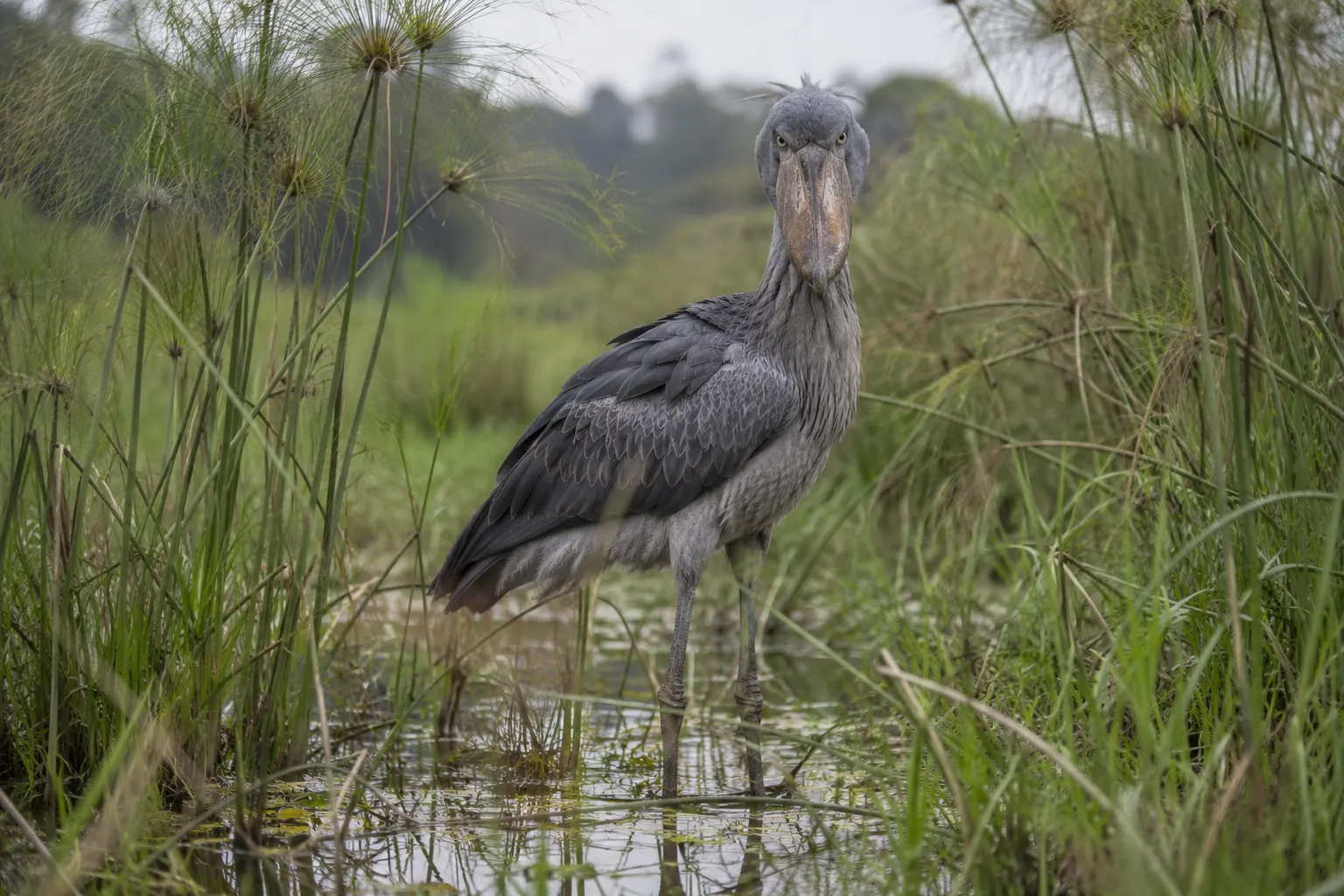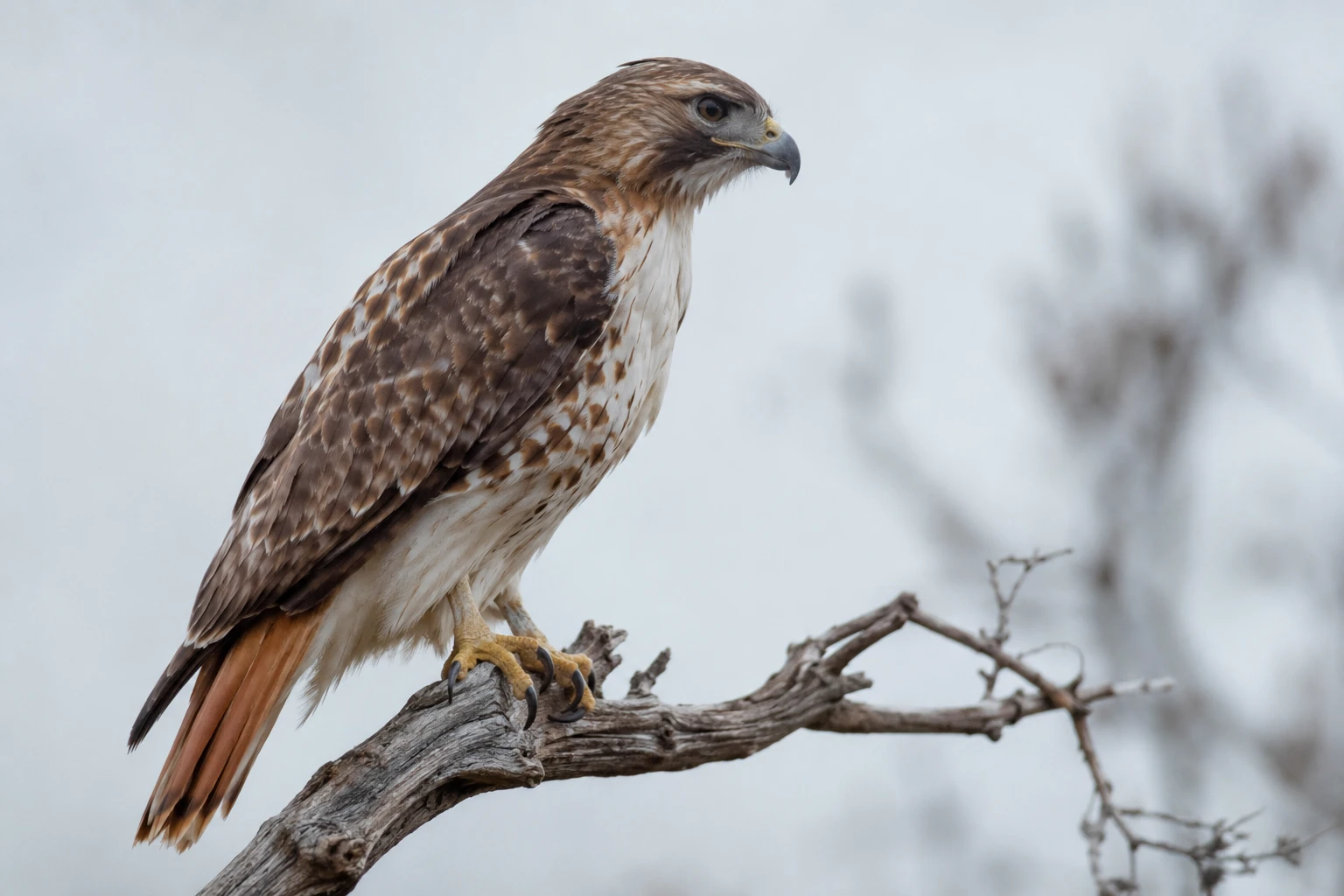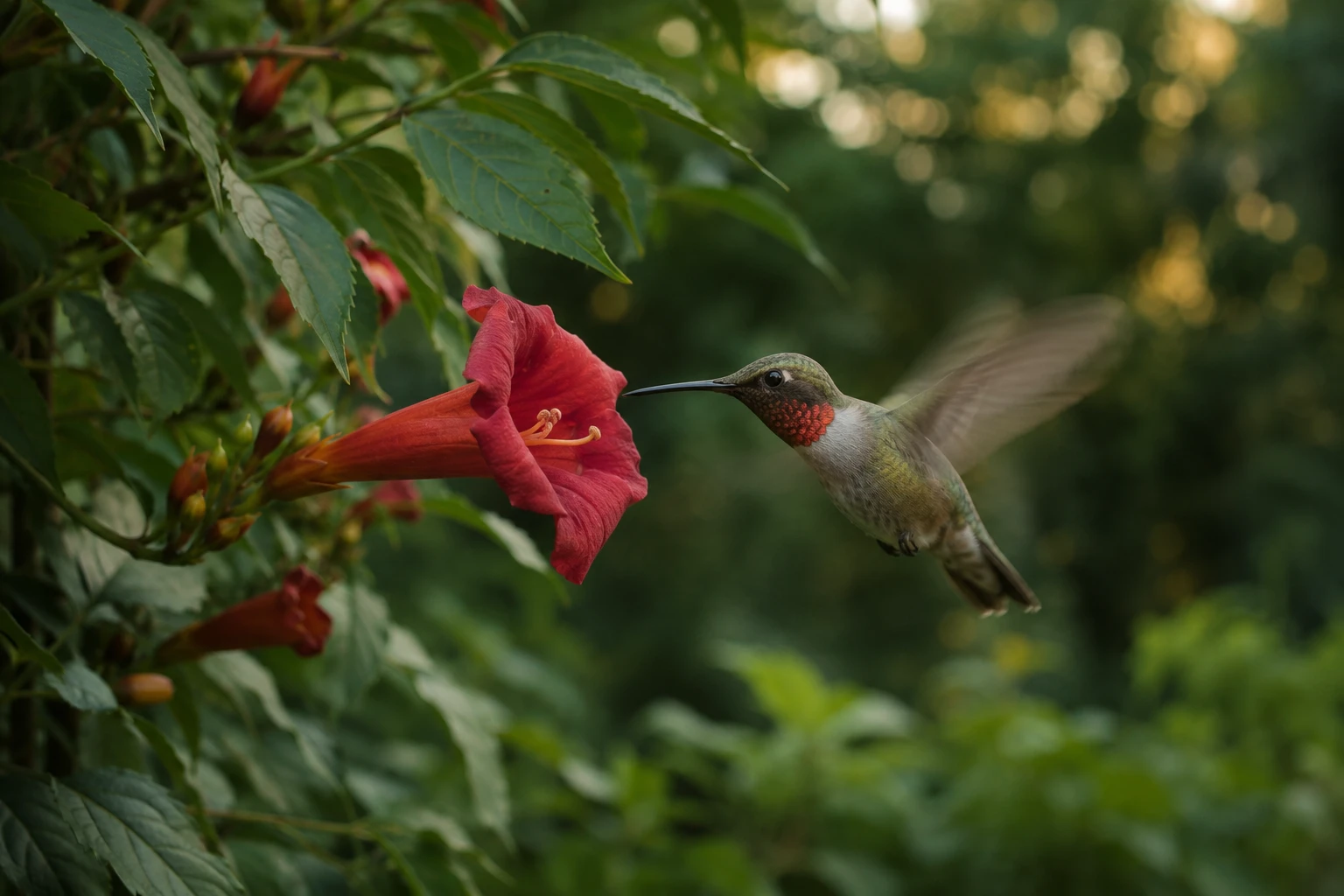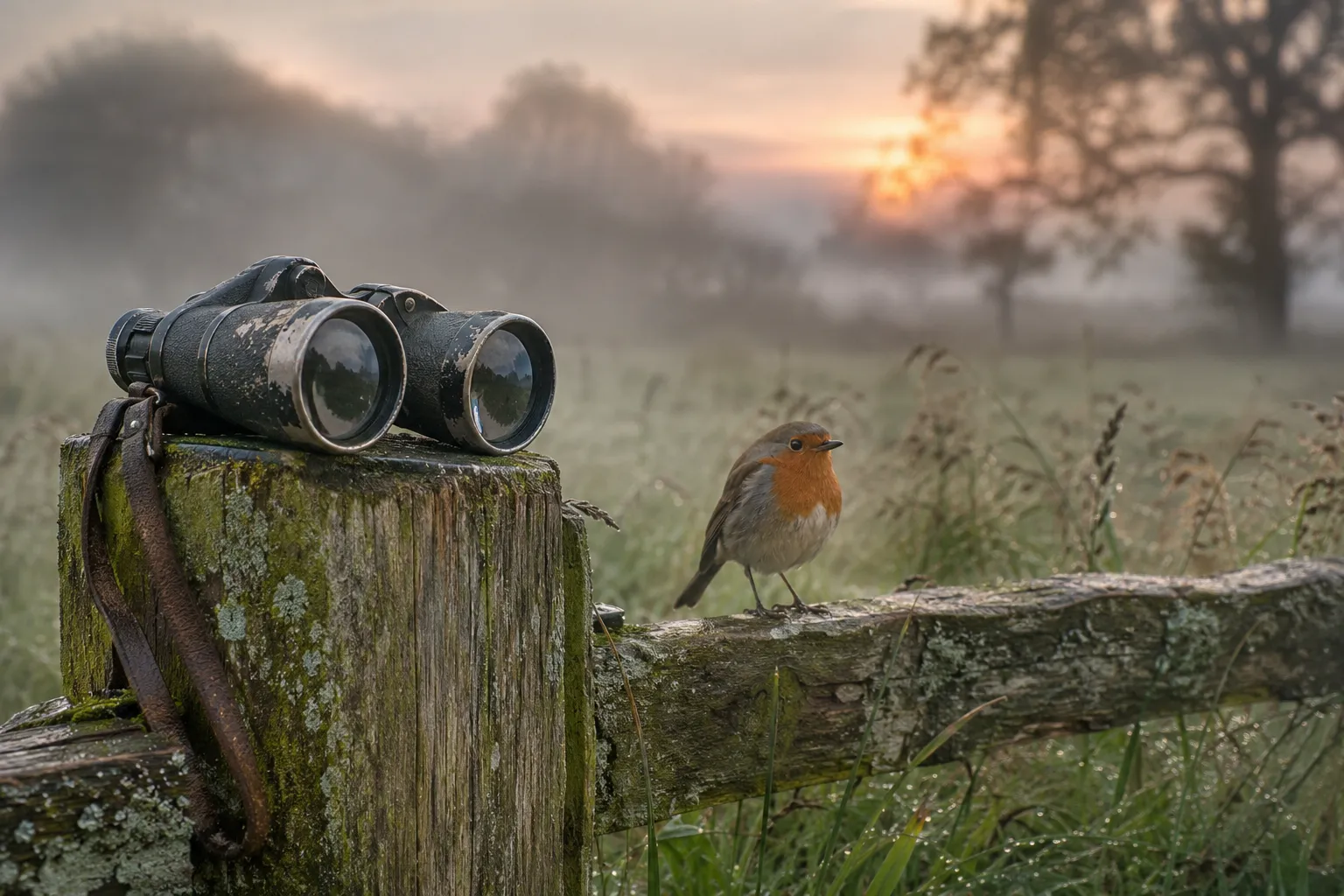
Most people can name a pigeon and a crow, then get stuck. The good news is that bird identification is a skill, not a talent. Birders don't memorise every feather; they check a few clues in the same order every time, and the answer narrows down quickly.
This guide walks you through those clues using birds you're likely to see in gardens, parks and cities around the world, such as sparrows, robins, mynas, pigeons, tits and woodpeckers. Learn the method once and it works anywhere.
Quick takeaways
- Start with size and shape before colour. They narrow the options fastest.
- The bill tells you what a bird eats, which tells you its family.
- Behaviour, habitat and sound often settle tricky lookalikes.
Clue 1
Start with size and shape
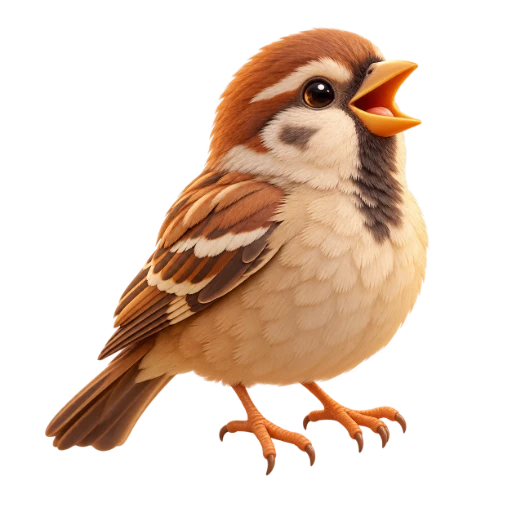
Colour changes with light, season and age, but size and shape stay the same. Compare any new bird with three you already know: a sparrow (small), a pigeon (medium) and a crow (large).
Then look at the outline. Is the body plump or slim? Is the tail long, short, forked or fanned? Are the legs long like a heron's or short like a sparrow's? Birders call this overall impression jizz, and with practice it can identify a bird from a silhouette alone.
- Sparrow-sized and chunky with a short tail: likely a sparrow, finch or bunting.
- Pigeon-sized with a long tail: could be a magpie, cuckoo or parakeet.
- Long legs and a long neck: herons, egrets, storks and cranes.
Clue 2
Read the bill
A bird's bill is a tool shaped by its diet, so it points straight to the bird's family.
| Bill shape | What it's for | Typical birds |
|---|---|---|
| Short, thick cone | Cracking seeds | Sparrows, finches, cardinals |
| Thin and pointed | Picking insects | Warblers, wrens, tits |
| Hooked tip | Tearing meat | Eagles, hawks, falcons, owls |
| Strong chisel | Drilling wood | Woodpeckers |
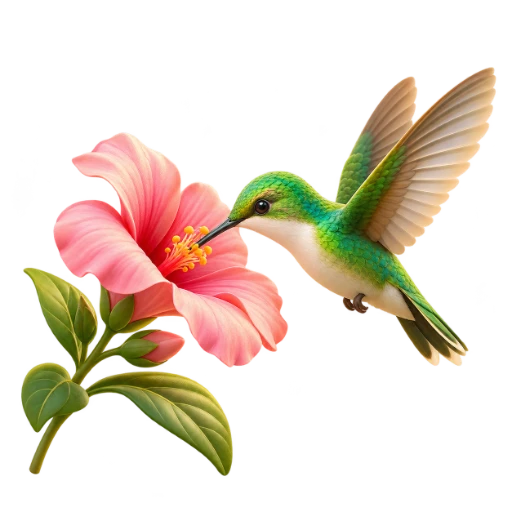
| Long thin tube | Sipping nectar | Hummingbirds, sunbirds |
| Flat and wide | Filtering water | Ducks, geese, swans |
| Long dagger | Spearing fish | Herons, kingfishers |
Clue 3
Look for field marks
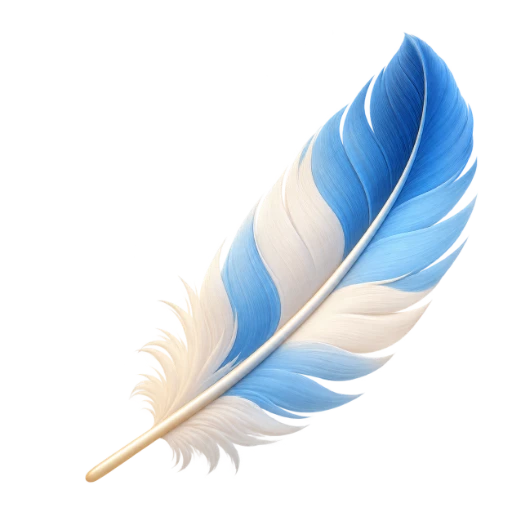
Field marks are the small patterns that separate similar birds. Instead of trying to take in every colour, look at the head, the wings and the tail in that order.
- Head: is there an eye-ring, an eyebrow stripe, a crest or a cap?
- Wings: look for wing bars (pale stripes across the folded wing) or a coloured patch.
- Tail: note white outer feathers, bands or a notch, which often flash as the bird flies away.
- Underparts: are they plain, streaked or spotted?
Tip: Say the field marks out loud or jot them down before checking a guide. It's easy to forget details once the bird flies off.
Clue 4
Watch how it behaves
How a bird moves can be as distinctive as how it looks, and you can often see behaviour even when the light is too poor for colour.
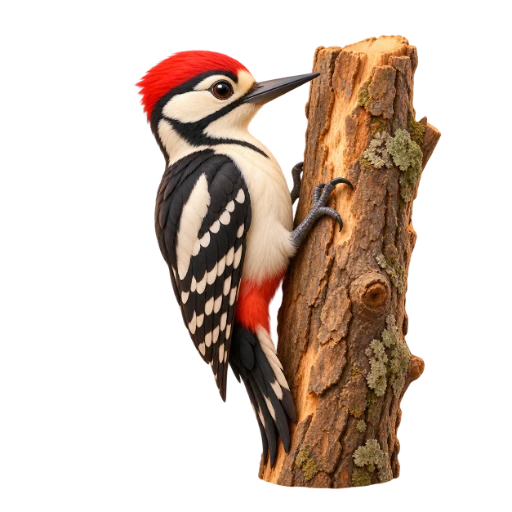
- Woodpeckers fly in a bouncy, up-and-down path and cling upright to tree trunks.
- Nuthatches are among the few birds that climb down tree trunks head first.
- Wagtails constantly pump their long tails up and down.
- Kestrels hover in one spot over grassland while hunting.
- Thrushes and robins run, stop, tilt their heads and then pounce on worms.

Clue 5
Check the habitat and season
Birds are picky about where they live. A duck-like bird on a city pond is probably a mallard; the same shape out at sea could be a scoter or eider. Season matters too: many birds migrate, so some species only appear in summer or winter.
Location also decides which lookalikes are possible. The European robin and the American robin share a name but are not closely related: one is a small orange-breasted chat, the other a big thrush. Knowing where you are rules out half the field guide.
Clue 6
Learn to listen
You'll often hear a bird long before you see it. Birders use simple memory phrases to remember songs.
- Barred owl (North America): 'Who cooks for you? Who cooks for you all?'
- Great tit (Europe and Asia): a ringing 'tea-cher, tea-cher'.
- Common cuckoo: its own name, 'cuck-oo'.
- Asian koel (South Asia): a rising 'ko-el, ko-el' that gets louder and faster.
Tip: Learn the songs of the five most common birds near your home first. Once they are familiar, any new sound stands out.
Next steps
Gear and practice that help
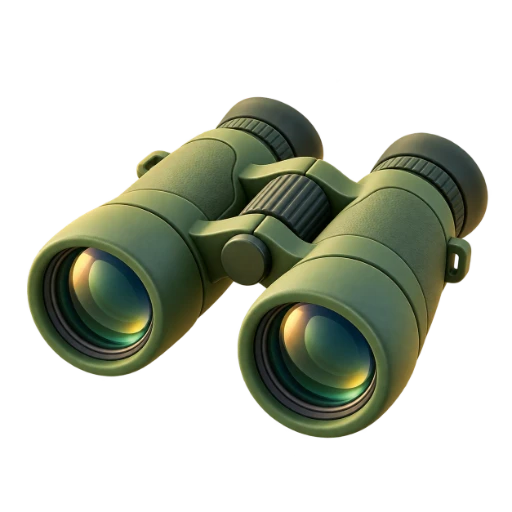
You can start with nothing but your eyes. When you're ready, a pair of 8×42 binoculars is a popular all-round choice: enough zoom to see detail and a wide, bright view that's easy to keep on a moving bird. A regional field guide or app helps you check what you saw.
The fastest way to improve is short, regular practice. Spend five minutes a day looking at photos of common birds and naming them. Your brain builds a mental picture of each species, and soon you'll recognise them at a glance in the real world.
Quiz: think like a birder
Use the clues from this guide to answer five quick questions.
0 / 5 answered
1A small bird has a short, thick, cone-shaped bill. What does it most likely eat?
Answer: Seeds. Cone-shaped bills are built for cracking seeds, as in sparrows and finches.2Which bird often climbs down tree trunks head first?
Answer: Nuthatch. Nuthatches are one of the few birds that walk head first down trunks. Woodpeckers climb upwards.3What is a wing bar?
Answer: A pale stripe across the folded wing. Wing bars are pale stripes formed by feather tips, a handy field mark.4Why should you check size and shape before colour?
Answer: Size and shape don't change with light or season. Colour shifts with lighting, season and age, but a bird's size and outline stay the same.5A bird hovers in one spot over a field, then drops to the ground. What could it be?
Answer: Kestrel. Kestrels are known for hovering while they scan the ground for prey.
Frequently asked questions
What is the easiest way to identify a bird?
Note its size compared with a sparrow, pigeon or crow, then its shape and bill. Those three clues usually narrow it to one family, and field marks such as wing bars or eye-rings settle the species.
What are field marks in birding?
Field marks are features that set a species apart, such as wing bars, eye-rings, eyebrow stripes, tail patterns and breast streaks.
What binoculars are best for beginner birdwatchers?
Many birders recommend 8×42 binoculars as a first pair. 8× magnification gives a steady, wide view and 42 mm lenses let in plenty of light.
How long does it take to learn bird identification?
Most beginners can confidently name the 20 most common birds near home within a few weeks of regular practice. Looking at photos for a few minutes a day speeds this up a lot.
Your first ten birds
Pick the ten birds you see most often near your home and learn them well: size, shape, bill, field marks, behaviour and call. With those as anchors, every new bird is easier, because you'll instantly know what it's similar to and what's different.
- Go outside for ten minutes and note the size and shape of every bird you see.
- Look up one new field mark a day.
- Practise naming birds from photos until common species feel automatic.
A five-minute bird identification practice
Pick one bird and note its approximate size, silhouette, bill, dominant markings, movement and habitat before opening an identification app. Write down one feature you are sure of and one that you need a better view to confirm. This keeps a single color flash from deciding the whole identification.
Cornell Lab's four keys are size and shape, color pattern, behavior and habitat. Try comparing two similar species against all four keys rather than looking for one perfect photograph.