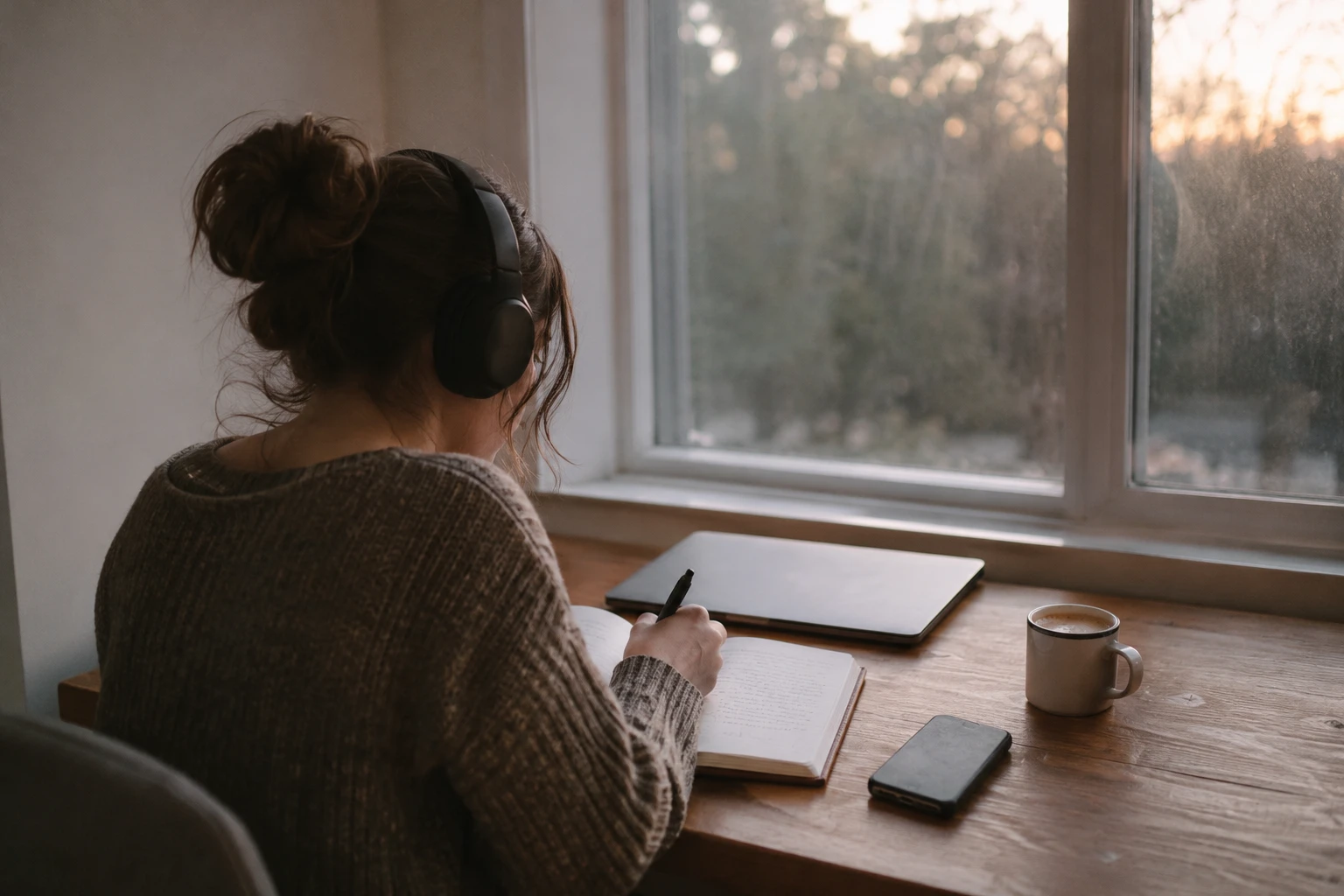
Deep work is the skill of focusing without distraction on cognitively demanding tasks. In a world filled with constant notifications, infinite browsing, and subtle interruptions, deep work has become both rare and incredibly valuable.
For beginners, deep work is not about chasing perfection. It is about slowly training your brain to remain in a task long enough to enter a state of sustained concentration. With the right structure, nearly anyone can develop this ability.
The goal is to reduce the mental friction that prevents you from starting. Once a session begins, most people discover that concentrating is far easier than they expected.
Why Deep Work Matters More Than Ever
Modern work environments reward quick replies and constant availability, but these habits erode your ability to produce meaningful output. Deep work protects your attention from fragmentation.
The value of work that cannot be automated continues to increase. Skills like writing, engineering, design, and strategy depend on sustained concentration, not constant multitasking.
- Deep work produces high-value output in less time.
- It reduces burnout by creating meaningful engagement.
- It gives you a competitive advantage in any career.
How Beginners Can Start Deep Work
You don’t begin with 2-hour sessions. You start with 15 minutes of uninterrupted focus. The brain adapts quickly, and with consistency, the duration expands naturally.
Environmental cues like a dedicated workspace, headphones, or a specific playlist tell your brain it’s time to focus.
- Start with short sessions.
- Use environment as a cue.
- Track your daily focus streaks.
“Clarity and focus don't always come naturally—you must train your mind to find them.”
Putting it into practice
Deep work is a learnable skill. With the right approach, even beginners can transform their productivity by simply protecting their attention. Consistency matters far more than intensity.
- Begin with 15-minute sessions.
- Remove one major distraction from your workspace.
- Plan your deep work session the night before.