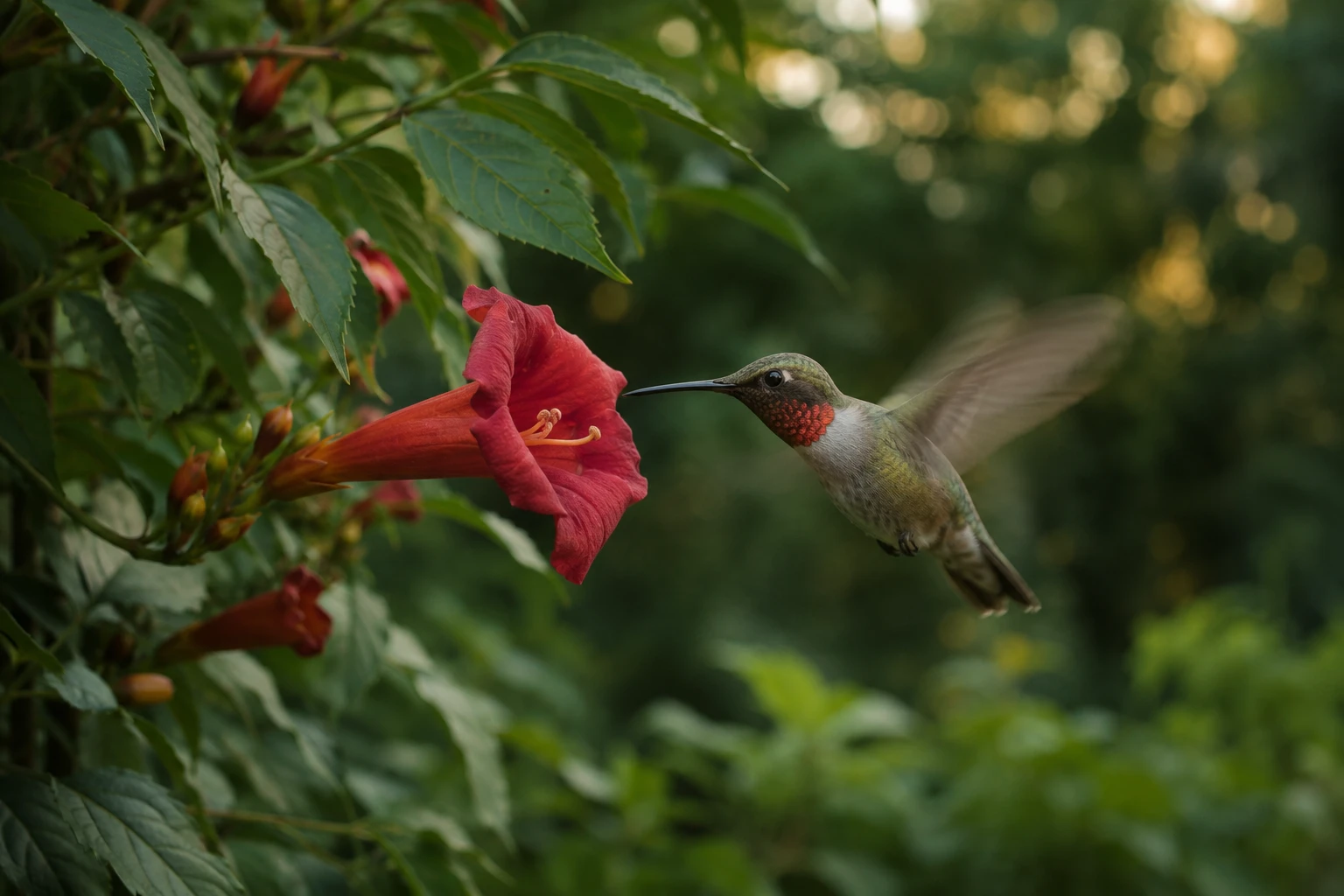
Birds hold some of the most extreme records in the animal kingdom. The fastest animal alive is a bird, and so is the animal with the longest yearly migration. Some birds fly higher than Mount Everest, and one wild albatross was still raising chicks in her seventies.
Here are the record holders in seven categories: speed, size, smallness, migration, altitude, diving and age. Figures come from published studies and long-standing records; where measurements vary, we give the commonly accepted value.
Quick takeaways
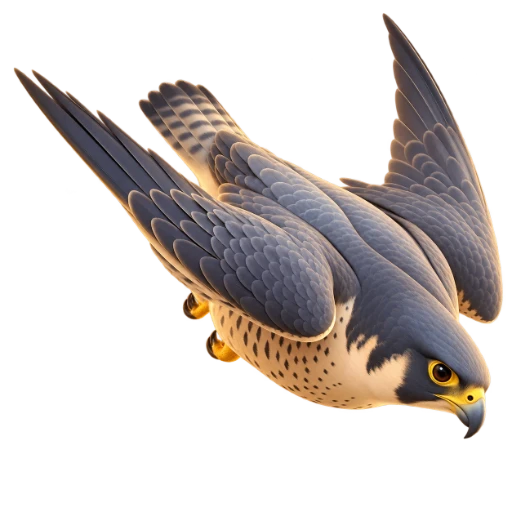
- Fastest: the peregrine falcon, with a dive measured at about 389 km/h.
- Biggest: the ostrich. Smallest: the bee hummingbird.
- Longest migration: the Arctic tern. Longest non-stop flight: the bar-tailed godwit.
Speed
Fastest birds
The peregrine falcon is the fastest animal on Earth. In a steep hunting dive called a stoop, one was measured at about 389 km/h (242 mph). It folds its wings tight to its body and turns into a living missile.
Speed in level, flapping flight is much harder to measure. One of the fastest reliably clocked is the common swift, recorded at about 112 km/h (70 mph) during its screaming display flights.
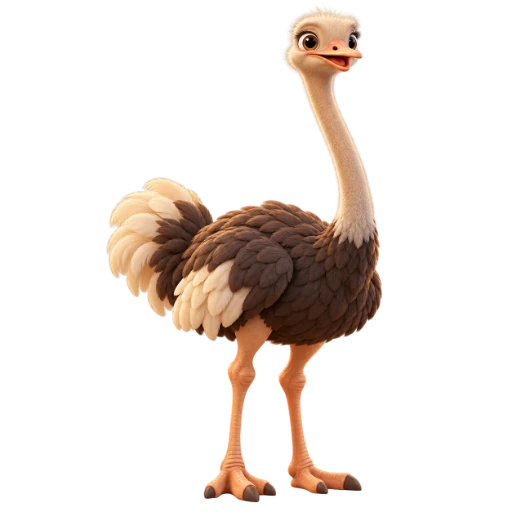
- Fastest runner: the ostrich, at around 70 km/h (43 mph).
- Fastest swimmer: the gentoo penguin, at about 36 km/h (22 mph) underwater.
- Fastest wingbeats: hummingbirds, with some species beating their wings about 80 times a second.
Size
Biggest birds
The common ostrich is the largest living bird. Males can stand about 2.7 m (9 ft) tall and weigh up to about 145 kg (320 lb). It also lays the largest egg, about 15 cm long and around 1.4 kg, the weight of about two dozen hen's eggs.
The wandering albatross has the largest wingspan of any living bird, with the record bird measuring about 3.63 m (11 ft 11 in) from tip to tip. Among birds that can fly, the heaviest include the great bustard and kori bustard, with big males reaching around 18 to 20 kg.

Size
Smallest birds
The bee hummingbird of Cuba is the smallest bird in the world. It measures about 5 to 6 cm long and weighs around 2 g, less than a sheet of paper, and its nest is about the size of a thimble.
The smallest bird egg belongs to the vervain hummingbird of Jamaica and Hispaniola, at about 1 cm long and under half a gram. That's roughly 4,000 times lighter than an ostrich egg.
Distance
Longest migrations
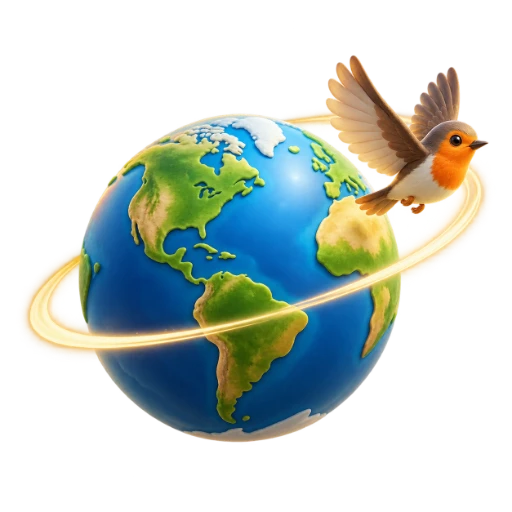
The Arctic tern makes the longest yearly migration of any animal. It breeds in the Arctic and spends the northern winter off Antarctica, zigzagging across the oceans to follow winds. Tracked birds have flown up to about 90,000 km in a year. Over a lifetime of 30 years, that adds up to the distance to the Moon and back three times.
The record for the longest non-stop flight belongs to the bar-tailed godwit. In 2022 a five-month-old bird fitted with a satellite tag flew about 13,560 km from Alaska to Tasmania in 11 days, without landing, eating or drinking.
Altitude
Highest fliers
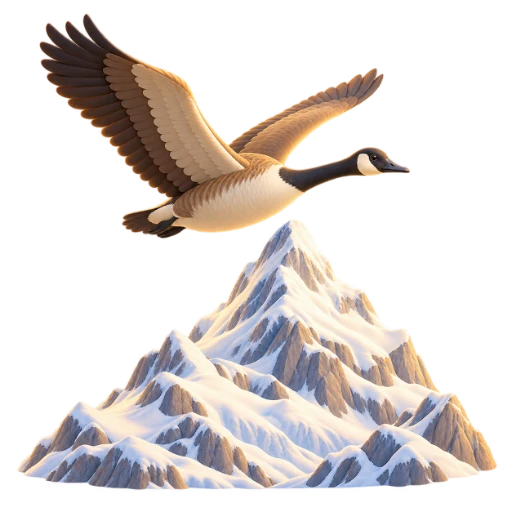
The highest bird ever recorded was a Rüppell's vulture that collided with an airliner at about 11,300 m (37,000 ft) over Côte d'Ivoire in 1973, higher than the summit of Mount Everest.
Bar-headed geese are famous for migrating over the Himalayas. Most cross through high passes, but one tracked goose reached about 7,290 m. Their blood carries oxygen unusually well, which lets them flap hard in thin air.
Diving
Deepest divers
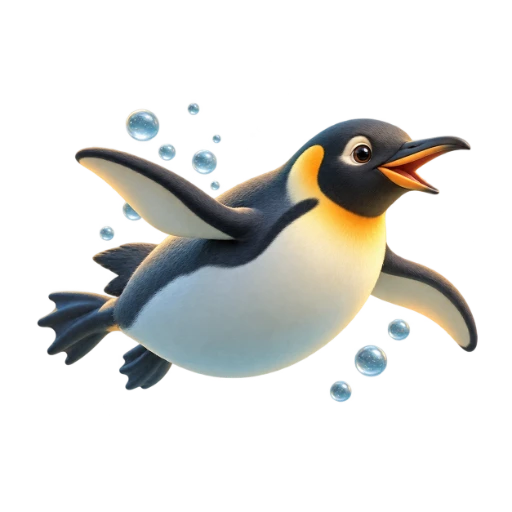
The emperor penguin is the deepest-diving bird. It has been recorded diving more than 500 m deep and holding its breath for over 30 minutes while hunting fish and squid. Its heart slows sharply during dives to save oxygen.
Age
Oldest wild bird
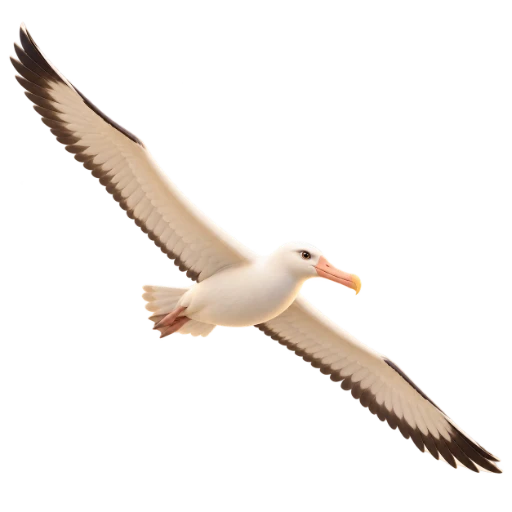
The oldest known wild bird is Wisdom, a Laysan albatross on Midway Atoll in the Pacific. Scientists first put a ring on her leg in 1956, when she was already an adult, so she is thought to be in her seventies. She has raised many chicks and was still laying eggs in the 2020s.
Large seabirds such as albatrosses and shearwaters often live for decades. Small songbirds typically live only a few years in the wild.

Quiz: record breakers
How many bird records can you remember? Tap your answers.
0 / 5 answered
1What is the fastest bird in a dive?
Answer: Peregrine falcon. The peregrine falcon's stoop has been measured at about 389 km/h.2Which bird lays the largest egg?
Answer: Ostrich. An ostrich egg weighs around 1.4 kg, the largest of any living bird.3How far did a bar-tailed godwit fly non-stop in 2022?
Answer: About 13,560 km. It flew about 13,560 km from Alaska to Tasmania in 11 days without landing.4Which is the smallest bird in the world?
Answer: Bee hummingbird. The bee hummingbird of Cuba weighs about 2 g.5Which bird has been recorded diving deeper than 500 m?
Answer: Emperor penguin. Emperor penguins can dive past 500 m and hold their breath for over half an hour.
Frequently asked questions
What is the fastest bird in the world?
The peregrine falcon. In a hunting dive it has been measured at about 389 km/h (242 mph), making it the fastest animal on Earth.
What is the biggest bird in the world?
The common ostrich, which can stand about 2.7 m tall and weigh up to about 145 kg. The wandering albatross has the largest wingspan, at up to about 3.6 m.
Which bird has the longest migration?
The Arctic tern, which flies from the Arctic to Antarctica and back every year, covering up to about 90,000 km.
What is the oldest bird ever recorded in the wild?
Wisdom, a Laysan albatross on Midway Atoll, first ringed in 1956 and thought to be in her seventies.
Records that keep getting broken
Many of these records were only measured in the last 20 years, thanks to tiny satellite tags and data loggers. As tracking gear gets smaller, expect birds to surprise us with even longer flights and deeper dives.
- Quiz your friends: most people guess the cheetah, not the peregrine, as the fastest animal.
- Look up which record holders visit your country.
- Learn to recognise these record breakers from photos.
Read a bird record with its measurement attached
A record is only meaningful when you know what was measured: a dive rather than level flight, wingspan rather than body length, or a nonstop flight rather than total migration distance. Note the species, unit and observation method before comparing two record holders.
Migration varies across species and routes. Cornell Lab's migration overview gives context for why distance, timing and travel conditions matter when reading a headline about a record journey.